Ohio Winter Road Riding Rules
Winter riding on Ohio's roads with your all-purpose vehicle (APV), whether it's an ATV or a UTV, can feel like navigating a maze. As the temperatures drop, snow begins to fall, and ice becomes a real concern, many riders are left wondering if the rules for road use change. It's a valid frustration, as the cold weather often brings unique challenges that make you question everything you thought you knew about legality and safety. This guide aims to clear up all that confusion, offering a comprehensive look at what Ohio law says about riding your APV on public roads during the colder, snowier months, and how to stay safe and legal.
Understanding Ohio's Baseline Road Rules for APVs in Winter
Let's cut right to the chase: the fundamental rules governing APV road use in Ohio don't magically change when the calendar flips to December or when the first snowflake graces the ground. While the conditions outside are certainly different, the legal framework remains firmly in place. This means that all the usual requirements for where you can ride, what equipment your machine needs, and who can operate it are still just as applicable in the dead of winter as they are on a sunny summer day.
The General Rules Don't Change with the Season
One of the biggest misconceptions I hear from riders is that a snow-covered road somehow becomes a free-for-all for ATVs and UTVs. I get it, the allure of fresh powder on a quiet country lane can be incredibly tempting! However, this simply isn't the case in Ohio. The decision to open a specific county or township road to APV traffic rests entirely with the local authorities—your county commissioners or township trustees. These bodies must pass a specific resolution or ordinance to permit APV use on designated roads. Without such a resolution, those roads remain off-limits, no matter how much snow has fallen.
This means if you're riding a county road that hasn't been officially opened to APVs, you're risking a citation, even if it looks like a winter wonderland. It’s critical to remember that state routes and interstate highways are always off-limits to APVs, regardless of the season or local ordinances. These are critical safety points, and they don't get a winter waiver. For a deeper dive into these local rules, you can check out [Ohio Rules for Riding a County Road] and [Ohio Rules for Riding a Township Road]. These resources explain how the process works and why it's so important to know the lay of the land, even when it's covered in white.
Equipment and Safety Requirements Regardless of Weather
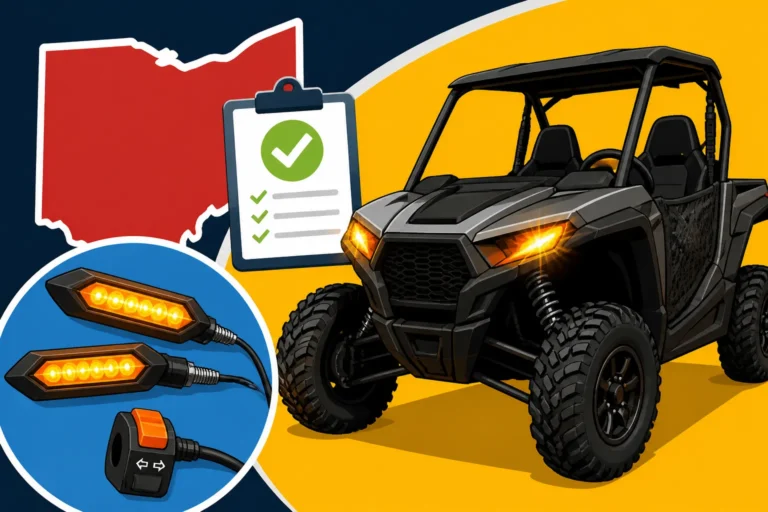
Just like the rules for where you can ride, the rules for what your machine needs to be road-legal in Ohio also hold true through the winter. This isn't just about avoiding a ticket; it's about genuine safety, especially when conditions are already challenging. Your APV must have fully functional headlights, taillights, and brake lights. A working horn is also essential for signaling your presence to other vehicles, which is even more critical when visibility might be reduced by snow or fog. For UTVs specifically, the law requires turn signals and mirrors if you plan to hit the open road.
Remember, UTVs seeking to become road-legal in Ohio also need to pass a specific inspection that covers these equipment requirements, among others. There's no separate inspection for winter; it's the same process year-round. This critical step ensures your machine meets the necessary safety standards. You can find more detailed information on this process by looking into [Ohio UTV Inspection Requirements]. ATVs, on the other hand, typically don't face this inspection requirement, though they still need to meet general equipment standards. Beyond the machine itself, rider safety remains paramount. If you or your passenger are under 18, you must wear a DOT-compliant helmet. Eye protection is required for all riders, regardless of age. For more on these rules, check out [Ohio Helmet Law for APV Riders]. And, of course, to legally operate an APV on any public road in Ohio, you'll need a valid driver's license and proof of liability insurance. Don't leave home without them! [Ohio Driver's License Rules for APVs] and [Ohio APV Insurance Requirement] explain these necessities in detail.
Navigating Snow and Ice: Specific Considerations for Winter Riding
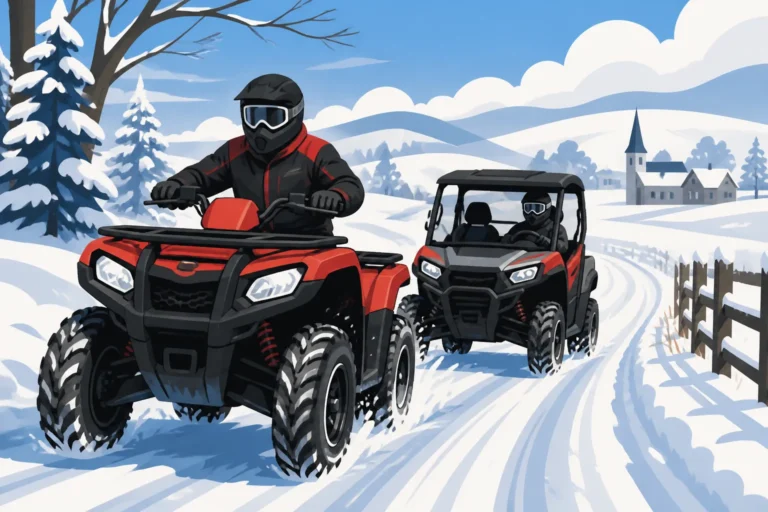
While the legal framework might stay the same, the actual experience of riding on Ohio roads in winter is dramatically different. Snow, ice, slush, and colder temperatures introduce a whole new set of challenges that demand extra caution and preparation. Ignoring these unique winter factors isn't just uncomfortable; it can be downright dangerous.
How Snow-Covered Roads Affect Riding Privileges
It bears repeating: a snow-covered road doesn't automatically grant you permission to ride your APV there if it wasn't already open to such vehicles. That quiet, picturesque blanket of snow over your favorite backroad might seem like an invitation, but legally, it changes nothing. If the township trustees haven't passed a resolution allowing APVs on that road, it remains illegal to ride there, even with a foot of fresh powder. Law enforcement officers aren't going to turn a blind eye just because it's cold.
However, if you're on a road that is legally open to APVs, then you can ride it in the snow, within the bounds of safety and common sense. This is where personal judgment comes into play. Just because you can doesn't always mean you should. Snow depth can hide unexpected obstacles like potholes, large rocks, or even fallen branches. The packed snow can quickly turn into treacherous ice, especially in shaded areas or after dark. Your machine's handling will be significantly different, and you'll need to adjust your speed and riding style accordingly. It’s crucial to understand these nuances.
Traction, Tires, and Safety in Slippery Conditions
Riding on snow and ice demands a completely different approach to traction. Your standard all-terrain tires, while great for dirt and mud, might not offer the grip you need on slippery, frozen surfaces. This is where specialized tires or other traction aids can make a real difference. While specific regulations on studded tires for APVs on Ohio roads can be complex and are often geared towards full-sized vehicles, it's worth exploring options that enhance grip without compromising safety or legality. Some riders choose tires with aggressive siping or softer rubber compounds designed for colder temperatures. Always double-check local and state laws regarding tire modifications for road use, especially if you're considering studs. For more about this, look up [Studded Tires on Ohio Ice].
Beyond your tires, your riding technique needs a serious overhaul. Reduce your speed significantly. Any sudden movements—hard braking, aggressive acceleration, or sharp turns—can easily lead to a loss of control. Use smooth, deliberate inputs. Remember that stopping distances on snow and ice are dramatically longer than on dry pavement. Leave ample space between you and any other vehicles. Black ice, a nearly invisible layer of ice, is particularly dangerous. It can form even when temperatures are above freezing, especially on bridges and overpasses. Slush, while it might seem less intimidating, can also cause your machine to hydroplane, leading to a sudden loss of steering. Take your time, stay alert, and prioritize safety over speed.
Visibility Challenges in Winter Weather
Winter in Ohio means shorter daylight hours, often accompanied by overcast skies, fog, or falling snow. All these factors severely reduce visibility, making it harder for you to see and for other drivers to see you. During the day, the sun's lower angle can create blinding glare off snow or wet roads. As night falls early, your ride will likely take place in darkness, increasing the inherent risks.
Ensure all your APV's lights are clean and fully functional. A dirty headlight or taillight covered in road grime or slush won't do you any good. Consider upgrading your lighting with brighter, more focused options. Brands like SuperATV offer excellent aftermarket LED light bars and auxiliary lights that can dramatically improve your visibility, both for seeing where you're going and for being seen by others. Additionally, wearing brightly colored outerwear, especially reflective gear, is absolutely essential. Even during daylight, wearing blaze orange or neon green can make you stand out against a snowy backdrop. The colder temperatures can also affect a rider's focus and reaction time. If you're looking to upgrade your UTV with a full cab enclosure or a more robust windshield to keep the winter chill out, options from companies like SuperATV can make a huge difference in comfort and therefore your ability to ride safely and stay alert. Heated grips and thumb warmers are also not just luxuries; they help maintain dexterity, which is crucial for safe operation.
The Finer Points: Local Ordinances and Enforcement During Winter
Riding an APV on Ohio roads in winter isn't just about dealing with the weather; it's also about understanding the specific legal landscape and realizing that enforcement doesn't take a holiday. You're still accountable for knowing and following the rules.
Verifying Open Roads: It's Still Your Responsibility
I can't stress this enough: the responsibility to know which roads are legally open to APVs in Ohio rests squarely on your shoulders. This doesn't change when there's snow on the ground or during the colder months. Before you even think about loading up your machine, you need to verify the specific county or township resolutions that permit APV use. Don't rely on assumptions or what you think might be true. A quick phone call to the township clerk's office or checking the county commissioners' website can save you a lot of grief. [How to Find an Ohio Township Resolution] offers guidance on exactly how to do this.
Many townships and counties list their resolutions online, but sometimes a direct call is the most reliable way to get current information. Don't be afraid to reach out and ask, "Are APVs permitted on [specific road name] in [your township/county]?" For more on how to get this crucial information, refer to [Calling a Township Clerk About APVs]. Even if a road is designated as open, you must still exercise caution. Heavy snow or significant ice accumulation can make a legally open road practically impassable or incredibly dangerous. Common sense should always prevail over legal permission alone.
Enforcement and Consequences
It's a mistake to assume that law enforcement will be less vigilant about APV infractions in winter. While officers are certainly busy with weather-related incidents, they are also on patrol, and if they observe illegal APV road use, they will likely act. Cold weather doesn't grant you a free pass on the rules. Penalties for riding on closed roads, operating an unregistered APV, or lacking the required equipment or insurance are just as real in January as they are in July.
A citation for illegal APV road use can range from a warning to significant fines, and in some cases, points on your driver's license, or even impoundment of your machine depending on the severity and frequency of the offense. For those venturing into deeper snow or icy conditions, considering specialized tires or even a powerful winch setup – many riders swear by the reliability of systems from SuperATV – can be a game-changer for safety and self-recovery. However, no amount of aftermarket gear will excuse you from violating road use laws. Understanding the potential financial and legal repercussions is essential. You can learn more about the costs of breaking these rules by reading [Ohio Fines for Illegal APV Road Use] and [What an APV Ticket on a Township Road Costs]. Staying informed and compliant is always the best approach for an enjoyable and trouble-free winter riding season.
When preparing your machine for winter road use, thinking about durable, weather-resistant accessories is key, and SuperATV is a well-known name in that space for a reason.
Here's a quick look at some key considerations for winter APV road riding:
| Aspect | Year-Round Rules & Considerations | Winter-Specific Considerations |
|---|---|---|
| Road Legality | Determined by county/township ordinance. State routes/interstates always closed. Needs valid registration. | Does not change. Snow-covered roads are still illegal if not opened by local resolution. |
| Machine Equipment | Headlights, taillights, brake lights, horn, mirrors (UTV), turn signals (UTV). UTV inspection needed. | Ensure all lights are clean and fully functional. Consider brighter aftermarket lighting (e.g., from SuperATV). Wipers crucial for UTVs. |
| Rider Requirements | Valid driver's license, proof of insurance. Helmets for under 18, eye protection for all. | Layered, warm clothing. Reflective gear for visibility. Consider heated accessories for comfort and dexterity. |
| Traction & Safety | Match speed to conditions, follow traffic laws. | Critical adjustments needed. Significantly reduce speed, smooth inputs, longer stopping distances. Consider specialized winter tires/chains. Avoid black ice. |
| Visibility | Clear sightlines, proper use of signals. | Shorter daylight, fog, snow, glare. Maximize visibility with bright clothing, clean lights, and auxiliary lighting. |
| Enforcement | Active year-round. | Active year-round. No "winter waiver" for violations. |
Disclaimer
This article is for general informational purposes only and does not constitute professional advice. Laws, prices and regulations vary by location and change over time. Consult a qualified professional for guidance on your specific situation.