Adding Turn Signals for an Ohio Inspection
Trying to get your UTV ready for that Ohio inspection so you can finally cruise those open county roads can feel like a real puzzle, especially when you realize just how many specific pieces of equipment need to be in place. One of the biggest head-scratchers for many riders is figuring out the whole turn signal situation – what's needed, how to install them, and what an inspector actually looks for. This guide is here to untangle that, walking you through why turn signals are a must, what the inspection process entails, and how to confidently add them to your UTV so you can pass with flying colors and enjoy legal road use.
The Mandate for Turn Signals on Ohio Roads
When it comes to hitting the pavement with your UTV in Ohio, it’s not just about getting a plate and a title. The state has specific requirements for what it considers a "street-legal" UTV, and turn signals are absolutely non-negotiable. This often catches riders off guard, especially if they're used to only riding off-road where signals aren't part of the typical setup. But for the safety of everyone on the road, and to comply with the law, your UTV needs to be able to clearly communicate its intentions.
The Ohio Vision for Road-Legal UTVs
Ohio law draws a clear distinction between what it calls an "all-purpose vehicle" (APV) and a utility vehicle (UTV) when it comes to road use. While both fall under the broader APV umbrella for registration purposes, only UTVs have the potential to be operated on designated public roads, and that comes with a much more stringent set of equipment requirements. Think of it like a motorcycle versus a full-sized car; both are vehicles, but a car needs more safety features for wider road use. The state isn't trying to make things difficult; it's about ensuring that a UTV, when sharing space with cars and trucks, has the same basic communicative and safety features. This means visible and functional turn signals at both the front and rear, clearly indicating when you're making a lane change or turning at an intersection. Without them, you're not just risking a ticket, you're creating a potential hazard for yourself and others. This push for road safety is why [Ohio's UTV Inspection Before Registration] is such a critical step.
Understanding the "All-Purpose Vehicle" Distinction
It’s easy to get confused by the terminology the state uses, especially when the same phrase seems to cover so many different machines. In Ohio, "All-Purpose Vehicle" is a broad category that includes everything from ATVs (quads) to side-by-sides (UTVs) and even dirt bikes. However, when it comes to hitting public roads, the rules diverge significantly. An ATV, for example, typically doesn't have the same road-legal potential as a UTV, and therefore doesn't require an inspection or the installation of turn signals for registration. UTVs, with their larger size, often enclosed cabs, and ability to carry passengers and cargo, are seen as more akin to traditional vehicles. Because of this, when a county or township opens its roads to UTVs, it expects them to meet a higher standard of equipment. This distinction is vital because if you're riding a quad, you won't need to worry about adding turn signals for an inspection that doesn't apply to your machine, but if you're on a side-by-side aiming for road access, it's a completely different story. Many riders are surprised by this, thinking all APVs are treated equally, but the state's intent is to regulate machines based on their potential for road integration. For more on what defines these categories, check out [How Ohio Law Defines an APV].
What the Ohio Inspection Entails
So, you’ve decided to make your UTV road-legal, and you know turn signals are a must. The next step is understanding what actually happens during the inspection itself. This isn't just a quick look-over; it's a thorough check to ensure your machine meets all the necessary safety and equipment standards set by the state for road operation. Knowing what an inspector will be scrutinizing can help you prepare meticulously and avoid any frustrating re-inspection appointments.
What an Inspector Looks For
When you take your UTV in for its pre-registration inspection, the inspector isn't just going to glance at your turn signals and wave you through. They're looking for proper functionality, placement, and visibility. Specifically for turn signals, they'll check that:
- Front and Rear Functionality: Both front and rear turn signals must light up and flash clearly. They'll test each side individually to ensure the left and right signals work independently.
- Color and Brightness: The front signals typically need to be amber, while the rear can be amber or red. They must be bright enough to be seen clearly in daylight and at night, without being obscured by dirt or other equipment.
- Visibility: The signals should be mounted in a position that is easily visible from the front, rear, and sides of the UTV. This means not tucked away behind a tire or under a fender where they can't be seen by other drivers.
- Hazard Lights: Most turn signal kits for UTVs also include a hazard light function. The inspector will likely check that all four signals flash simultaneously when the hazard button is engaged.
- Wiring and Mounting: While they might not be electricians, inspectors will want to see a clean, secure installation. Loose wires or signals that are about to fall off will be a definite red flag.
Beyond turn signals, they'll be checking your entire [Ohio UTV Road Equipment List]. This includes everything from headlights and taillights to brake lights, a horn, a rearview mirror, a windshield (if applicable, which usually means safety glass and wipers), and proper tires. The goal is to ensure your UTV is as safe and predictable on public roads as any other registered vehicle.
The Difference Between an APV and a UTV Inspection
It’s worth reiterating the distinction here because it causes so much confusion. If you own a typical ATV (a quad, with straddle seating), you do not need an inspection for it to be registered in Ohio as an APV. Your ATV simply needs a title and then registration. The state registers the machine as an APV, and it gets an APV plate, but that doesn't mean it's allowed on roads without specific local ordinances, and even then, it doesn't get a pre-registration inspection. The only "APV" that requires a pre-registration inspection is a UTV that you intend to make road-legal for use on county or township roads.
This crucial difference means that if you're pulling up to the inspection station with a quad, you're likely going to be turned away, as that process simply doesn't apply to your machine. For UTV owners, however, this inspection is the gateway to expanded riding opportunities. It's the moment where your off-road warrior officially becomes a dual-purpose machine, capable of legally traversing both trails and approved public thoroughfares. Understanding this fundamental difference can save you a lot of time and frustration, directing your efforts to the correct machine and the correct legal pathway.
Choosing and Installing Turn Signal Kits
Once you understand why you need turn signals and what the inspector is looking for, the next logical step is to get them installed. This is where many riders find themselves either diving into a DIY project or seeking professional help. The market offers a wide range of turn signal kits specifically designed for UTVs, making the process much more streamlined than it might have been years ago.
DIY vs. Professional Installation
Deciding whether to tackle the installation yourself or pay a professional depends on your comfort level with vehicle wiring and mechanical work.
- DIY Installation: If you're handy with tools, understand basic electrical circuits, and enjoy working on your machine, a DIY installation can be a rewarding and cost-saving option. Many kits come with comprehensive instructions, and there are countless online tutorials available. Companies like SuperATV offer kits that are often designed with the DIY enthusiast in mind, aiming for a relatively straightforward installation process. The satisfaction of doing it yourself and truly understanding your machine's electrical system can be a huge bonus. However, be prepared for potential challenges like routing wires neatly, finding a good power source, and securely mounting the components. A common frustration is trying to make everything look factory-installed rather than an afterthought.
- Professional Installation: If you're not comfortable with wiring, don't have the necessary tools, or simply prefer to have the job done right the first time by an expert, a professional installation is a great choice. Many UTV dealerships or independent accessory shops offer this service. While it will cost more, you get the peace of mind that the job is done correctly, safely, and often comes with a warranty on the labor. This can be especially valuable if you're worried about issues that could lead to an inspection failure or, worse, an electrical problem down the road. They can also ensure that all components, including the flasher relay and switch, are correctly integrated into your UTV's electrical system.
Here's a quick comparison to help you decide:
| Feature | DIY Installation | Professional Installation |
|---|---|---|
| Cost | Lower (Kit cost + potential minor tools) | Higher (Kit cost + labor fee) |
| Time | Varies (Several hours to a full day, depending skill) | Quicker (Schedule appointment, drop off, pick up) |
| Skill Required | Basic electrical knowledge, mechanical aptitude | None (Let the experts handle it) |
| Tools Needed | Wire cutters/strippers, crimpers, drill, basic hand tools | Professional tools available at the shop |
| Warranty | On parts only (from kit manufacturer) | On parts and labor (from shop) |
| Complexity | Can be challenging, especially with wire routing | Hassle-free, guaranteed correct wiring |
| End Result | Can look factory if done carefully | Typically very clean and professionally integrated |
What to Look for in a Turn Signal Kit
When you're shopping for a turn signal kit, whether for DIY or professional installation, consider these key features:
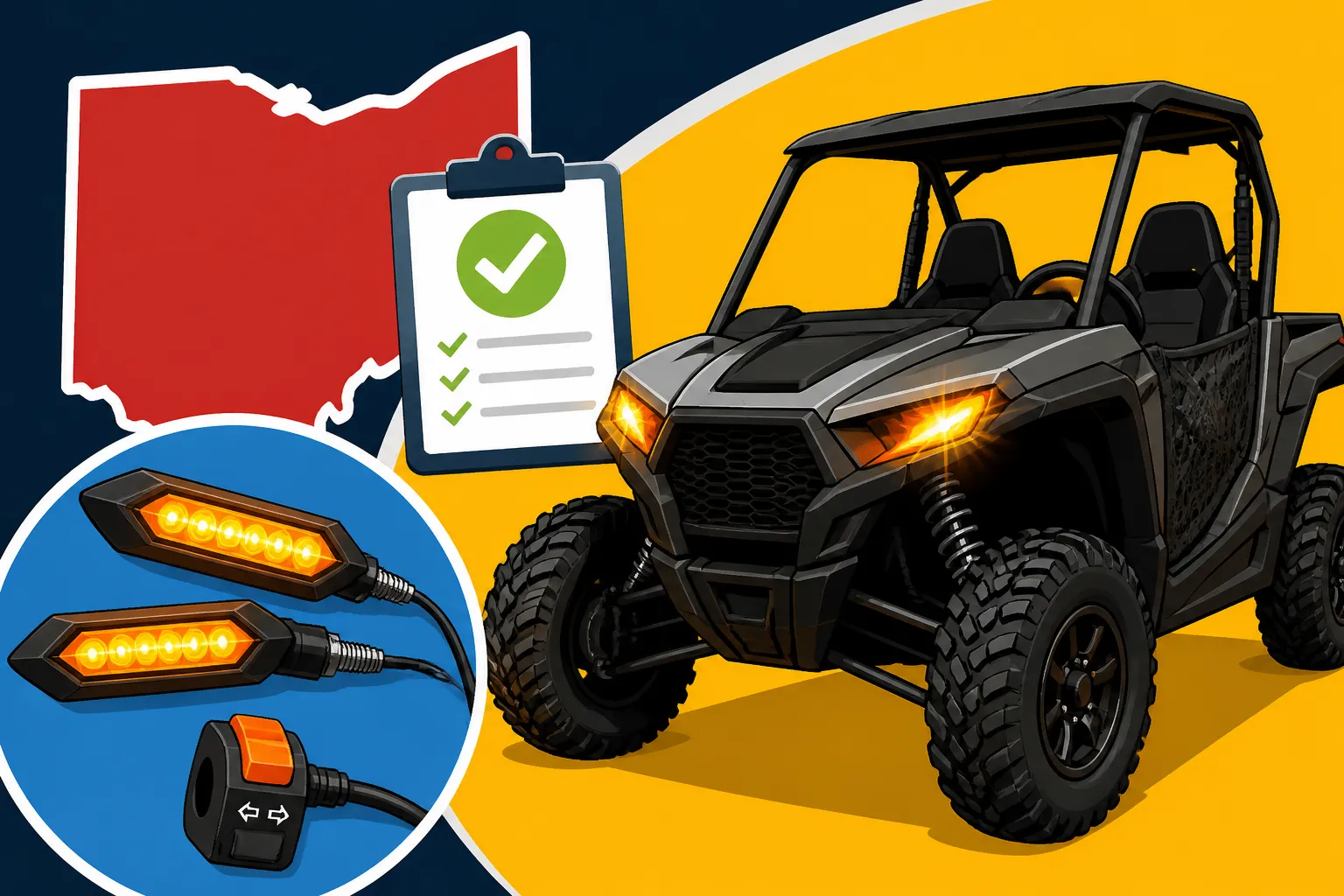
- Completeness: A good kit should include everything you need: front and rear LED lights (often bright, durable, and low-power), a wiring harness, a rocker switch for the dash, a flasher relay, and all necessary connectors and mounting hardware. Some kits, like those from SuperATV, are known for their comprehensive nature, making them a popular choice among UTV owners.
- Durability: Your UTV is exposed to the elements, so choose lights and wiring that are waterproof and robust enough to withstand mud, dust, vibration, and occasional bumps. Look for sealed connectors and high-quality casing for the lights.
- Ease of Installation: Even if you're going professional, an easier-to-install kit can mean less labor time and cost. For DIY, clear instructions, color-coded wires, and machine-specific fitments are huge advantages. Universal kits can work, but they often require more modification.
- Visibility: Ensure the lights are bright enough to meet Ohio's requirements for visibility. LED lights are generally a superior choice due to their brightness, longevity, and low power draw compared to traditional incandescent bulbs.
- Integration: Consider how the switch will integrate into your dashboard. Many kits offer a rocker switch that fits into standard blanks on your UTV's dash for a clean, factory-like appearance.
- Expandability: Some riders like the option to add a horn or a license plate light later. Some kits are designed with these expansion capabilities in mind, making future upgrades simpler.
Installation Steps and Considerations
Here's a general overview of the steps involved in installing a UTV turn signal kit. Remember to always consult your specific kit's instructions, as they will provide the most accurate guidance for your product and machine.
- Read the Instructions Thoroughly: Seriously, don't skip this. Understand the entire process before you start.
- Gather Your Tools: Have all necessary tools on hand: wire cutters/strippers, crimpers, a drill with appropriate bits, screwdrivers, zip ties, electrical tape, and a multimeter for testing.
- Disconnect the Battery: Safety first! Always disconnect the negative terminal of your UTV's battery before working on any electrical system.
- Plan Your Layout: Decide where you want to mount the front and rear lights, the control switch on your dash, and the flasher relay (usually under the dash or seat). Test fit everything to ensure adequate clearance and visibility.
- Mount the Lights: Securely attach the front and rear LED lights. Ensure they are positioned to be clearly visible from all necessary angles, as this is crucial for the inspection. For example, [Turn Signals and Mirrors on an Ohio UTV] are specifically checked.
- Install the Control Switch: Drill a hole (if necessary) in your dash for the rocker switch, or utilize an existing blank. Wire the switch according to the kit's diagram.
- Wire the Harness: Route the main wiring harness through your UTV's frame, being careful to avoid hot components, moving parts, or pinch points. Use zip ties to secure the wires neatly and prevent chafing. Connect the wires to the lights, flasher relay, and switch as directed by the kit.
- Power Connection: Connect the main power wire from the kit to a switched 12V power source on your UTV. This ensures the turn signals only work when the ignition is on, preventing battery drain. Some kits might draw directly from the battery with an inline fuse, but a switched source is generally preferred.
- Ground Connections: Ensure all components have a solid ground connection, typically to the UTV's frame or a common ground point.
- Test the System: Reconnect your battery. Before buttoning everything up, test each turn signal individually (left front, left rear, right front, right rear) and then the hazard lights. Make sure everything flashes correctly and consistently.
- Finalize and Secure: Once you confirm everything works, tidy up any loose wiring with zip ties and electrical tape. Ensure all connections are secure and protected from the elements.
This meticulous approach will not only help you pass your Ohio inspection but also ensure your turn signals function reliably for all your road-legal adventures.
Beyond Turn Signals: Other Key Equipment for Ohio Road Legality
While turn signals are a major hurdle for UTVs seeking road legality in Ohio, they are far from the only requirement. The state has a comprehensive list of equipment that your UTV must possess and that will be checked during the inspection. Neglecting any of these can lead to a failed inspection and further delays in getting your UTV registered for road use.
Other Essential Road Equipment
To ensure your UTV is fully compliant and ready for public roads, you'll need to make sure you have the following in working order, in addition to your new turn signals:
- Headlights: Your UTV must have at least one headlight (though most come with two) that functions on both high and low beams, capable of illuminating the road ahead to a certain distance.
- Taillights: At least one red taillight that is visible from the rear, especially after dark.
- Brake Lights: A red brake light that illuminates when the brakes are applied. Many UTVs come with this from the factory, but ensure it's functioning correctly.
- Reflectors: Red reflectors on the rear and amber reflectors on the front/sides can be required or recommended for enhanced visibility.
- Horn: A working horn is essential for signaling intentions and alerting others to your presence.
- Rearview Mirror: At least one rearview mirror, providing a clear view of the road behind you. Some riders opt for side mirrors in addition to a center mirror for better visibility.
- Windshield and Wipers (if enclosed cab): If your UTV has an enclosed cab, the windshield must be made of safety glass and be equipped with a functional wiper system to ensure clear visibility in adverse weather. This is a common point of failure for inspections, as many aftermarket windshields are not safety glass.
- Brakes: A properly functioning braking system for all wheels.
- Tires: Tires designed for on-road use, or at least not excessively aggressive off-road tires that could damage road surfaces or compromise handling.
- Muffler: A functional muffler to keep noise levels within acceptable limits.
- Spark Arrester: A spark arrester on the exhaust system to prevent wildfires, particularly important when transitioning between road and trail use.
Beyond the machine itself, remember that the operator also has requirements. You'll need a valid [A Driver's License on an Ohio Road] and [Proof of Insurance on an Ohio Road] if you plan on taking your UTV on public roads. It's a holistic approach to safety and compliance.
Getting Ready for Your Inspection Appointment
Once you've installed your turn signals and double-checked all the other necessary equipment, you're almost ready for your inspection. Here are a few tips to ensure a smooth appointment:
- Clean Your UTV: A clean machine not only looks better but also makes it easier for the inspector to see all the components. Caked-on mud can obscure lights or wiring, potentially leading to questions or even a failed inspection.
- Test Everything Again: Before you leave for the appointment, do a final run-through of all your lights, horn, and other equipment. Better to catch a loose wire in your driveway than at the inspection station.
- Bring Documentation: While the inspection itself is about the machine, it's always wise to bring your UTV's title and any installation instructions for your turn signal kit, especially if you used a reputable brand like SuperATV. This shows you've been thorough.
- Arrive Early: Give yourself plenty of time. This allows for any unexpected delays and ensures you're not rushed.
- Ask Questions: If you're unsure about any aspect of the inspection process, don't hesitate to ask the inspector or the staff at the inspection station. They are there to help you understand the requirements.
Passing the inspection is a huge step towards unlocking the full potential of your UTV in Ohio. With your new turn signals and all other equipment in place, you'll be well on your way to legally exploring [Ohio Counties That Allow APVs on Roads] and beyond.
Disclaimer
This article is for general informational purposes only and does not constitute professional advice. Laws, prices and regulations vary by location and change over time. Consult a qualified professional for guidance on your specific situation.