Ohio Supervision Rules for Minors
Navigating the world of off-road vehicle riding with kids in Ohio can feel like trying to untangle a ball of yarn after a kitten's had its way with it. Parents often find themselves scratching their heads, wondering exactly what the rules are for their minor children when it comes to riding ATVs and UTVs. This guide is here to unknot those frustrations, providing clear, actionable insights into Ohio's supervision requirements for young riders, no matter where they plan to hit the trails.
Understanding Ohio's Age Requirements for All-Purpose Vehicles
Ohio law uses the term "All-Purpose Vehicle," or APV, to encompass ATVs, UTVs, and other similar off-road machines. When it comes to minors, the age restrictions are arguably the most crucial starting point for any parent. It's not just about what a child can physically handle, but what the law allows them to do, and at what age they can do it.
The state has a baseline age for operating an APV, and it's essential to understand that this minimum age applies generally to any operation, whether on private land, designated trails, or in the rare instances of legal road use. Parents often assume that if a machine is on private property, these rules somehow don't apply. However, while enforcement might differ, the fundamental safety and liability considerations remain.
For context, Ohio law specifies a minimum age for operating an APV. This is distinct from whether they need supervision. Generally, a child needs to be a certain age to even get behind the handlebars, even on private land. This foundational rule is there to ensure a basic level of maturity and physical capability before a child operates a potentially powerful machine. Ignoring these age guidelines not only puts the child at risk but can also lead to significant legal repercussions for the supervising adult. It's a tough pill to swallow when your little one is begging to ride that shiny new quad, but safety and legality must come first. You can learn more about this general rule in [Ohio Minimum Age to Ride an APV].
General Minimum Age to Operate an APV
In Ohio, a minor must be at least 12 years old to operate an APV. This age is a critical threshold, meaning that children younger than 12 are generally not permitted to operate these vehicles, even if they are skilled and supervised. This rule isn't arbitrary; it's based on studies and safety data that indicate the developmental readiness of children to safely operate complex machinery like ATVs and UTVs. While many kids might feel ready earlier, the law is designed to create a blanket standard that aims to protect the broadest number of young riders.
This minimum age applies across most riding environments, from the vast stretches of private farmland to the winding trails of a state forest. It serves as a stark reminder that an APV is not just a toy. It's a powerful piece of equipment that requires responsible operation. Parents who allow children under 12 to operate an APV risk serious injury to the child and potential legal penalties, including fines and civil liability in the event of an accident. It's a strict boundary, but one that is firmly in place for a good reason.
Why Age Limits Exist
The existence of age limits for APV operation is rooted deeply in safety and developmental psychology. These limits aren't just about prohibiting fun; they are about preventing tragic accidents. Young children, especially those under the age of 12, often lack the physical strength, coordination, judgment, and cognitive ability to react appropriately to unexpected hazards that can arise when riding an APV. Their peripheral vision is still developing, their risk assessment is often skewed, and their ability to make split-second decisions is not yet fully mature.
Think about the dynamic nature of trail riding: sudden obstacles, changing terrain, other riders, and varying speeds. An adult rider instinctively processes multiple inputs and reacts. A younger child might freeze, overreact, or simply not perceive the danger until it's too late. The law, therefore, sets a conservative age limit to provide a buffer, giving children more time to develop the necessary skills and maturity before being legally allowed to operate an APV. This protective measure reduces the likelihood of severe injuries, which can often be life-altering in off-road vehicle accidents. It also underscores the immense responsibility placed on parents and guardians to adhere strictly to these guidelines.
Supervision Rules for Minors on Ohio State Forest Trails
Ohio's state forests offer some fantastic riding opportunities, but they come with specific regulations, especially concerning minor riders. The Ohio Department of Natural Resources (ODNR) manages these lands, and they have clear guidelines in place to ensure safety for everyone enjoying the trails. If your family plans on exploring places like Monday Creek or Hanging Rock, understanding these rules is non-negotiable.
The general rule of a 12-year minimum age for APV operation still stands. However, the nuances of supervision kick in significantly for riders aged 12 to 15. This is where many parents can get confused, thinking that simply being on the trail with their child is enough. It's often more specific than that, requiring direct oversight by a qualified adult. These rules are particularly stringent because state forests are public lands, often with diverse users and variable trail conditions, increasing the need for regulated safety.
Riders Aged 12 to 15: The Licensed Adult Requirement
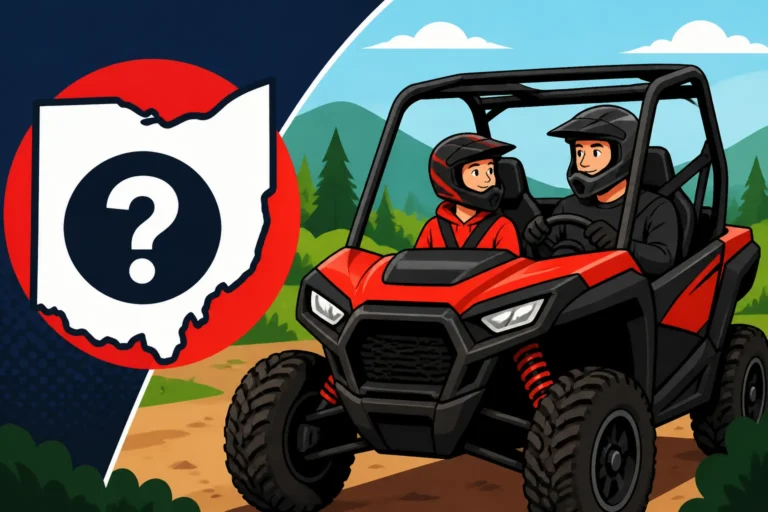
For riders who are at least 12 years old but have not yet turned 16, Ohio state forest rules mandate direct supervision by a licensed adult. This isn't just any adult; it must be someone who holds a valid driver's license. The rationale here is simple: a licensed driver is presumed to possess a certain level of responsibility, experience with rules of the road (and by extension, rules of the trail), and the ability to operate a motorized vehicle safely. This licensed adult must be "in attendance" with the minor. What "in attendance" truly means often comes down to being within a reasonable distance to observe, instruct, and intervene if necessary. It’s not about riding miles ahead while the minor navigates a challenging section alone.
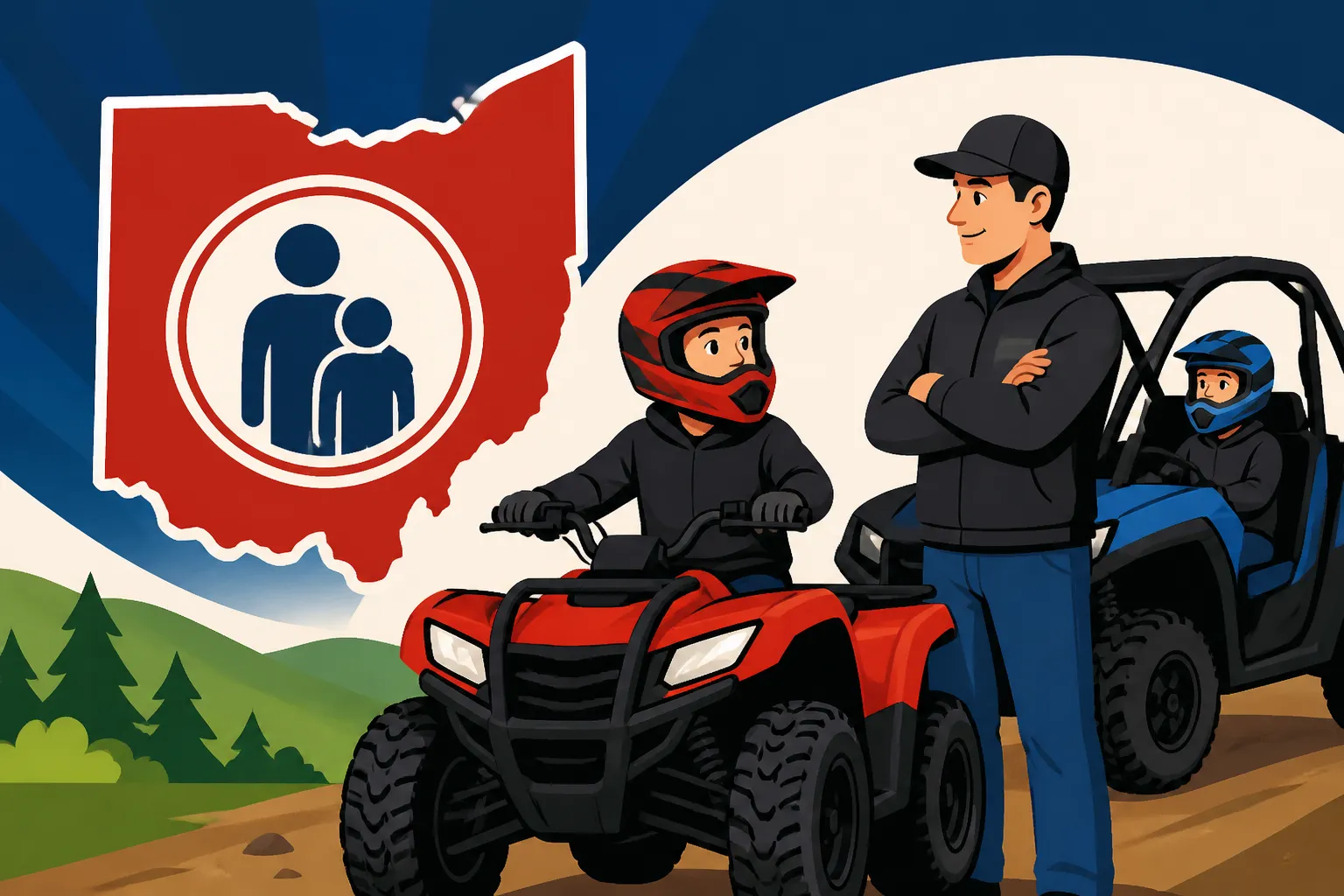
Imagine a scenario: you and your 14-year-old are riding at Monday Creek. You, the licensed parent, must be actively supervising your child. This means riding alongside them, or within sight, ready to offer guidance or assistance. It also means you are responsible for their actions and adherence to all trail rules. This adult supervision is critical for skill development, ensuring the minor practices safe riding habits, and making sure they understand the unique challenges of the specific trail system. This requirement emphasizes that even if a child is legally old enough to operate the machine, they still need the experienced judgment of an adult present. For more details on these age-specific rules, check out [Ohio Rules for a Rider Aged 15] or [Can a 15-Year-Old Ride With a Parent Alongside?].
Why a Licensed Adult and Not Just Any Adult?
The insistence on a licensed adult for supervision is a deliberate choice by Ohio lawmakers and ODNR officials. It goes beyond mere presence. A person holding a driver's license has demonstrated a basic understanding of traffic laws, has undergone some level of testing for vehicle operation, and has a legal privilege that can be revoked for irresponsible behavior. This provides an extra layer of accountability.
Consider this: an unlicensed adult, while potentially caring and well-meaning, might not have the same immediate grasp of safety protocols, the importance of maintaining a safe distance, or the nuances of right-of-way on a shared trail. A licensed driver is expected to bring a higher degree of judgment and regulatory awareness to the supervision role. Furthermore, in an emergency, a licensed adult is generally better equipped to handle a situation that might require navigating the machine, contacting authorities, or providing clear information. This strict requirement underscores the seriousness of APV operation and the protective stance Ohio takes regarding its younger riders on public lands.
Rules for Riders Under 12: No Operation on State Trails
For children under the age of 12, the rule on Ohio state forest trails is unambiguous: they are not permitted to operate an APV. Period. This means no riding, no matter how skilled they are, no matter how much supervision is present, and no matter how small the machine. This is a hard-and-fast rule designed to eliminate any gray areas and protect the youngest riders from environments that are deemed too risky for their developmental stage.
This strict prohibition means that if you have a child who is 11 or younger, they cannot operate an APV on designated state trails like those at Perry State Forest. This can be disappointing for families with younger children, but it's a critical safety measure. Parents should plan their outings accordingly, perhaps engaging younger children in other forest activities or waiting until they meet the minimum age requirement. It’s not uncommon to see families with older kids riding while the younger ones participate in hiking or other non-motorized recreation. While it can be frustrating, especially if your child has a machine perfectly sized for them, the state’s position is clear: these trails are not for riders under 12, regardless of supervision. More on this can be found at [Can a 12-Year-Old Ride on ODNR Trails?].
Essential Safety Gear for All Minor Riders on Trails
Beyond age and supervision, appropriate safety gear is paramount for all minor riders on Ohio state forest trails. This isn't just good practice; it's often legally mandated. The two most crucial pieces of equipment are a helmet and eye protection.
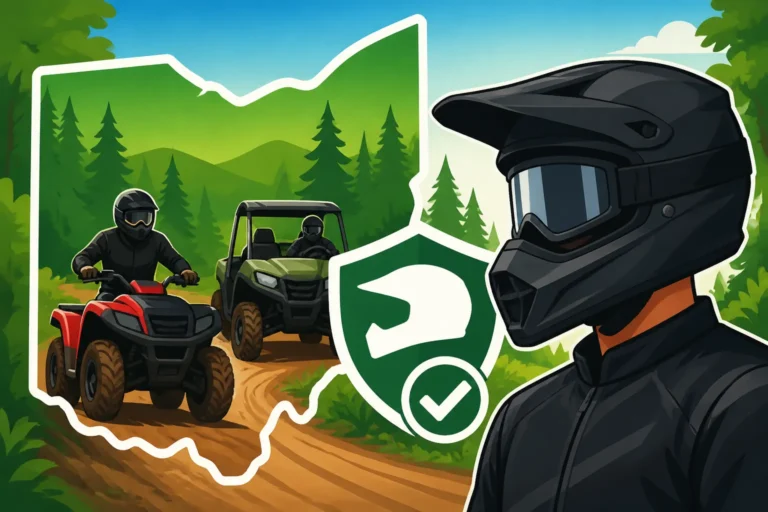
Ohio law requires all APV operators and passengers on state forest lands to wear a securely fastened helmet. This isn't just any helmet; it needs to be a U.S. DOT FMVSS 218 compliant helmet. This standard ensures the helmet meets rigorous testing for impact protection. A bicycle helmet or a novelty helmet simply won't cut it. The helmet must fit snugly, cover the forehead, and be securely buckled. Eye protection, such as goggles or a face shield, is also mandatory to shield eyes from dust, debris, branches, and insects.
Additionally, while not always strictly mandated by law, it is highly recommended that minor riders wear sturdy over-the-ankle boots, long pants, a long-sleeved shirt, and gloves. These items provide crucial protection against abrasions, cuts, and impact in the event of a fall. Equipping your child with quality gear, perhaps from brands like SuperATV that offer robust protection accessories, drastically reduces the risk of serious injury and instills good safety habits from an early age. Investing in proper gear is just as important as understanding the supervision rules themselves. For specific helmet rules, see [Ohio Helmet Law on State Forest Trails] and [Ohio Eye Protection Requirement].
Supervision Requirements for Minors on Private Land and Other Off-Road Areas
While Ohio state forest trails have explicit, detailed rules regarding minor supervision, the guidelines for riding on private land can feel a bit more ambiguous. Many assume that because it’s private property, anything goes. However, this isn’t entirely accurate. While the state’s specific supervision mandates for public lands may not directly apply, common law, parental responsibility, and potential liability still loom large.
Riding on private property, whether it's your own backyard, a friend's farm, or a leased parcel for an ATV club, primarily defers to the landowner's rules and the parent's judgment. Yet, this doesn't absolve parents of the responsibility to ensure safety and prevent negligence. Even on private land, if an accident occurs due to a lack of proper supervision or allowing an underage child to ride, the parent could face civil lawsuits or even criminal charges in severe cases.
Parental Responsibility on Private Property
On private land, the primary "supervision rule" becomes parental responsibility. The state's minimum age of 12 for operation generally holds true, even if not directly enforced by an ODNR officer. Parents are expected to exercise reasonable care and judgment to ensure their child's safety. This means not allowing a child to operate a machine that is too large or powerful for them, ensuring they wear appropriate safety gear, and providing direct, active supervision, especially for younger or less experienced riders.
Consider the implications: if a child under 12 is allowed to operate an APV on private property and sustains an injury, or worse, injures someone else, the parents could be held liable for negligence. This liability stems from the responsibility of a parent to safeguard their child and prevent them from causing harm to themselves or others. Even if there's no "officer" to issue a citation, the legal and moral obligations remain. It's about making sound, safety-conscious decisions, not just adhering to a checklist of government rules. Many experienced riders believe that setting a good example and enforcing strict safety guidelines on private land is just as, if not more, important than on public trails. For more on landowner rules, see [Ohio Landowner Permission Requirements].
Private Parks and Club Trails
Ohio also has a growing number of private riding parks and club trails. These venues often set their own rules regarding age and supervision, which can sometimes be more stringent than state regulations, or at least tailored to their specific terrain and risks. It is absolutely crucial to check the specific rules of any private park or club before you visit with minor riders.
For example, some private parks might have their own minimum age for certain machines or trails, or they might require a signed waiver from a parent or legal guardian for any minor to ride, regardless of age. They might also enforce specific helmet or gear requirements. These rules are put in place for the safety of all patrons and to limit the park's own liability. Failing to adhere to a private park's rules can result in being asked to leave, or even banned from the facility. Always visit their website or call ahead to clarify their policies on minor riders and supervision. This proactive step can save a lot of frustration and ensure a fun, legal day out for everyone.
The Rare Case of Minors and APV Road Use in Ohio
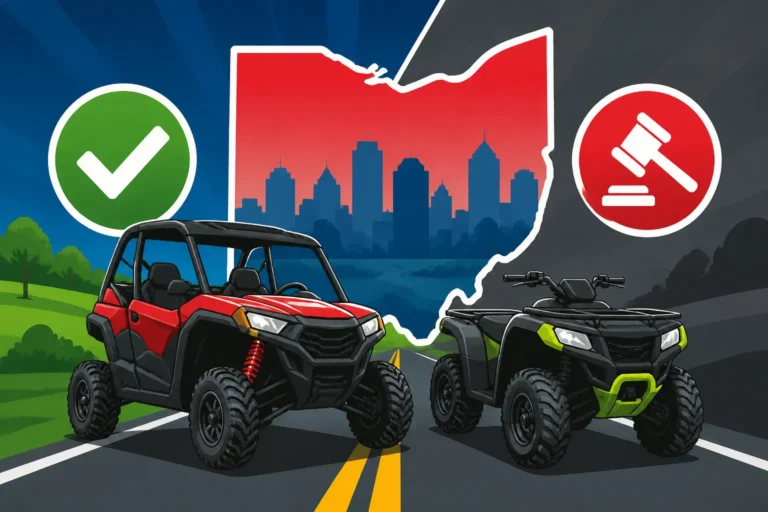
This section is going to be short and to the point: using an APV on Ohio roads, especially for minors, is extremely restricted. While the concept of "street legal" ATVs or UTVs comes up, the reality for minors is that it's almost a non-starter. Ohio generally does not allow ATVs on public roads, and while UTVs can sometimes be operated on certain county or township roads if specific conditions are met and local ordinances permit it, these scenarios rarely, if ever, apply to minor operators.
Why Minors Are Excluded from Road Use
The primary reason minors are excluded from APV road use boils down to two critical factors: driver's license requirements and the inherent dangers of mixing off-road vehicles with traditional road traffic.
- Driver's License Requirement: To operate any motorized vehicle on a public road in Ohio, a person must possess a valid driver's license. Since minors typically do not obtain a full driver's license until they are 16 (and even then, with provisional restrictions), this immediately disqualifies almost all minors from legally operating an APV on public roads. There are no special "off-road vehicle" licenses for minors that would permit road use. This rule is absolute. Even if a township has passed an ordinance allowing UTVs on its roads, a minor without a valid driver's license cannot legally operate one.
- Safety and Legal Risks: APVs, especially ATVs, are designed for off-road use. They handle differently than cars or even motorcycles on paved surfaces. Their suspension, tires, and steering are not optimized for road speeds or conditions, making them unstable and dangerous in traffic. The risk of serious accidents increases dramatically. Ohio law is designed to keep these machines where they belong – off the roads – and this is particularly true for young, less experienced operators.
Therefore, for all practical purposes, if you have a minor rider, you should assume that public roads are off-limits for APV operation. Even if you've gone through the extensive process of making a UTV "street legal" by adding necessary equipment like turn signals and mirrors (maybe even some robust SuperATV accessories to meet those standards), a minor cannot legally drive it on a public road due to the driver's license requirement. Focusing on approved trails and private land is the only safe and legal approach for minor APV riders in Ohio. For further information on general road rules, you can refer to [Ohio Driver's License Rules for APVs] and [Ohio Rules for Riding a County Road].
Summary of Ohio APV Minor Supervision Rules
To help clarify the various rules and where they apply, here's a quick overview:
| Scenario | Minimum Age to Operate | Supervision Required? | Type of Supervisor | Key Requirements |
|---|---|---|---|---|
| Private Land | 12 years old | Highly Recommended / Parental Discretion | Any competent adult | Parental responsibility for safety, appropriate machine size, proper gear. |
| Ohio State Forests | 12 years old | Yes, for ages 12-15 | Licensed adult (18+) | Supervisor within attendance, DOT helmet, eye protection. No riders under 12. |
| Public Roads (ATV) | N/A (Generally Prohibited) | N/A | N/A | ATVs generally illegal on public roads; minors cannot operate without license. |
| Public Roads (UTV) | 16+ (with driver's license) | N/A | Licensed driver (16+) | Must meet all "street legal" requirements AND possess a valid driver's license. |
This table provides a snapshot, but remember, the details within each section are crucial for truly understanding your responsibilities and your child's permissions. Always prioritize safety and verify local ordinances or park rules for the most up-to-date information.
Disclaimer
This article is for general informational purposes only and does not constitute professional advice. Laws, prices and regulations vary by location and change over time. Consult a qualified professional for guidance on your specific situation.