Ohio Rules for Riding a Snow-Covered Road
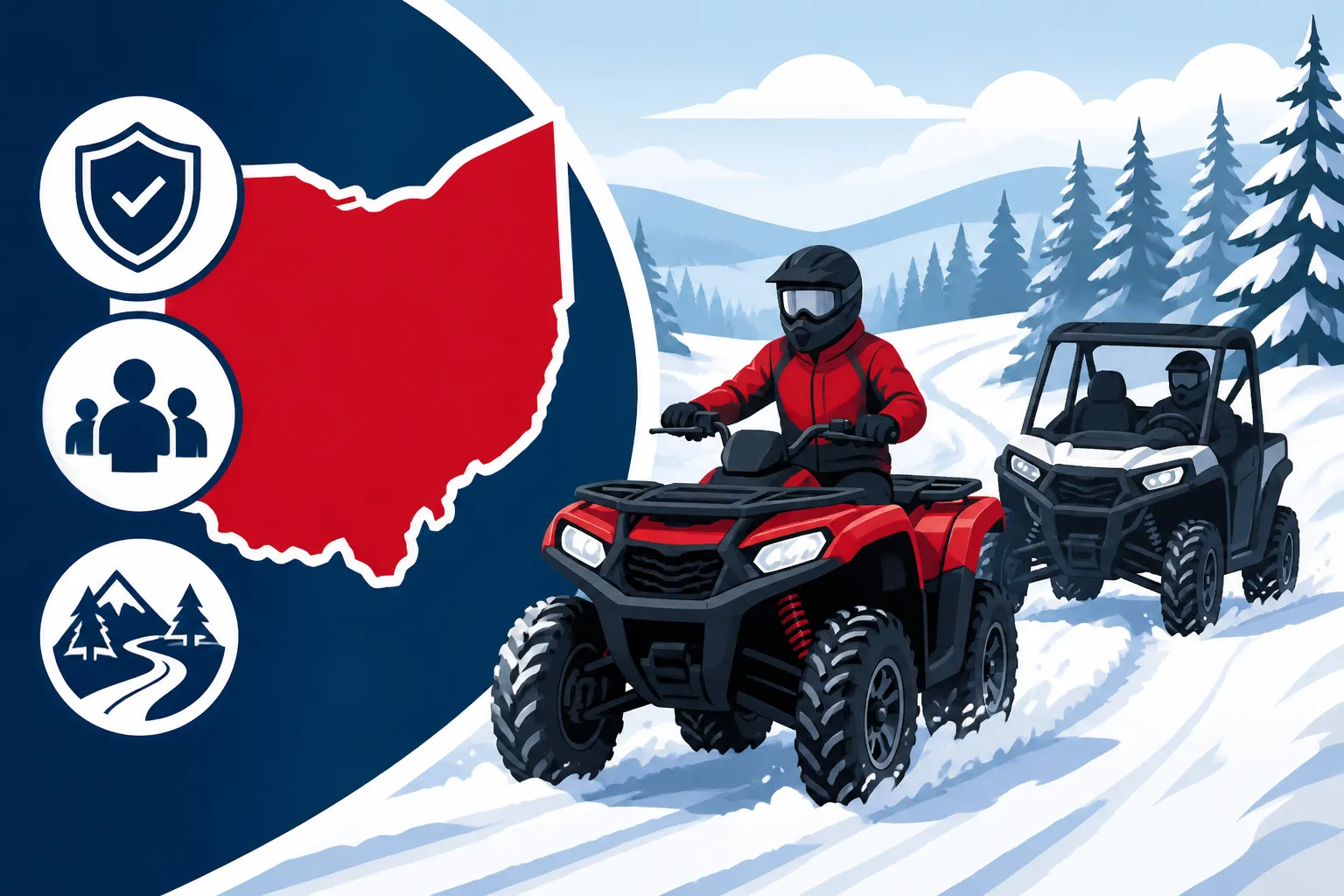
Winter in Ohio brings a unique charm, but for ATV and UTV enthusiasts, it also brings a host of questions about where and how you can legally and safely ride when the snow flies. Many riders find themselves wondering if those freshly blanketed township roads are fair game, especially when clearing their own driveways or just enjoying the quiet beauty of a snowy landscape. This guide is dedicated to untangling the specific rules and practicalities of riding your all-purpose vehicle on Ohio's snow-covered roads, helping you navigate the winter wonderland responsibly.
The Reality of Winter Riding in Ohio: More Than Just Snow
Riding your ATV or UTV in the snow can be an absolute blast, a quintessential winter experience for many folks. There’s something truly magical about the crisp air, the hushed landscape, and the way your machine glides (or digs!) through fresh powder. However, this idyllic scene often collides with the practical realities and legalities of public roads. It's not as simple as "if there's snow, it's a trail." Ohio law, ever keen on defining where and how you can operate an all-purpose vehicle, has specific nuances that come into play when snow starts piling up. Ignoring these distinctions can turn a fun day out into a costly headache, so it’s crucial to understand the rules before you roll out.
When Snow Turns a Road Into a Trail
The critical distinction in Ohio isn't just the presence of snow, but how that snow impacts the classification of the road for APV use. Generally, an all-purpose vehicle isn't street-legal on state routes or interstates, regardless of weather conditions. However, many counties and townships have the authority to open their local roads to APV traffic. This local authorization is usually laid out in a resolution from the county commissioners or township trustees. The key detail here is that these resolutions don't typically change just because it snows. The road is either open to APVs or it isn't, independent of the weather. The snow might make it feel like a trail, but its legal status as a public road, with all the associated rules, remains. This means that if a particular township road is not open to APVs in the summer, it's almost certainly not open in the winter either, even if it's completely covered in snow. Always check the specific local ordinances. [Ohio Rules for Riding a County Road] and [Ohio Rules for Riding a Township Road] are essential reading for understanding these local variations.
It’s easy to get caught up in the excitement of a fresh snowfall and see every unplowed road as an invitation. But think about the potential consequences. A deputy patrolling that area, even slowly, will still be enforcing the same laws they would in July. If your machine isn't permitted on that stretch of road, or if you don't meet the equipment or registration requirements, the snow won't magically make the citation disappear. You might be out there enjoying the solitude, only to find yourself facing a fine for illegal road use. This is why knowing the specific rules for the county or township you're riding in is paramount. It’s not about stifling fun, but about ensuring that your fun doesn’t come at the expense of your wallet or, worse, your safety and the safety of others.
The Double-Edged Sword of Winter Recreation
Winter riding, particularly on snow-covered roads, presents a fascinating dichotomy. On one hand, it offers unparalleled access to a transformed landscape, providing a unique challenge and a thrilling experience. Many riders also use their machines for practical purposes in winter, like plowing their own driveways or helping neighbors. On the other hand, the very conditions that make winter riding exciting also introduce significant hazards and legal complexities. Reduced visibility, icy patches hidden under fresh powder, and the unpredictable nature of snowdrifts can quickly turn a pleasant ride into a dangerous situation. Plus, even if a road is open to APVs, the presence of snow and ice might trigger additional requirements or warnings that riders need to heed.
For instance, while a road might legally be open for APVs, a heavy snowfall could make it impassable for smaller machines or create conditions where only tracked vehicles could safely traverse. This pushes the boundaries of what is "safe" even if it's technically "legal." Furthermore, some townships that permit APV use might have specific speed limits or hours of operation that apply year-round, regardless of snow. [Ohio Winter Road Riding Rules] explicitly states that while a snow-covered road might feel like a trail, it's still a road with all its inherent rules. The allure of untouched snow can sometimes blind riders to the potential dangers, from hidden obstacles beneath the snow to other vehicles that might not expect an APV to be out in those conditions. It truly is a double-edged sword, demanding both enthusiasm and extreme caution.
Navigating Ohio's Road Laws in Winter: What's Different?
So, you’ve checked your local ordinances, and that particular county or township road is open to APVs. Great! But hold on, the snow isn't just an aesthetic change; it can introduce other considerations, both legal and practical, that you need to be aware of. While the core laws for APV road use remain the same, winter conditions might amplify the importance of certain equipment, visibility, and even personal readiness. It’s not just about what you can do, but what you should do to stay safe and compliant when the mercury drops and the flakes fly.
The Local Control Factor: County and Township Decisions
The most significant hurdle for any Ohio APV rider wanting to hit the roads, especially in winter, is the decentralized nature of road access. Unlike some states with blanket rules, Ohio empowers its 88 counties and over 1,300 townships to make their own decisions about APV use on their controlled roadways. This means what's legal in one township just a few miles down the road might be strictly prohibited in the next. There is no statewide "snow rule" that suddenly opens up all roads to APVs when they are covered in snow. A road must be explicitly opened by a resolution from the local governing body. This is why a rider from Muskingum Township might have access to snow-covered roads, while a rider in an adjacent township might not.
This patchwork of regulations demands that you do your homework before you ever load your machine. Simply seeing tracks in the snow doesn't mean it's legal; it could mean someone else is also riding illegally or that the tracks belong to a permitted vehicle. You'll need to contact the county engineer's office or the township clerk's office for the specific area you plan to ride. They can tell you if a resolution exists to permit APVs on their roads. Even if a road is open, you might find nuances in the resolution, such as speed limits, restrictions on road types (e.g., only unposted roads with speed limits of 35 mph or less), or even specific hours. It's truly a localized effort, and being informed is your first line of defense against an [Ohio Fines for Illegal APV Road Use] citation.
Equipment Considerations for Winter Road Riding
When it comes to riding on snow-covered roads, your machine's setup becomes even more critical. Ohio law already has specific [Ohio Equipment Rules for an APV on a Road] if you're riding on open county or township roads, and these don't magically disappear in winter. This means you still need working headlights, taillights, a muffler that meets noise limits, and a spark arrestor. But snow and ice introduce additional demands. For instance, good tires are always important, but in winter, the right tread pattern can mean the difference between controlled navigation and an uncontrolled slide. Many riders opt for specialized winter tires or even studded tires to improve grip on icy patches. [Studded Tires on Ohio Ice] provides more details on using these.
Beyond the basics, think about visibility. Snow often means lower light conditions, whether from overcast skies or reduced daylight hours. Upgrading your lighting, perhaps with auxiliary LED light bars, can significantly improve your ability to see and be seen, especially if you're riding anywhere near dusk or after dark. [Ohio Rules for Riding After Dark] are still in full effect. A windshield, even a half-windshield, can make a huge difference in rider comfort by deflecting wind and snow. Companies like SuperATV offer a wide range of accessories, from full cab enclosures and heaters that make winter riding infinitely more comfortable, to heavy-duty winches and plow systems that can transform your UTV into a snow-clearing workhorse. A good plow, like those available from SuperATV, is not just for your driveway; it can help clear paths on private property or make short work of drifting snow on an access road. While not legally required for simply riding on snow-covered roads, these accessories dramatically enhance safety, comfort, and utility during winter operations. Don't forget proper functioning brakes; slush and ice can affect their performance, so a pre-ride check is non-negotiable.
Safety and Practicalities for Winter Road Warriors
Riding in the cold and snow demands a higher level of preparedness than a sunny summer day. The beauty of a winter landscape can quickly become unforgiving if you're not properly equipped or if your machine isn't ready for the rigors of cold weather. Beyond the legalities, focusing on safety and practical considerations will ensure your winter excursions remain enjoyable and free from preventable incidents. From the ground up, every element of your setup, both machine and rider, needs to be geared for the chill and the slick.
Preparing Your Machine for the Cold and Snow
Getting your ATV or UTV ready for winter road riding goes beyond just adding fuel. Just like you would winterize a car, your all-purpose vehicle needs special attention. First, check all fluids. Engine oil should be appropriate for cold temperatures, ensuring proper lubrication on startup. Coolant levels are critical, and make sure your antifreeze is rated for the expected low temperatures to prevent freezing damage. Batteries struggle more in the cold, so ensure yours is fully charged and in good condition. A weak battery can leave you stranded in the worst possible conditions. Consider a trickle charger if your machine sits for extended periods.
Next, focus on wear items. Brakes, as mentioned, are paramount. Check pads and fluid, ensuring no air in the lines. Tires should be inspected for wear and proper pressure. For snow and ice, many riders switch to specialized tires, or add chains for extreme grip on steep or heavily iced sections. [Studded Tires on Ohio Ice] are a common modification for serious winter riders. Lighting systems need to be in top shape. Not only are they legally required, but reduced visibility from snow, fog, or early sunsets makes strong headlights and taillights non-negotiable. Wipers on a UTV with a full enclosure are a game-changer when snow or slush starts to fly. A functioning winch, perhaps a heavy-duty model from SuperATV, is also a smart addition for winter. Snow can hide soft spots, and getting stuck in a drift far from help is a quick way to turn an adventure into an emergency. Finally, ensure your machine's exhaust system is clear and that the spark arrestor is clean, reducing fire risk and ensuring proper engine performance in cold air.
Personal Safety Gear for Inclement Weather
Your machine might be ready, but are you? Riding in winter, especially on open roads, exposes you to wind chill, freezing temperatures, and precipitation, all of which can lead to hypothermia and frostbite if you're not properly dressed. Layering is key: start with a moisture-wicking base layer, add insulating layers (fleece or down are great), and top it off with a waterproof and windproof outer shell. This allows you to adjust your clothing as your activity level or the weather changes.
Your hands and feet are particularly vulnerable to cold. Waterproof, insulated gloves or mittens (often warmer) are essential. Heated grips can be a real luxury and safety feature, keeping your hands warm and agile. For your feet, insulated, waterproof boots are a must, along with warm wool or synthetic socks. Don't forget your head and face. A full-face helmet that is DOT FMVSS218 compliant, combined with a balaclava or neck gaiter, will protect against windburn and frostbite. Clear goggles or a helmet visor will maintain visibility, but make sure they are anti-fog to prevent dangerous visual obstruction. [Ohio Helmet Rules for APV Riders] are always in effect. Consider carrying emergency supplies too: a small shovel, tow strap, extra warm layers, a fully charged cell phone, and a basic first-aid kit can be lifesavers. While a heated cab from SuperATV can offer incredible comfort and protection from the elements, ensuring you have appropriate personal gear for any unexpected dismount or breakdown is still vital. Preparation means enjoying the ride, rather than enduring it.
Here's a quick checklist to help you get ready for winter road riding in Ohio:
| Category | Item | Notes |
|---|---|---|
| Machine Prep | Appropriate Fluids (Oil, Coolant) | Check levels, ensure cold-weather rating. |
| Battery Condition | Fully charged, good health; consider trickle charger. | |
| Tires & Chains | Inspect tread, pressure; consider winter-specific tires or chains for extreme conditions. | |
| Brakes | Inspect pads, fluid, lines; ensure optimal performance. | |
| Lighting System | Headlights, taillights, turn signals (if required) all fully functional and clean. Consider auxiliary lights. | |
| Winch | Functioning, with proper rope/cable; essential for self-recovery in snow. | |
| Windshield/Enclosure | If UTV, ensure clear visibility; consider heated enclosure for comfort. | |
| Plow System | (Optional, but useful) Check functionality, secure mounting for clearing snow. | |
| Rider Gear | Layered Clothing | Moisture-wicking base, insulating mid-layers, waterproof/windproof outer shell. |
| Helmet (DOT Compliant) | Full-face preferred for warmth and protection. | |
| Eye Protection | Goggles or visor (anti-fog). | |
| Insulated Gloves/Mittens | Waterproof and warm; consider heated grips. | |
| Insulated, Waterproof Boots | With warm socks. | |
| Balaclava/Neck Gaiter | Protects face and neck from wind and cold. | |
| Emergency Supplies | Cell Phone (Charged) | For emergencies, stored in a waterproof bag. |
| Small Shovel & Tow Strap | For getting unstuck. | |
| First-Aid Kit | Basic supplies for minor injuries. | |
| Extra Warm Layers | In case of breakdown or prolonged exposure. | |
| Water/Snacks | Stay hydrated and energized. | |
| Documentation | APV Registration Card | Required proof of Ohio APV Registration and Insurance Proof. |
| Driver's License | [Ohio Driver's License Rules for APVs] are critical for road use. | |
| Proof of Insurance | If required by local ordinance for road use. | |
| Local Ordinance/Resolution Copy | Proof that the specific road is open to APVs. |
Disclaimer
This article is for general informational purposes only and does not constitute professional advice. Laws, prices and regulations vary by location and change over time. Consult a qualified professional for guidance on your specific situation.