Old Haul Roads in Coal Country
Ah, the lure of those old haul roads in Ohio's coal country! If you've ever spent time riding through the rugged, beautiful landscapes of southeastern Ohio, you know exactly what I'm talking about. There's a certain mystique to these forgotten pathways, carved out by industry decades ago and now slowly being reclaimed by nature. But here's the kicker: while they might look like prime riding territory, navigating them isn't as simple as just hitting the gas. Many riders get confused about where they can legally and safely explore these unique trails. This guide is all about cutting through that confusion, helping you understand the history, legalities, and safety essentials so you can enjoy Ohio's coal country trails responsibly.
Unearthing Ohio's Coal Country Haul Roads: A Unique Riding Landscape
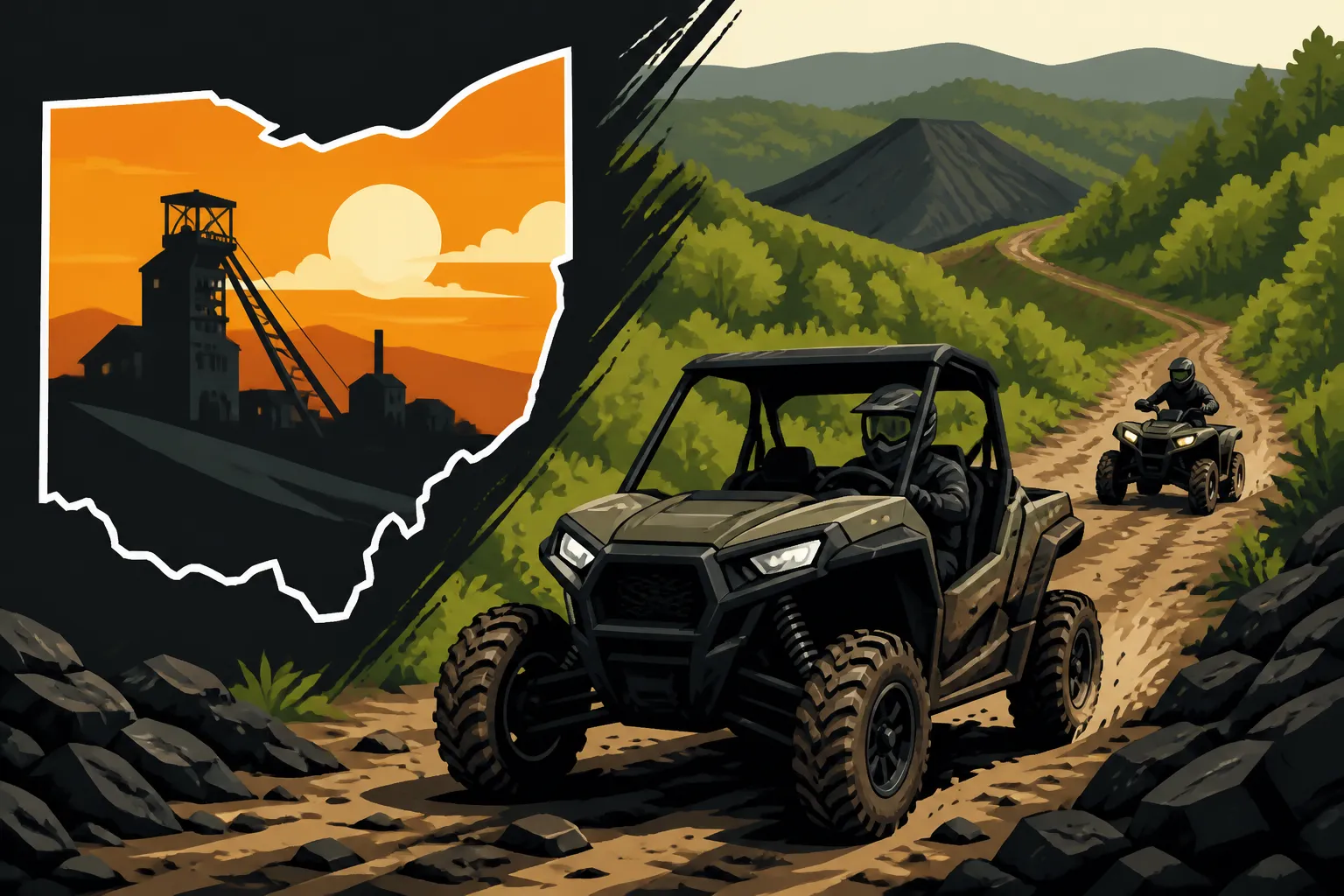
Ohio's coal country, primarily nestled in the Appalachian foothills, has a rich and complex history defined by mining. For generations, communities thrived around coal extraction, and a vast network of roads was essential to this industry. These weren't your typical paved roads; they were robust, often unpaved tracks designed to withstand the weight of heavy machinery, massive trucks carrying coal, and constant wear and tear. Today, many of those mines are long closed, and nature has begun its slow, persistent work of softening the sharp edges of industrial activity. But the bones of those old haul roads remain, offering a challenging and intriguing landscape for ATV and UTV enthusiasts.
The Legacy of Appalachian Mining in Ohio
For well over a century, coal was king in much of southeastern Ohio. Towns like Nelsonville, Athens, and Zanesville owe much of their heritage to the coalfields that once buzzed with activity. The landscape itself bears the marks of this era: vast tracts of land that were strip-mined, deep underground shafts, and, of course, the intricate web of haul roads. These roads were the lifelines, connecting mines to processing plants, railheads, and eventually, the wider world. When the industry shifted, many of these operations ceased, leaving behind a scarred but resilient land. Over the decades, environmental reclamation efforts have transformed many of these areas, but the underlying topography, including those old haul roads, persists, creating a unique environment for off-road recreation. It's a landscape of steep climbs, dramatic descents, and unexpected turns, all testament to its industrial past.
What Defines an "Old Haul Road" for Riders?
When we talk about "old haul roads" in the context of ATV and UTV riding, we're generally referring to former industrial access roads that were built specifically for heavy vehicles transporting coal or other extracted materials. These aren't just overgrown logging trails or farm lanes. They are often wider than typical recreational trails, sometimes featuring deep cuts into hillsides or significant embankments. You might notice tell-tale signs like leftover gravel, compacted earth, or even remnants of old culverts and bridges designed for substantial loads. Because they were built for utility, they often follow the most direct (and sometimes steepest) path between points, leading to some truly thrilling and demanding sections for riders. The terrain can vary wildly, from hard-packed dirt to loose shale, rocky climbs, and muddy low spots, especially after a good rain. Riding a reclaimed strip mine road can offer a truly distinct experience compared to state forest trails.
Distinguishing Haul Roads from Other Off-Road Paths
It's crucial to understand that not all off-road paths are "old haul roads." Ohio has a diverse range of riding opportunities, including designated state forest trails, local township roads, logging paths, and private property tracks. Logging roads, for example, tend to be narrower and follow contours more closely, often leading to active timber operations. Farm lanes are typically well-maintained for agricultural access, though they might be privately owned. The defining characteristic of a haul road is its industrial origin and the heavy-duty construction it received. They often connect what were once mine sites, processing areas, or old company towns. This distinction is vital because the legal status of riding on these different types of paths can vary dramatically. Just because a path looks abandoned doesn't automatically mean it's open for public recreation.
Navigating the Legal Landscape of Riding Old Haul Roads
This is where things can get a little tricky, and frankly, a lot of riders stumble. The legal status of old haul roads is often ambiguous because their ownership and intended use have changed dramatically since they were first built. Unlike clearly marked and managed trail systems, these roads exist in a legal gray area that demands careful investigation and respect for property rights. Ignoring these distinctions can lead to citations, fines, or even having your machine impounded, which nobody wants after a fun day out.
Public vs. Private Ownership: The Critical Distinction
The most important factor in whether you can legally ride an old haul road is its ownership. Many of these roads were built on private land by mining companies. When the mines closed, that land, and the roads on it, often reverted to private ownership—either remaining with the original company, being sold off to individuals, or sometimes being acquired by conservation groups or even public entities for reclamation. If an old haul road is on private property, you absolutely cannot ride it without explicit permission from the landowner. Period. There are no "implied" rights of access just because a road looks disused.
Conversely, some sections of old haul roads might have been incorporated into public lands over time, such as state forests, national forests like Wayne National Forest, or even county or township road systems. In these cases, you might be allowed to ride them, but only if they are clearly designated as part of an official trail system or fall under a specific local ordinance opening roads to APVs. This is why doing your homework beforehand is so crucial; you cannot assume public access. The best advice I can give is, when in doubt, assume it's private and seek permission.
Understanding Ohio's Trespass Laws for Riders
Ohio takes its trespass laws seriously, and ignorance is rarely an excuse in the eyes of the law. Riding on private property without permission, whether it's an old haul road, a farmer's field, or a logging trail, constitutes trespass. This can result in a minor misdemeanor citation for a first offense, escalating to more serious charges if you've been warned before or if you cause damage. Landowners are within their rights to report trespassers, and local law enforcement, including sheriff's deputies and ODNR officers, are tasked with enforcing these laws. It’s not uncommon for landowners in rural coal country areas to be highly protective of their property, especially if they’ve had issues with illegal riding in the past. You don't want to be the reason why a property owner decides to put up "No Trespassing" signs or barriers, closing off potential future opportunities for everyone. For more on this, check out [Ohio Trespass Rules for Riders].
Securing Permission: The Golden Rule for Private Land
If you've identified an enticing old haul road that appears to be on private land, the "golden rule" is simple: get permission. This means identifying the landowner, reaching out to them, and securing explicit consent before you ever put a tire on their property. This might involve a phone call, a letter, or even a face-to-face conversation. Be respectful, explain what you want to do, and assure them you'll be responsible. Some landowners might be amenable, especially if you offer to help with a task or if they know you personally. Others might flat-out refuse, and you must respect their decision.
Sometimes, a large parcel of land might be owned by a timber company, a coal company that still holds mineral rights, or a conservation organization. These entities often have formal processes for granting access, or they might prohibit it entirely due to liability concerns or ongoing operations. Never try to "sneak in." Getting caught can ruin future chances for legal access in that area for everyone. Always clarify the [Ohio Landowner Permission Requirements] and get written permission if possible, detailing the specific areas you can ride and any conditions. It protects both you and the landowner.
Safety and Preparedness for Coal Country Riding
Riding old haul roads in Ohio's coal country is an experience unlike any other, but it comes with its own unique set of challenges and hazards. These aren't groomed trails; they're raw, rugged, and often unpredictable. The same features that make them exciting—the steep grades, the rocky terrain, the remote locations—also demand a heightened level of awareness, preparedness, and the right equipment.
Unique Hazards of Reclaimed Mine Lands and Haul Roads
The landscape of former strip mines and their associated haul roads presents several specific dangers. First, the ground itself can be unstable. You might encounter sudden washouts, sinkholes, or unexpected drops, especially on reclaimed land where the earth has been disturbed. Erosion can create deep ruts or expose sharp rocks. Second, old mining areas might have hidden hazards like abandoned equipment, exposed rebar, or even open mine shafts, though most legally reclaimed areas address these. Water quality can also be an issue, with acidic mine drainage sometimes leaving orange-tinged streams and mud. After heavy rains, sections can become incredibly slick with clay, making climbs treacherous and descents even more so. Always be mindful of the remnants of past industry and the impact of weather. The terrain can change dramatically, sometimes from one year to the next.
Essential Gear and Machine Upgrades for Tough Terrain
To tackle these challenging terrains safely, proper gear for both rider and machine is non-negotiable. For riders, a DOT-approved helmet and eye protection are absolute musts, along with sturdy boots, gloves, and appropriate riding apparel to protect against scrapes and impacts. On your machine, consider some key upgrades for resilience. Heavy-duty skid plates, for example, are crucial for protecting your undercarriage from sharp rocks and stumps. Upgraded suspension can help absorb the relentless bumps and uneven surfaces. A winch is practically a requirement for anyone venturing into remote, challenging terrain; getting stuck in deep mud or on a steep incline far from help is a real possibility. Companies like SuperATV offer a wide range of robust aftermarket parts specifically designed to enhance the durability and capability of your ATV or UTV for these kinds of conditions. Think about reinforced A-arms, robust tires with aggressive tread for traction on loose shale and mud, and a reliable spare tire if your machine configuration allows. Also, carry a basic tool kit, first-aid kit, communication device (understanding cell service might be spotty), and enough water and snacks. It's also wise to carry extra fuel, especially if you're exploring [Ohio Rules for Carrying Fuel] in remote areas.
Riding Etiquette and Environmental Responsibility
Responsible riding on any off-road path, especially in environmentally sensitive areas like reclaimed mine lands, means adhering to strict etiquette and environmental principles. This starts with "Tread Lightly!" principles: stay on marked trails (if applicable), avoid riding in excessively muddy conditions that can widen trails or cause deep ruts, and never, ever litter. Pack out everything you pack in, and if you see trash, consider picking it up. Be mindful of noise levels, especially near residential areas, and yield to other trail users like hikers, mountain bikers, or even horseback riders if you encounter them on multi-use paths. Remember that many of these areas are also home to wildlife, so ride respectfully and avoid disturbing animals or their habitats. Your actions directly impact how ATV and UTV riders are perceived by landowners, environmental groups, and the general public. Riding responsibly ensures that these unique landscapes remain accessible for future generations.
Finding and Enjoying Ohio's Coal Country Riding Opportunities
So, with the legalities and safety aspects covered, how do you actually find and responsibly enjoy these old haul roads? It takes a bit of research and planning, but the rewards are well worth the effort. The sense of discovery and the challenge of the terrain can be incredibly fulfilling, offering a different kind of riding experience than manicured trails.
Researching Open Areas and Permitted Access
Your first step should always be thorough research. Start by looking at detailed maps of the regions you're interested in. Topographical maps can reveal old road networks that might not appear on standard street maps. Cross-reference these with land ownership maps, which you can sometimes find through county auditor's offices or online GIS portals. Look for public land designations. Ohio's state forests, particularly in the southeastern part of the state, and the Wayne National Forest are good places to start. While not all roads in these areas are open to APVs, some officially designated trails might incorporate sections of former haul roads or similar rugged terrain. Don't be afraid to contact local township trustees, county commissioners, or even ODNR offices to inquire about known riding opportunities or local ordinances. Remember, if a piece of land is privately owned, your next step is to secure direct [Getting Permission to Ride a Privately Owned Reclaimed Mine].
Trail Systems Incorporating Old Haul Road Sections
While Ohio doesn't have a vast network of officially designated "old haul road" trails, some existing recreational areas and private parks do incorporate sections that resemble or actually are former industrial roads. For instance, parts of Ohio's [Riding a Reclaimed Strip Mine Road] offer terrain that feels very much like riding on an old haul road due to their rugged, disturbed nature. Similarly, private riding parks often lease or own land with a history of mining, specifically designing trails that capitalize on the challenging topography left behind. These parks are usually your safest and most straightforward bet for experiencing true coal country riding without worrying about trespass. They often provide maps, amenities, and a controlled environment, even if they charge a day rate. Be sure your machine is up to the task; [Ohio ATV Maintenance Costs] should be budgeted for machines that will face rough terrain. Consider upgrades from SuperATV, such as heavy-duty axles or lift kits, which can make a real difference on challenging climbs and rocky paths.
Planning Your Adventure: Maps, Fuel, and Emergency Contacts
Once you've identified a legal riding area, careful planning is paramount.
- Maps and GPS: Always carry detailed maps (paper and digital) and a reliable GPS device. Cell service can be non-existent in remote coal country, so don't rely solely on your phone. Mark your route, potential bail-out points, and emergency exits.
- Fuel and Supplies: Ensure you have enough fuel for your entire trip, plus a reserve. Old haul roads can be longer and more demanding than they appear on a map, consuming more fuel. Carry plenty of water, snacks, and a way to signal for help.
- Emergency Plan: Share your riding plan with someone who isn't with you, including your route, expected return time, and who to contact if you don't check in. Know your emergency contacts and local emergency service numbers.
- Weather: Check the weather forecast before you go. Rain can quickly turn a challenging trail into a dangerous quagmire, especially on clay-rich [Ohio Trails With Mud]. Flash flooding is also a concern in some areas.
- Group Riding: Whenever possible, ride with a buddy or in a group. There's safety in numbers, and you can help each other out if someone gets stuck or has a mechanical issue. Remember to always ride within your skill level and the capabilities of your machine. Enjoy the unique history and thrilling terrain, but always prioritize safety and legality.
Disclaimer
This article is for general informational purposes only and does not constitute professional advice. Laws, prices and regulations vary by location and change over time. Consult a qualified professional for guidance on your specific situation.