Ohio UTV Inspection Requirements
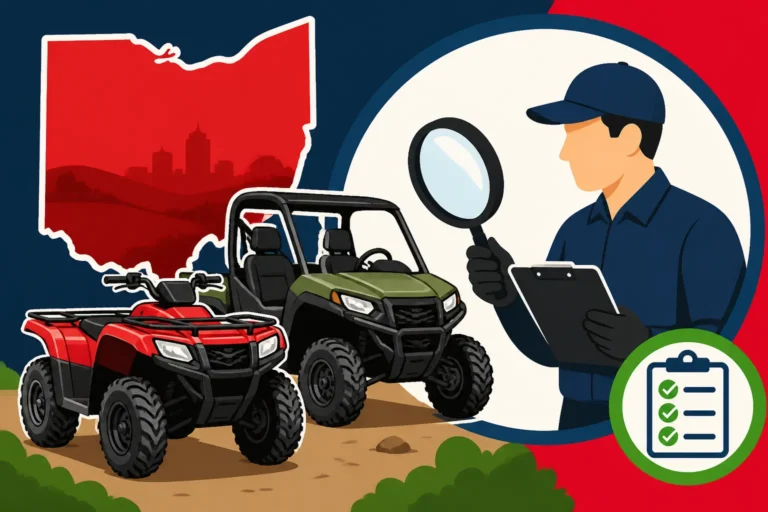
So you're an Ohio UTV owner, and you've probably dreamed of taking your machine beyond the trails, perhaps cruising down a quiet county road or simply getting to the next staging area without trailering. But then reality hits: Ohio law makes a distinction between UTVs and other off-road vehicles, especially when it comes to hitting the pavement. The big hurdle often involves an inspection, and it can be a real headache trying to figure out what exactly needs to be checked and why. This guide is here to clear up that confusion, explaining Ohio's UTV inspection requirements so you can confidently prepare your machine for road legality.
Why a UTV Needs an Inspection in Ohio
It's easy to assume all off-road vehicles are treated the same, but when it comes to Ohio roads, UTVs often fall into a unique category. This distinction is precisely why an inspection becomes a necessary step for UTV owners looking to expand their riding horizons. It's not just a hoop to jump through; it's a critical safety measure.
The Difference Between a UTV and Other APVs
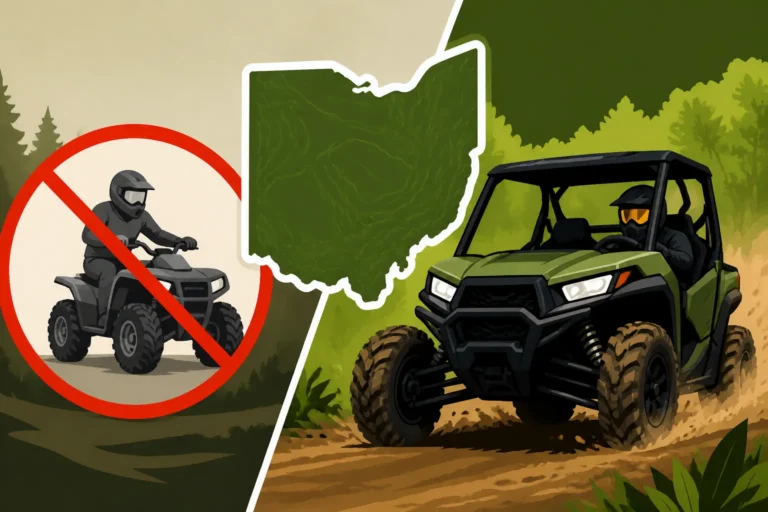
Ohio law uses the umbrella term "All-Purpose Vehicle" or APV for a wide range of off-road machines, from ATVs to dirt bikes and, yes, UTVs. However, the legal framework differentiates how these vehicles can interact with public roads. For most ATVs, road use is extremely limited, often restricted to crossing roads or riding on specific township or county roads that have passed a resolution to allow them. You can dive deeper into these definitions in [How Ohio Law Defines an APV].
UTVs, or "side-by-sides" as they're commonly known, are often seen as more similar to traditional cars, with their steering wheels, bench seats, and roll cages. Because of this, Ohio law provides a pathway for UTVs to be registered for limited road use, but it comes with a catch: they must meet certain safety and equipment standards, much like a street-legal car would. This is the fundamental reason why an inspection is mandated for UTVs seeking a road-legal plate, whereas a typical ATV generally bypasses this step because it's rarely intended for road use outside very specific circumstances.
The Purpose of the Inspection
The primary purpose of the Ohio UTV inspection is to ensure that your machine is safe and adequately equipped for operating on public roads, even if it's only for limited use. Think of it as a gatekeeper for public safety. Without an inspection, there would be no guarantee that a UTV venturing onto a county road has functional headlights, brake lights, or even a horn – all vital for preventing accidents with other vehicles and pedestrians.
This isn't just about protecting other motorists; it's also about protecting you and your passengers. The inspection verifies that essential safety features are present and working correctly, reducing the risk of a breakdown or accident due to equipment failure. It's the state's way of ensuring that while you get to enjoy the freedom of road riding, you do so responsibly and with a vehicle that won't unexpectedly become a hazard. Ultimately, passing this inspection is a foundational step, as highlighted in [Ohio's UTV Inspection Before Registration], before you can even think about getting a plate that signifies your UTV is ready for public thoroughfares.
What an Ohio UTV Inspection Covers
When you take your UTV in for an inspection in Ohio, you might feel like you're preparing for a full-blown car inspection. And in many ways, you are! The state wants to ensure that if your UTV is going to share the road with cars, trucks, and motorcycles, it has the same basic safety features. This means a thorough check of all the bells and whistles that make a vehicle road-worthy.
Essential Safety Equipment for Road Use
The bulk of the UTV inspection focuses on verifying that your machine has the necessary equipment to operate safely on Ohio roads. This isn't just a casual glance; the inspector will be meticulously checking each item off a list. First and foremost, lighting is crucial. Your UTV must have functional headlights with both high and low beam capabilities, taillights that are clearly visible from the rear, and working brake lights that illuminate when the brakes are applied. Beyond basic illumination, you'll absolutely need turn signals at both the front and rear of your machine, so other drivers can anticipate your movements. These are non-negotiable for road safety. If your UTV didn't come with them, many riders opt for aftermarket kits. Companies like SuperATV offer a range of universal and model-specific turn signal kits that are designed to help you meet these requirements.
Next up, you'll need at least one rearview mirror, though most riders find two (one on each side) to be far safer and more practical for road use. A functional horn is also a must, serving as a vital warning signal. If your UTV has an enclosed cab or even just a roof and a front windshield, that windshield must be made of safety glass and, if it covers the entire front view, it will require functional wipers. Seatbelts for all designated seating positions are also mandatory, as are proper tires that are in good condition and suitable for road travel. The inspector will also check your exhaust system to ensure it's not excessively loud and that a spark arrester is present to prevent wildfires. For a complete rundown, you'll find a lot of useful information in [Ohio UTV Road Equipment List] and [Ohio Equipment Rules for a UTV on a Road].
Document and VIN Verification
Beyond the physical equipment, the Ohio UTV inspection also involves a crucial administrative step: verifying your vehicle's identity. The inspector won't just be looking at your turn signals; they'll also be closely examining your UTV's Vehicle Identification Number (VIN) to ensure it matches the documentation you provide. This step is vital for preventing theft and ensuring that the machine being presented for inspection is legally yours and properly accounted for.
You'll need to bring your UTV's title or, if it's a brand-new machine, its Manufacturer's Certificate of Origin (MCO). The inspector will compare the VIN stamped on the UTV's frame with the number listed on your document. If there are any discrepancies, or if the VIN is obscured, damaged, or unreadable, your UTV will not pass the inspection. This could lead to a lengthy process of proving ownership or even render the UTV unregistrable for road use. It’s a moment of truth where your paperwork meets your metal, confirming your UTV's legitimate place in the system before it can earn its road-legal status.
Where and How to Get Your UTV Inspected
Navigating the inspection process might seem daunting, but once you know who performs the inspections and what to expect, it becomes much more manageable. It's a specific process that requires you to seek out the right professionals.
Who Performs the Inspection?
Unlike a basic vehicle emission test, UTV inspections for road-legal status in Ohio aren't done just anywhere. Typically, these inspections are performed by certified mechanics at licensed dealerships or by specific facilities authorized by the Ohio Bureau of Motor Vehicles (BMV). It's not something your buddy down the street with a wrench can do, even if they're a fantastic mechanic. These authorized inspectors have the training and the specific checklist to ensure your UTV meets all the state's requirements.
It's always a good idea to call your local BMV Deputy Registrar office or a large power sports dealer in advance to ask where you can get an inspection done. They can often provide a list of approved inspection stations or even perform the inspection themselves if they are an authorized facility. Remember, this is a distinct step from getting your title or registering your vehicle; it's the prerequisite that allows you to move forward with road registration. For more insights into the process, checking resources like [The Ohio BMV and All-Purpose Vehicles] can offer helpful context.
Preparing for the Inspection
Preparation is key to a smooth inspection process and avoiding frustrating re-inspections. Before you even load your UTV on the trailer, dedicate some time to a thorough self-inspection. Go through every item on the equipment list: headlights (both high and low beam), taillights, brake lights, front and rear turn signals, horn, mirrors, seatbelts, and tires. Make sure all lights are working, the horn gives a clear blast, and your mirrors are securely mounted and provide adequate visibility. If your UTV has a windshield, ensure it's clean and, if applicable, that your wipers function correctly. Many riders proactively install accessories like [Turn Signals and Mirrors on an Ohio UTV] or [Wipers and Glass on an Ohio UTV] well in advance.
Beyond the physical checks, gather all your paperwork. You'll need your UTV's title or MCO, and having any original purchase receipts can also be helpful, though usually not strictly required for the inspection itself. Ensure your VIN is clean, legible, and easily accessible on your UTV's frame. Addressing any deficiencies before you arrive for the inspection will save you time, money, and a second trip, making the whole experience much less stressful.
The Inspection Process and What to Expect
When you arrive at the designated inspection location, the process itself is fairly straightforward. An authorized inspector will take your UTV and systematically go through a checklist provided by the state. They will visually and functionally test each piece of required equipment. They'll flip switches, check lights, honk the horn, ensure seatbelts latch, and verify tire condition. They'll also carefully compare the VIN on your machine to your documentation. This is essentially what [What an Inspector Looks For] when you bring your UTV in.
If your UTV passes, the inspector will issue you a certificate or a signed form indicating compliance. This document is crucial, as you'll need it when you go to register your UTV for road use at the Deputy Registrar's office. If your UTV fails, the inspector will provide a list of deficiencies that need to be corrected. Don't be discouraged if this happens; it's quite common for owners to overlook a small detail. You'll then need to make the necessary repairs or additions – perhaps installing those turn signals or swapping out a cracked windshield – and schedule a re-inspection. Some common additions are detailed in articles like [Adding Turn Signals for an Ohio Inspection] and [Fitting Wipers to a Cab Machine]. Remember, the goal is safety, so take the feedback seriously and make sure your UTV meets all standards before hitting the roads.
Common Pitfalls and Tips for Success
Preparing your UTV for inspection can feel like a maze of regulations, and it's easy to miss a seemingly small detail that could lead to a failed inspection. Understanding these common pitfalls and having some practical tips can save you a lot of headache and ensure your UTV is road-ready without unnecessary delays.
Overlooked Equipment and Modifications
One of the most frequent reasons UTVs fail their Ohio inspection is due to overlooked or improperly modified equipment. Many riders upgrade their machines for off-road performance, but these modifications don't always translate to street legality. For instance, an aftermarket exhaust system that's too loud for state standards, or tires designed purely for mudding that aren't DOT-approved for road use, can be immediate red flags. Riders often forget about turn signals – while essential for road use, they're not always standard on every UTV model, leading to a scramble to install them. Similarly, a windshield might be great for deflecting trail debris, but if it's not made of safety glass or lacks wipers where required, it won't pass muster for road use.
Another common oversight is the rearview mirror situation. While one might suffice by law, many UTVs don't come standard with any, or only a small center mirror that might not meet the field of vision requirements. It's a good idea to anticipate these needs. For riders looking for compliant parts, browsing accessories from brands like SuperATV can be a good starting point, as they often offer DOT-approved mirrors, turn signal kits, and safety glass windshields specifically designed for UTVs. Addressing these items proactively before your inspection can make all the difference.
Understanding Local Ordinances
It’s absolutely critical to understand that passing your UTV inspection in Ohio and getting a road-legal plate is only half the battle when it comes to riding on public roads. Ohio law grants counties and townships the authority to decide whether they allow All-Purpose Vehicles, including UTVs, on the roads they maintain. This means that even with a perfectly inspected, plated, and insured UTV, you might not be able to ride it legally on every road in every part of the state.
Imagine the frustration: you’ve spent time and money getting your machine up to snuff, only to find out the roads near your favorite trails or even your own neighborhood aren’t open to UTVs. This patchwork of regulations can be incredibly confusing. It's essential to check with the specific county commissioners' office or township trustees' office where you intend to ride. They will have resolutions on file detailing which roads, if any, are open to APVs. For example, you might find that [Ohio Counties That Allow APVs on Roads] is a helpful resource, but always verify directly with local authorities. The inspection gets you the official stamp of approval for your machine, but the local ordinances dictate where you can actually use that approval on asphalt.
UTV Road Equipment Checklist for Ohio Inspection
| Item | Requirement | Notes |
|---|---|---|
| Headlights | White light, both high and low beam, visible from 500 feet | Must be functional and properly aimed. |
| Taillights | Red light, visible from 500 feet | Must be functional when headlights are on. |
| Brake Lights | Red light, illuminates when brakes applied, visible from 500 ft | Must be functional, distinct from taillights. |
| Turn Signals | Amber or white front, amber or red rear; functional | Front and rear required. |
| Horn | Audible from 200 feet | Must be functional. |
| Rearview Mirror | At least one, providing clear view of rear | Many prefer two for better visibility. |
| Windshield | Safety glass if full front, wipers if full coverage | Must be clear, unobstructed. Wipers for weather. |
| Seatbelts | For all designated seating positions | Must be functional and securely mounted. |
| Tires | DOT-approved for road use, good condition, adequate tread | No exposed cords, appropriate for vehicle weight. |
| Brakes | Fully functional service brake and parking brake | Must be able to stop vehicle effectively. |
| Exhaust System | Functional muffler, not excessively loud, spark arrester | Must meet state sound limits. |
| License Plate Light | White light to illuminate rear license plate | Plate must be clearly visible at night. |
| VIN Verification | Clear, legible VIN matching title/MCO | Essential for identification and ownership verification. |
| Reflectors | Red on rear, amber on front sides (if specified by local rule) | Check local ordinances for specific reflector requirements beyond lights. |
Disclaimer
This article is for general informational purposes only and does not constitute professional advice. Laws, prices and regulations vary by location and change over time. Consult a qualified professional for guidance on your specific situation.