Ohio Rules for a Machine Over 62 Inches
It's incredibly exciting to get a new all-purpose vehicle, whether it's a zippy ATV or a powerful side-by-side. But for many Ohio riders, that initial thrill can quickly turn into frustration when they realize their machine's dimensions, particularly its width, dictate where they can and cannot legally ride. This guide will help you understand Ohio's specific rules regarding machines over 62 inches wide, navigating the ins and outs of state forest trails, county and township roads, and private riding areas, so you can enjoy your wider machine without fear of fines or disappointment.
The Ohio State Forest Width Limit: What it Means for Your Wider Machine
One of the first places many Ohio riders dream of taking their machines is to the state's beautiful public forest trails. However, Ohio has a clear, long-standing rule that can be a real buzzkill for owners of many modern side-by-sides: the 62-inch width limit. This isn't just an arbitrary number; it's a practical measure designed to protect the integrity of the trails, prevent erosion, and ensure rider safety on routes that were often originally designed for narrower ATVs.
Why 62 Inches is the Magic Number
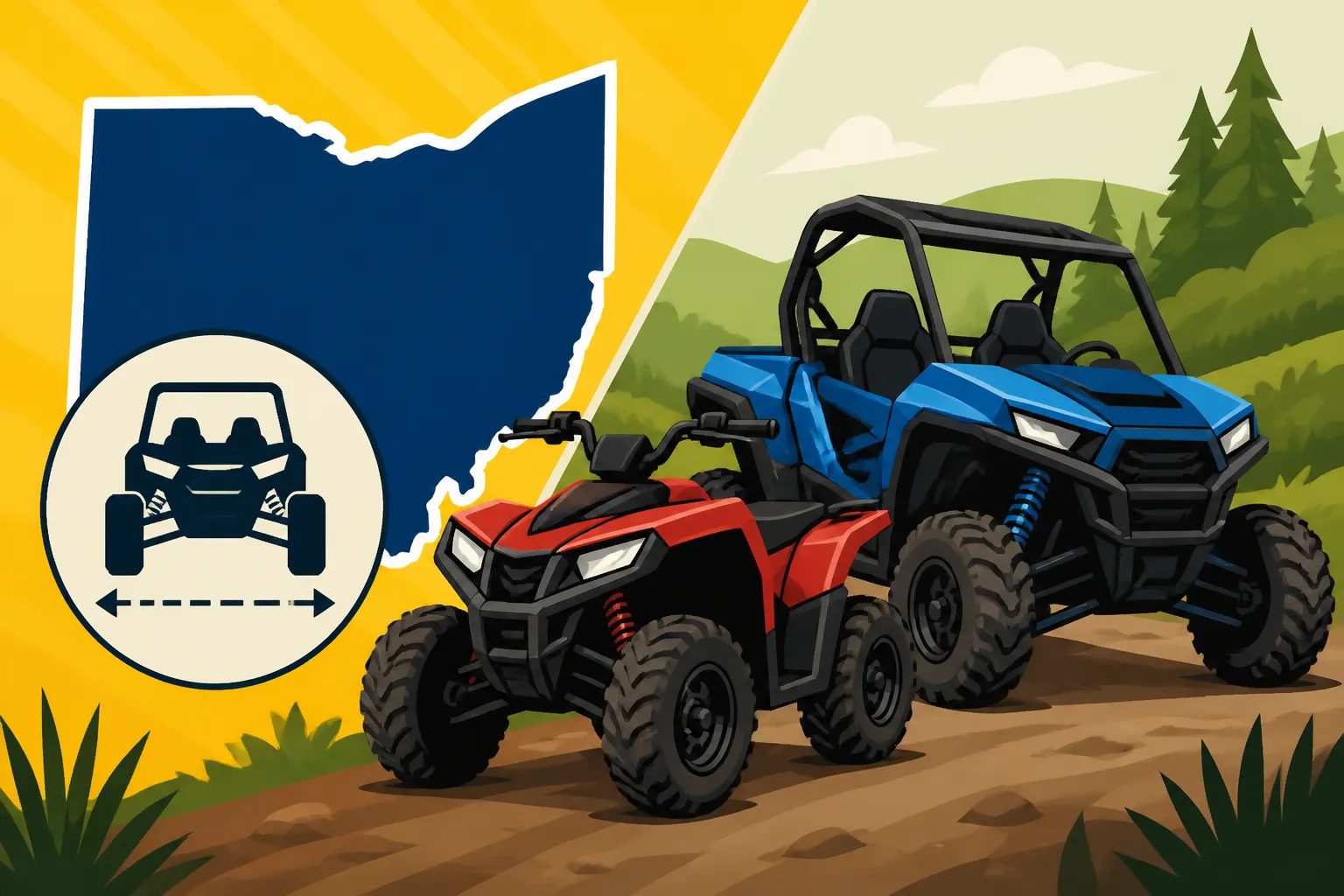
The 62-inch rule for Ohio's state forest APV trails (like those in Perry, Pike, and Richland Furnace State Forests, and parts of Wayne National Forest) is a hard limit. If your machine, measured from the widest point of its tires, is even an inch over this, it simply isn't allowed on those trails. This restriction is primarily due to the design of the trails themselves, which are often narrow, winding, and cut through dense forest. Wider machines can quickly chew up the edges, widen the trail beyond its intended path, and damage sensitive ecosystems. It's also a safety consideration; on tight turns or hills, a wider machine could struggle to maneuver safely within the trail's confines, potentially leading to accidents. Many riders find themselves measuring their shiny new side-by-side, only to realize that despite its compact appearance, it pushes past that crucial 62-inch mark, closing off a significant portion of the state's public riding land.
Common Machines Affected by the Limit
If you own a standard ATV, chances are you'll be well within the 62-inch limit, as most quads are designed to be narrower. The challenge primarily arises for side-by-sides, also known as UTVs. While some entry-level or "sport-utility" UTVs might sneak under the limit, many popular sport and utility models, especially those with independent suspension and wider stances for stability, easily exceed it. You might have seen machines with aftermarket lift kits or wider A-arms, perhaps from a brand like SuperATV, that look incredible. But it's crucial to remember that while these modifications enhance performance or appearance, they often push a machine further over the 62-inch barrier, making it even less likely to be allowed on state trails. Before you even load your machine onto the trailer, make sure you know its exact width. A quick measurement across the widest part of your tires (or track if you have tracks installed) is essential. If you're buying a used machine, don't just guess; bring a tape measure with you. Understanding [Ohio's 62-Inch State Forest Width Limit] is key to avoiding disappointment.
Where Wider Machines Can Legally Ride in Ohio
Just because your machine is over 62 inches doesn't mean your Ohio riding adventures are over before they begin. There are still plenty of fantastic opportunities to hit the dirt, you just need to know where to look. It often means exploring options beyond the state's main APV forest trails.
Private Riding Parks and Destinations
For many owners of wider side-by-sides, private riding parks are the absolute go-to. These parks, often operating on former strip mines or large tracts of privately owned land, don't typically adhere to the same width restrictions as state forests. They design their trails to accommodate a much broader range of machines, including those beastly 72-inch wide sport UTVs. This means you can often find trails that are challenging, scenic, and, most importantly, accessible for your specific machine. Many of these parks offer day passes or season memberships and provide amenities like camping, wash stations, and even rentals. They often have varied terrain, from wide-open tracks to technical rock crawls, making them perfect for riders who want to truly push their machines. [Ohio Private Trail Parks] are a booming part of the off-road scene precisely because they offer this flexibility. These venues are also excellent places to connect with other riders who share your passion for wider machines, perhaps even comparing notes on custom setups or aftermarket parts from companies like SuperATV.
Riding on Private Land with Permission
Another fantastic, and often overlooked, option for wider machines is riding on private property with explicit permission from the landowner. This could be a friend's farm, a family-owned woodlot, or even leased land. The beauty of private land is that the rules are set by the owner, not the state, meaning width limits are rarely an issue unless the landowner imposes them for their own reasons. This opens up possibilities for creating your own trails, setting up obstacle courses, or simply enjoying casual rides without the crowds you might find at public parks. Always remember, though, that landowner permission is absolutely non-negotiable. Riding on someone else's land without it is trespassing, which can lead to legal trouble and reflects poorly on the entire riding community. A polite conversation and perhaps a written agreement can save a lot of headaches down the line. If you're looking for information on [Ohio Rules for Riding Private Land], it all boils down to respect and asking first.
Farm Use and Agricultural Exemption
Ohio law also makes provisions for machines used primarily for agricultural purposes. If your wider UTV is a workhorse on a farm, whether it's hauling feed, checking fences, or transporting tools, its primary use can exempt it from some of the recreational registration rules. While this doesn't automatically mean you can drive it on any road or trail, it's an important distinction for many rural landowners. Often, machines used solely on private farm property don't even need to be registered with the state, as they aren't considered recreational vehicles in that context. However, if that farm machine ever leaves private property and enters public roads or designated trails, even briefly, it's crucial to understand the rules that then apply to its registration and road-worthiness.
Understanding Road Use for Wider Machines in Ohio
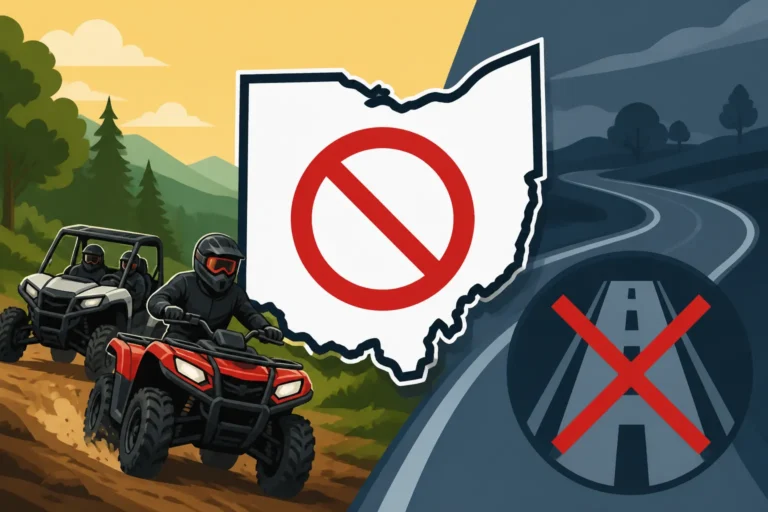
When it comes to hitting the pavement in Ohio with a wider machine, especially a side-by-side, the rules get a bit more nuanced than for trails. While statewide road legality for ATVs and UTVs is largely a dream in Ohio, many counties and townships have taken matters into their own hands, opening their local roads to these vehicles. The key is understanding which roads are open and what your machine needs to be compliant.
County and Township Roads: Local Control is Key
Unlike state routes or interstates, which remain closed to APVs and UTVs statewide, many Ohio counties and townships have the authority to pass resolutions or ordinances allowing these machines on their local roadways. This is where your wider UTV might find its true calling beyond private land. These local decisions are not universal; one township might embrace APV road use, while its neighbor might strictly prohibit it. It’s a patchwork system, which can be frustrating, but it does offer opportunities. The general rule of thumb is that if a county or township opens its roads, it's typically for machines traveling at a maximum speed (often 35 mph) and equipped with specific safety features. This is why it's absolutely critical to research the specific regulations for the area you plan to ride in. You can't just assume; you need to find out if [Ohio Rules for Riding a County Road] or [Ohio Rules for Riding a Township Road] apply to your route. Often, checking with the county commissioners' office or the township trustees' office directly is the best way to get accurate, up-to-date information.
What Makes a UTV Road-Legal (Beyond Width)
If you're lucky enough to live in or visit an Ohio county or township that has opened its roads to UTVs, your wider machine still needs to meet certain equipment requirements to be considered "road-legal." This is where the width of your machine often becomes less of an issue, and its other features take center stage. Generally, UTVs need to mimic many of the safety features of a standard automobile, including:
- Headlights and Taillights: Must be fully functional and properly aimed for night driving. [Ohio Lighting Requirements for APVs] are important here.
- Turn Signals: Both front and rear, to clearly indicate your intentions to other drivers.
- Brake Lights: Essential for signaling when you're slowing down or stopping.
- Horn: A working horn is a must for alerting others.
- Mirrors: Typically, at least one rearview mirror, often a left-side mirror, and sometimes a right-side mirror, depending on local ordinances. Companies like SuperATV offer a wide range of mirrors, from roll-cage mounted options to more traditional windshield-mounted styles, to help you meet these requirements.
- Windshield: While not always required for ATVs, many road-legal UTV ordinances specify a windshield, and it often needs to be safety glass.
- Wipers: If a windshield is required, wipers are usually a given.
- Seatbelts: For all occupants, and they must be worn.
- Tires: Must be DOT-approved, meaning they are designed for road use.
- Muffler: Must be in good working order and meet sound limits. [Ohio Muffler Requirements for APVs] are in place to keep noise pollution down.
Beyond the machine itself, the driver also needs to be compliant. This typically means having a valid driver's license and proof of insurance. It's also worth noting that while these requirements are extensive, UTVs usually do have to pass an inspection before they can be registered for road use, unlike ATVs. This inspection is to ensure all the required safety equipment is present and functioning. Familiarize yourself with the [Ohio UTV Road Equipment List] and the [Ohio UTV Inspection Requirements] before you even think about hitting a public road.
The Implications of Riding an Over-Width Machine Illegally
Riding a machine that exceeds Ohio's width restrictions on designated trails, or riding it on unauthorized roads, isn't just a matter of breaking a rule – it carries real consequences, both legal and practical. It’s about more than just a ticket; it's about protecting yourself, others, and the trails we all love.
Fines and Citations
The most immediate consequence of riding an over-width machine where it's not permitted is a citation. Law enforcement officers, whether it's a park ranger, a sheriff's deputy, or a state trooper, are well aware of the regulations. Fines for operating an unregistered or illegally equipped APV/UTV can vary, but they are rarely cheap and can quickly add up, especially if other violations (like operating without a helmet, if required, or speeding) are tacked on. Imagine planning a weekend trip to a state forest, driving hours, unloading your machine, only to be stopped at the trailhead and told your side-by-side is too wide, resulting in a fine and a wasted trip. It’s a frustrating scenario, but one that is easily avoidable with proper research. Ignorance of the law is not an excuse, and an officer will still issue a ticket if your machine is over the [Ohio's 62-Inch State Forest Width Limit] on a forest trail.
Trail Damage and Environmental Impact
Beyond the personal legal ramifications, riding an over-width machine on a narrow trail causes significant environmental damage. Trails are carefully constructed and maintained to handle specific types of traffic and widths. When a wider machine tears up the edges, it can lead to:
- Erosion: Widened trails become channels for water, accelerating erosion and washing away precious topsoil, especially on hills.
- Habitat Destruction: Expanding the trail encroaches on surrounding vegetation, disturbing wildlife habitats.
- Increased Maintenance Costs: Trail crews have to spend more time and resources repairing damage caused by improper use, diverting funds from new trail development or other critical maintenance.
As a community of riders, we all have a responsibility to be good stewards of the land, whether it's public or private. Adhering to width limits helps preserve these valuable resources for future generations.
Safety Concerns for Riders and Others
While a wider stance can offer stability on certain terrain, forcing an over-width machine onto a trail designed for narrower vehicles can create serious safety hazards. On tight turns, through narrow gaps, or along steep banks, a machine that's too wide might lose traction, scrape against obstacles, or even roll over. It also increases the risk of collisions with other riders, hikers, or even trees. When you encounter a deputy or a park ranger roadside, they are not just checking for registration; they are ensuring your machine is safe for the environment you are in. Being aware of [What an Ohio Deputy Checks Roadside] can save you from an unexpected citation. The general takeaway here is to always know [Why a Wide Machine Limits Where You Ride in Ohio] and plan your adventures accordingly, whether you're out on a quick day trip or a multi-day excursion.
| Riding Area Type | Max Width Limit (Typical) | Road Use Allowed? | Special Requirements |
|---|---|---|---|
| Ohio State Forest APV Trails | 62 inches | No | Ohio APV Plate, Helmet |
| Private Riding Parks | Varies by park (often none) | No (within park) | Park Pass/Fee, Rules by Park |
| Private Land (w/permission) | None | No (unless on private roads) | Landowner permission |
| Ohio County/Township Roads | Varies by Resolution | Yes (if resolution passed) | Driver's License, Insurance, Specific Equipment |
| Ohio State Routes/Interstates | Prohibited | No | Not applicable |
Disclaimer
This article is for general informational purposes only and does not constitute professional advice. Laws, prices and regulations vary by location and change over time. Consult a qualified professional for guidance on your specific situation.