Crossing a Two-Lane Safely
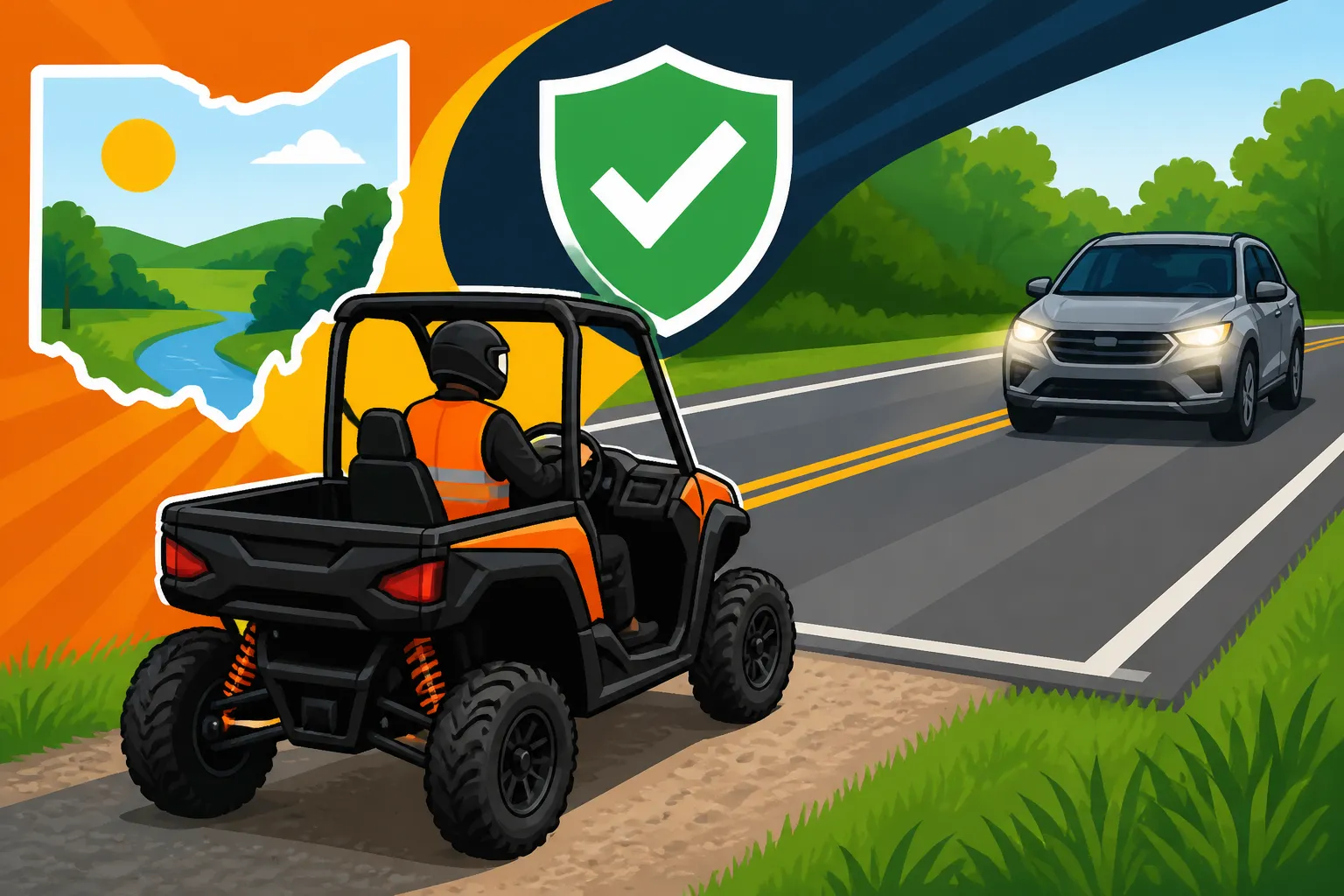
It's an undeniable truth for any off-road enthusiast in Ohio: sometimes, to get from one fantastic trail system to another, or even just from your driveway to a local permitted road, you have to navigate the asphalt jungle. And for many of us, that can feel like the most intimidating part of the entire ride. This guide is all about tackling one of the trickiest parts of that journey: safely and confidently crossing a two-lane road on your All-Purpose Vehicle (APV), whether it's an ATV or a side-by-side.
Understanding Ohio's APV Road Rules Before You Cross
Before you even think about putting tires on pavement, it's absolutely crucial to understand the legal landscape for APVs in Ohio. This isn't just about common sense; it's about staying within the bounds of the law and ensuring your safety. Ohio law is very specific about [Where Ohio Law Allows APVs on Roads], and these rules directly impact where and how you can cross.
Local Ordinances Dictate Access
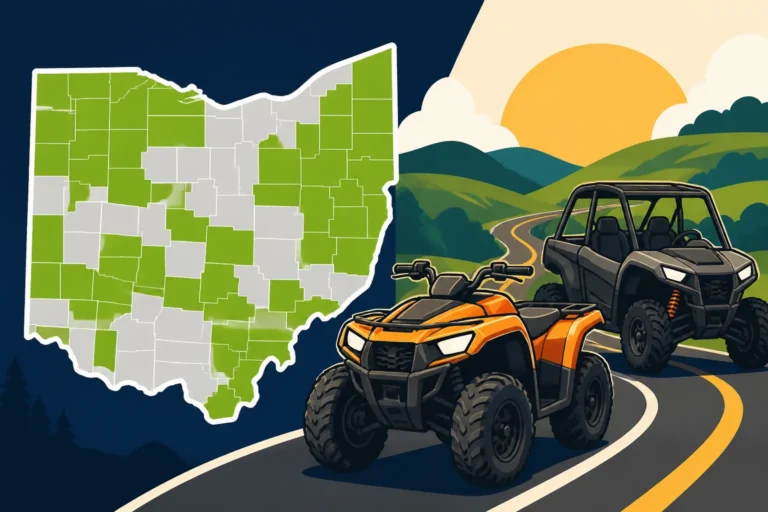
The biggest hurdle for APV riders looking to use roads in Ohio is that there's no blanket statewide permission for road use. Instead, individual counties and townships have the power to open their roads to APVs through local resolutions. This means that what's perfectly legal in one township could get you a citation just across the county line. You might be able to ride your side-by-side down a county road in Washington County, thanks to a specific resolution, but then hit a wall of illegality if you try the same thing in a neighboring jurisdiction. Knowing [How an Ohio County Opens Its Roads] or [How an Ohio Township Opens Its Roads] is your first step. Always check with the local township trustees or county commissioners' office to confirm current regulations. Some areas explicitly allow APV use on roads posted at 35 MPH or less, while others might have different rules entirely. It’s a patchwork system, and it requires diligence on your part.
The Distinction Between Crossing and Riding
It's also important to understand that there can be a legal difference between riding on a road and simply crossing a road. Even if a particular road isn't open for extended APV travel, there might be provisions allowing you to cross it to access another trail or a permitted road section. However, this is not a universal right. Some local ordinances are very precise about what's allowed. For instance, you might be allowed to travel "adjacent to" a road on the berm, but only cross at intersections. Always double-check the specific wording of any resolution that applies to your riding area. This nuance is critical, as misinterpreting the law could lead to fines or worse. A quick call to the local sheriff's department or township clerk can save you a lot of headache.
Preparing Your Machine and Yourself for the Crossing
Once you've confirmed that a road crossing is permissible, it's time to get your machine and your mindset ready. Road crossings, even quick ones, demand a different level of attention and preparation than trail riding. You're entering an environment where vehicles are often traveling at high speeds, and visibility is paramount.
Essential Equipment for Road Use and Crossings
While Ohio doesn't require an inspection for ATVs used on roads, it does have specific [Ohio Equipment Rules for an APV on a Road] if you plan to traverse public ways. Even for just a quick crossing, it's wise to ensure your machine is as visible and controllable as possible. This includes:
- Proper Lighting: Your headlights and taillights need to be functional and bright. If you have auxiliary lights, consider using them for increased daytime visibility, especially when approaching the road. Products from brands like SuperATV can offer robust lighting solutions that improve your presence on the road.
- Mirrors: While not always explicitly required for all APVs simply crossing a road, having at least one rear-view mirror is a huge safety asset. It allows you to check traffic without craning your neck, keeping your focus forward as you approach the crossing.
- Brakes: It goes without saying, but your brakes must be in excellent working order. You need to be able to stop quickly and confidently if an unforeseen situation arises.
- Tires: Ensure your tires are properly inflated and in good condition. While knobby tires are great for mud, they can feel a bit squirrely on pavement, especially if worn.
- Horn: A working horn is invaluable for communicating with other drivers if they somehow miss your presence.
| Safety Item | Why It's Important |
|---|---|
| Working Headlights | Essential for seeing and being seen, especially in low light or adverse weather. |
| Functional Taillights | Makes your APV visible from the rear, crucial for drivers approaching from behind. |
| Rear-view Mirrors | Allows you to monitor traffic without turning, keeping your eyes on the path ahead. |
| Strong Brakes | Critical for immediate stops and controlled deceleration when assessing traffic. |
| Audible Horn | Facilitates communication with other motorists in unexpected situations. |
| Reflective Gear | Boosts your personal visibility to other drivers, day or night. |
| DOT-Compliant Helmet | Mandatory in many situations, and always a good idea for head protection. |
Rider Preparation and Awareness
Beyond your machine, your own readiness is key. Make sure you're wearing appropriate gear, including a [Ohio Helmet Law for APV Riders] compliant helmet and eye protection. Having your [Ohio Driver's License Rules for APVs] and [Ohio APV Registration and Insurance Proof] handy is also crucial, as you may be stopped and asked to present them.
- Stay Alert: Avoid distractions. No checking your phone, no messing with gear. All your attention needs to be on the road, traffic, and your surroundings.
- Plan Your Crossing: Look at the map or physically scout the area if possible. Know exactly where you plan to enter and exit the road. Don't be surprised by an unexpected curve or blind spot.
- Communicate Intent: If riding with a group, ensure everyone understands the crossing procedure. Hand signals can be useful if not all machines have turn signals.
Executing the Safe Two-Lane Road Crossing
Now for the main event. Crossing a two-lane road requires a systematic approach, focused on observation, timing, and decisive action. There's no room for hesitation or second-guessing once you commit.
Approaching the Road and Assessing Traffic
As you approach the edge of the two-lane road, slow down significantly. Come to a complete stop if necessary, even if you think you have a clear shot. This gives you time to really take in the situation.
- Stop and Look: Just like your mom taught you, "Look left, then right, then left again." Pay close attention to traffic coming from both directions. Don't just glance; actively search for headlights, taillights, and the outlines of vehicles. Remember, APVs are smaller and often less visible than cars.
- Listen Actively: Roll off the throttle and listen. Can you hear approaching vehicles that you might not yet see, perhaps around a bend or over a hill? The sound of an engine can alert you to traffic before it's visually apparent.
- Identify Safe Gaps: This is the critical step. You need a gap in traffic that is more than sufficient for you to accelerate, cross both lanes, and clear the roadway entirely. Do not underestimate the speed of oncoming vehicles. What looks like a safe gap for a quick-accelerating car might be a risky one for an APV, which typically accelerates slower and has a lower top speed. When assessing a Crossing a Two-Lane Safely scenario, think conservatively.
- Consider Road Conditions: Is the pavement wet, sandy, or icy? These conditions can affect your traction and braking, making acceleration and stopping less predictable. Adjust your timing and caution accordingly.
The Crossing Maneuver
Once you've identified a clear, safe window, it's time to execute the crossing. This should be a quick, direct, and confident movement.
- Signal Your Intent: If your APV has turn signals, use them to indicate which way you intend to go once you've crossed. If not, a clear hand signal is appropriate. Make eye contact with any approaching drivers if possible, even if they're far away, to ensure they see you.
- Accelerate Smoothly and Decisively: When the path is clear, accelerate firmly and directly across both lanes. Don't creep; move with purpose. The goal is to minimize the time you spend in the active travel lanes. Keep your steering straight and focused on your exit point on the other side.
- Continue to Monitor: Even as you accelerate, keep scanning left and right for any unexpected changes in traffic. A distracted driver could veer, or another vehicle might appear suddenly.
- Clear the Roadway: Get completely off the paved surface of the road as quickly and safely as possible. Don't linger on the shoulder. Once you're clear, you can then reassess your next move, whether that's continuing on an open road, turning onto another trail, or riding the berm. Remember the rules for [Riding the Berm Beside an Ohio Lane] – it's not always allowed.
What to Do If There's No Safe Gap
Sometimes, traffic is just too heavy, or visibility is too poor to make a safe crossing. In these situations, patience is not just a virtue; it's a lifesaver.
- Wait It Out: Pull well off the road, preferably in a visible, safe spot where you won't obstruct traffic. This might mean pulling into a field entrance, a wide shoulder, or a gravel lot. If you're on a trail leading directly to the road, ensure you're far enough back that you're not visible to oncoming traffic until you're ready to make your move.
- Find an Alternative: If the waiting game seems endless, consider if there’s another, safer way to reach your destination. Is there a less-traveled road nearby? Can you adjust your route to avoid this specific crossing altogether?
- Signal for Help (Last Resort): In an emergency or if you're truly stuck and traffic is relentless, you might consider asking a passenger or another rider to help signal. However, this carries its own risks and should only be done if absolutely necessary, and only with extreme caution by someone clearly visible and aware of traffic.
Crossing two-lane roads on your APV in Ohio is a skill that comes with practice and a healthy respect for the dangers involved. By understanding the legal framework, preparing your machine and yourself, and executing a methodical crossing strategy, you can confidently and safely navigate these necessary transitions between trails and open roads. For further insights on how to stay safe while sharing the road, you might also want to look at [Ohio Rules for Riding Off and Alongside an Ohio Road] or [Ohio Fines for Illegal APV Road Use].
Disclaimer
This article is for general informational purposes only and does not constitute professional advice. Laws, prices and regulations vary by location and change over time. Consult a qualified professional for guidance on your specific situation.