Riding a Farm Lane Without Permission
There's nothing quite like the open air and the rumble of your ATV or UTV as you explore new terrain. It's easy to look at a winding farm lane or an old logging road that seems unused and think, "What's the harm in just a quick spin?" But for us Ohio riders, that casual thought can lead to some pretty serious headaches. This guide is all about helping you understand the very real legal boundaries surrounding riding on private property in our state, specifically those seemingly inviting farm lanes, and why getting permission isn't just a suggestion—it's absolutely essential.
The Legal Landscape of Private Land Riding in Ohio
Ohio has some beautiful rural areas, full of those quiet, dusty lanes that look like they're just begging for an off-road adventure. However, appearances can be incredibly deceiving. That "unused" lane often leads to someone's home, fields, or hunting grounds, and riding on it without permission can quickly turn a fun outing into a legal nightmare. It's a critical distinction to make: unless a path is clearly marked as a public trail or you have explicit permission, it's considered private property.
Many riders, especially those new to the sport or visiting from out of state, might not fully grasp the implications. They might assume that if there's no gate or "No Trespassing" sign, it's fair game. This is a common misconception and one that can land you in serious trouble. The responsibility lies with the rider to know the land status and respect property lines.
Ohio's Trespass Laws and APVs
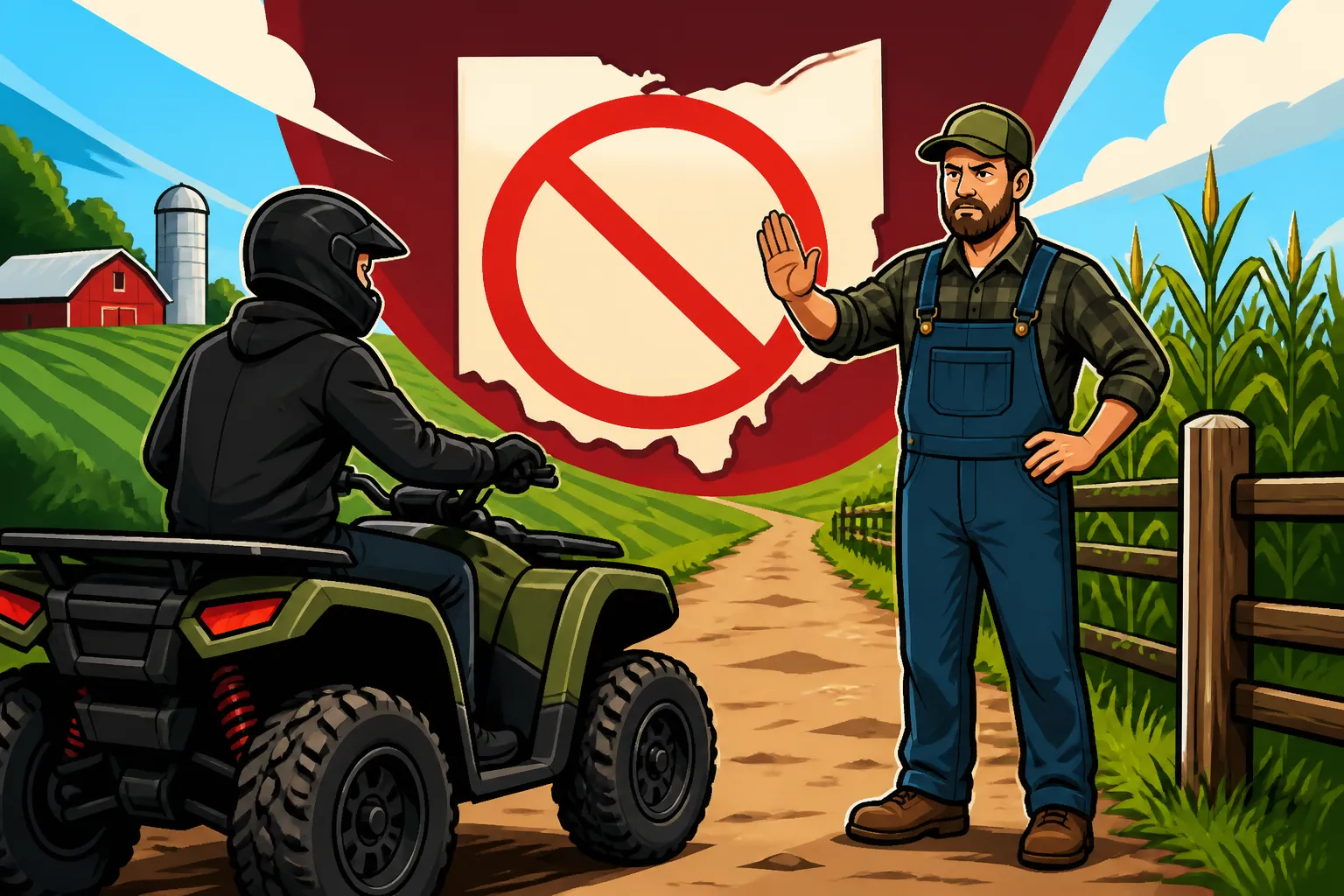
Ohio law is pretty clear when it comes to trespassing. Generally speaking, if you're on someone else's land without their permission, you're trespassing. This isn't just a polite request; it's a legal expectation. For us ATV and UTV riders, this means any farm lane, field, wooded area, or even what looks like an abandoned property is off-limits unless you have secured the proper authorization.
The legal definition of trespass often involves knowingly entering or remaining on someone else's property without privilege or consent. And yes, "privilege" doesn't just mean a general right to roam; it's usually tied to ownership, tenancy, or specific permission. If you're caught riding on private land without that critical consent, you could be facing misdemeanor charges right off the bat. It's not a minor infraction in the eyes of the law, and repeat offenses can escalate the penalties. You can read more about the specifics in [Ohio Trespass Law and Off-Road Riders].
What Constitutes "Private Land" in Ohio?
In Ohio, "private land" is pretty much any property that isn't publicly owned and designated for recreational use, like a state forest trail system, or a legally opened county or township road. This includes active farms, residential properties, timberlands, leased hunting grounds, and even vacant lots. A farm lane, by its very nature, is almost always private. It exists for the farmer's use, to access fields, barns, or other parts of their operation.
It's not always obvious where private land begins and public land ends, especially in rural areas where boundaries might not be clearly fenced or marked. This is why due diligence is so crucial for riders. Relying on an assumption that "it looks abandoned" or "there are no signs" is a risky gamble. Even an old, overgrown road that hasn't seen a vehicle in years could still be legally owned by someone and considered private property.
Understanding "Permission" and Its Importance
The word "permission" sounds simple enough, but when it comes to riding your APV on someone else's property, there's a right way and a wrong way to go about it. Simply waving to a landowner from the road and assuming that means you're good to go is a dangerous misunderstanding. Formal, clear permission is your best defense against accusations of trespassing and helps build trust within the riding community.
Landowners have a lot on their minds, from farming operations to personal liability. When you approach them respectfully and understand their concerns, you're far more likely to get a "yes" than if you just show up unannounced on their land. Remember, their property is their livelihood and their sanctuary.
The Difference Between Implied and Expressed Permission
This is where many riders get into a sticky situation. Implied permission is often interpreted from actions or lack thereof – for example, if a gate is always open, or if other people seem to ride there without issue. However, in legal terms, implied permission is a very weak defense and rarely holds up if a landowner decides to press charges. They might have left a gate open for cattle, or those other riders might also be trespassing. You can't rely on assumptions.
Expressed permission, on the other hand, is clear, direct, and ideally, in writing. This means having a direct conversation with the landowner, where they explicitly state that you are allowed to ride on their property, where you can ride, and during what times. This leaves no room for doubt or misinterpretation. When seeking [Ohio Landowner Permission Requirements], always aim for expressed, unambiguous consent.
How to Properly Obtain Permission
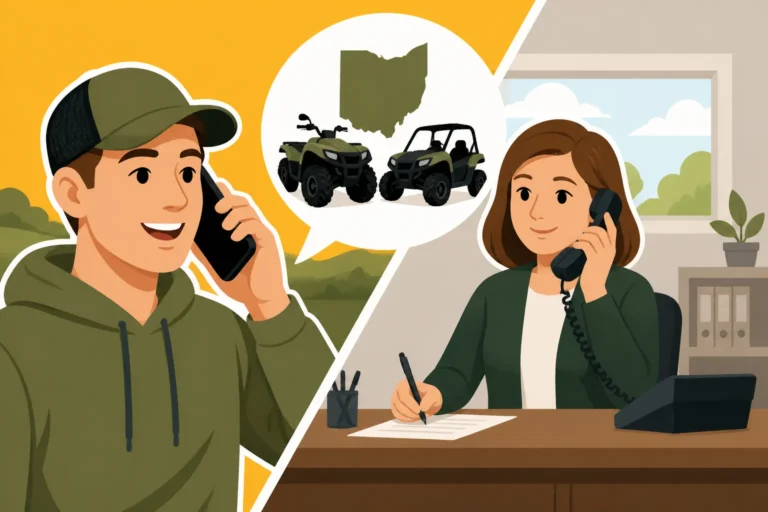
The best way to get permission is to directly ask the landowner. This might seem obvious, but many riders shy away from it. Knock on their door, introduce yourself, explain your interest in riding your ATV or UTV, and be prepared to discuss specifics. Show them you're responsible and respectful. If you're outfitting your machine with quality accessories, maybe some heavy-duty protection from SuperATV, mention that you take pride in your machine and how you ride it.
Here are some tips for asking:
- Be respectful and polite: A good first impression goes a long way.
- Clearly state your intentions: Explain what you want to do (e.g., ride your UTV on the farm lane).
- Specify where and when you want to ride: Don't just ask to ride "anywhere." Point to the specific lane or area.
- Offer to share contact information: Give them your phone number and ask for theirs.
- Discuss liability: This is often a major concern for landowners. You might offer to sign a waiver or show proof of insurance.
- Ask about rules: Inquire about speed limits, times of day, specific trails to use or avoid, and whether they have any crops or livestock to protect.
- Get it in writing: This is the gold standard. A simple written note signed by the landowner, stating the permission, date, and specific terms, can save you a world of trouble. This is especially important if you are riding on [Posted Land in Ohio].
Consequences of Trespassing on an Ohio Farm Lane
Thinking you can just "get away with it" is a dangerous mindset. The consequences of riding without permission on an Ohio farm lane can range from minor inconvenience to severe legal and financial repercussions. It's not just about a possible citation; it's about damaging relationships with landowners, risking your machine, and potentially facing civil lawsuits.
I've heard stories from other riders who thought they were just having a bit of harmless fun, only to find themselves explaining their actions to a sheriff's deputy or facing a hefty bill for property damage. It's just not worth the risk when a polite conversation could have prevented it all.
Legal Ramifications: Fines, Charges, and Civil Suits
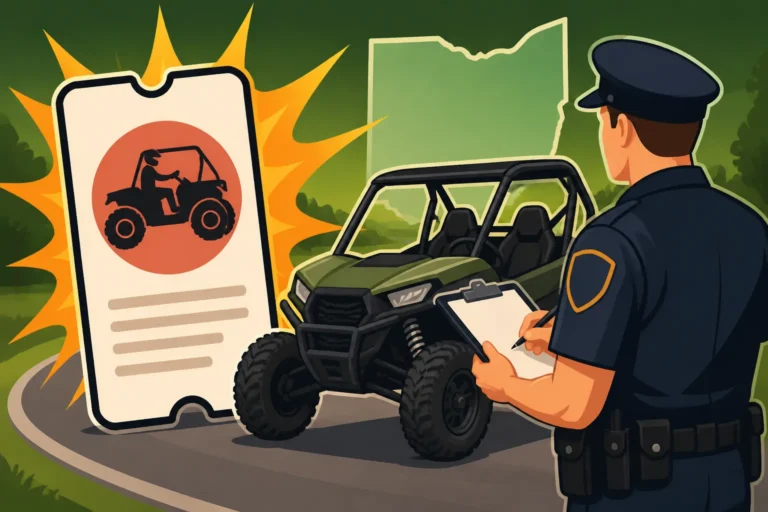
Trespassing on private land in Ohio, even without malicious intent, is typically a misdemeanor offense. A first offense might be a relatively minor fine, but subsequent offenses can lead to higher fines, and even jail time in some cases. It's not the kind of thing you want on your record.
But the legal troubles don't stop there. Beyond criminal charges, a landowner also has the right to pursue civil action against you. If your APV damages their property—whether it's tearing up a lane, damaging fences, or disturbing crops—they can sue you for the cost of repairs and any lost income. Imagine if you accidentally drove through a field of newly planted soybeans; the cost could be astronomical. You could also be held liable if someone else (like a child or another rider) is injured because of your presence on the land, even if it wasn't directly your fault. This is why landowners are so cautious, and why you should be too. While [Ohio Fines for Illegal APV Road Use] primarily refers to public roads, trespass fines can add up quickly on private land.
Practical Dangers and Damage to Reputation
Beyond the legal and financial aspects, there are practical dangers and a significant risk to your reputation as a responsible rider. Farm lanes can have hidden hazards like irrigation pipes, livestock, electric fences, or equipment that you wouldn't expect on a public trail. You could easily get injured or damage your machine, possibly even needing parts from SuperATV if you really wreck something. Moreover, you could spook livestock, disturb nesting wildlife, or interfere with ongoing farm work, creating a dangerous situation for yourself and the landowner.
Then there's the damage to the riding community's reputation. When one rider acts irresponsibly, it reflects poorly on all of us. Landowners who've had negative experiences with trespassers are far less likely to grant permission to anyone else, even those who approach respectfully. This makes it harder for everyone to find legal and enjoyable places to ride, effectively closing off potential riding areas for years to come.
Best Practices for Riding on Private Land in Ohio
So, how do we ensure we're riding responsibly and legally when it comes to private land in Ohio? It boils down to a few key principles: always ask, respect the land, and know your alternatives. There are plenty of fantastic places to ride in Ohio without having to sneak onto someone else's property.
Remember, the goal is to enjoy our sport without causing harm or breaking laws. Being a good ambassador for ATV and UTV riding means making smart, ethical choices every time we get on our machines. For more guidance on specific property types, check out [Riding Private Ground in Ohio].
Always Ask, Always Verify
This cannot be stressed enough: always ask for permission. Never assume. If you're not absolutely certain that a piece of land is public and designated for APV use, assume it's private and seek permission. Even if you've been granted permission in the past, it's a good practice to re-verify, especially if time has passed or if there's been a change in land ownership.
When asking, make sure you understand the exact boundaries of where you're allowed to ride. A simple map marked with the approved routes can be incredibly helpful for both you and the landowner. This protects everyone involved and ensures there are no misunderstandings down the line. It's a small effort that yields immense peace of mind.
Respecting the Land and Landowner
Once you have permission, it's paramount to respect the landowner's wishes and their property. Stick to the agreed-upon routes, observe any speed limits or time restrictions, and leave no trace. This means packing out everything you pack in, avoiding litter, and being mindful of noise levels. If you've upgraded your exhaust system, ensure it's still respectful of the quiet nature of a farm.
Treating the land better than you found it is an excellent way to show appreciation and increase the chances of getting permission again in the future. Remember, you're a guest. Showing genuine care for their property goes a long way in building a positive relationship with landowners, which is invaluable for the riding community.
Here's a quick reference on what to do and what to avoid:
| Action | Description | Impact |
|---|---|---|
| Always Ask | Directly approach landowner for explicit, written permission. | Legal riding, builds trust, avoids fines and legal action. |
| Respect Boundaries | Stick to agreed-upon trails/lanes; don't venture into fields or unapproved areas. | Prevents property damage, protects crops/livestock. |
| Leave No Trace | Pack out all trash, avoid disturbing natural environment. | Maintains landowner's property value, enhances rider reputation. |
| Be Courteous | Ride quietly, yield to others, be mindful of farm operations. | Fosters positive relationships, increases likelihood of future access. |
| Never Assume | Do not ride based on open gates, lack of signs, or others' actions. | Prevents trespassing charges, reduces risk of accidents. |
| Avoid Damage | Drive carefully to prevent ruts, fence damage, or crop destruction. | Avoids civil lawsuits and costly repairs. |
Exploring Legal Riding Alternatives
If you can't get permission for a specific farm lane or piece of private property, don't despair! Ohio offers some fantastic legal alternatives for ATV and UTV riders. Instead of risking a trespass charge, explore dedicated riding areas.
- Ohio State Forests: Our state forests, such as Monday Creek in the Wayne National Forest or other specific trails mentioned in [Ohio's Four State Forest APV Areas], provide miles of challenging and scenic riding. These are managed specifically for off-highway vehicles and are a great option. Just make sure your machine meets the width limits, especially if you have a wider side-by-side that might benefit from a lift kit or wider stance from SuperATV.
- Wayne National Forest: For a more extensive experience, the Wayne National Forest boasts several systems, as detailed in [Wayne National Forest's Three Ohio Systems]. These often require a permit, but it's a small price to pay for legal, well-maintained trails.
- Private Riding Parks: Ohio has a growing number of private, pay-to-ride parks. These venues often offer diverse terrain, from mud pits to rock crawling, and are specifically designed for off-road enthusiasts. While there's a [Ohio ATV Park Day Rates], it's a safe and legal way to enjoy your machine without worrying about property lines.
Exploring these options not only keeps you on the right side of the law but also supports the infrastructure that makes off-road riding in Ohio so enjoyable. So, before you eye that tempting farm lane, consider the alternatives and ride smart, ride safe, and ride legally!
Disclaimer
This article is for general informational purposes only and does not constitute professional advice. Laws, prices and regulations vary by location and change over time. Consult a qualified professional for guidance on your specific situation.