What If the Supervising Parent Has No Driver’s License?
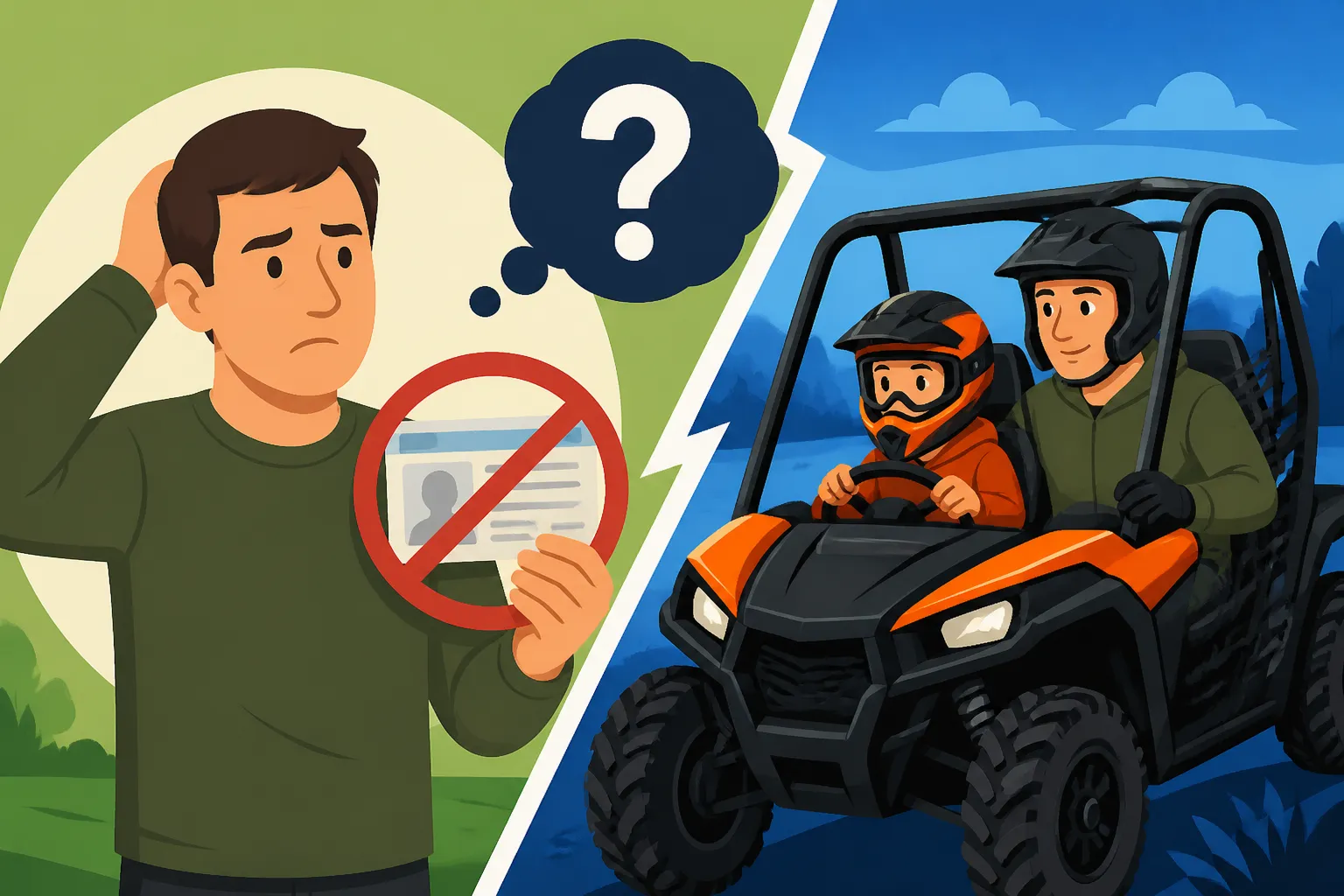
It's a question many parents, grandparents, and guardians grapple with: you want to share the thrill of off-road riding with a young one in Ohio, teaching them the ropes on an ATV or UTV, but you, the supervising adult, don't hold a valid driver's license. This can feel like a confusing hurdle, leaving you wondering if you're even allowed on the trails. This guide will clarify Ohio's rules surrounding adult supervision for minor APV riders, specifically addressing situations where the supervising adult might not have a driver's license, so you can ride safely and legally.
Understanding Ohio's Supervision Requirements for Minor Riders
Navigating the world of off-road vehicle laws can sometimes feel like trying to untangle a knotted fishing line, especially when it comes to rules for younger riders. Ohio has specific guidelines in place to protect minors and ensure their safety while operating all-purpose vehicles (APVs), which include ATVs and UTVs. A big part of these rules revolves around who is allowed to supervise them. It’s not just about being physically present; it often involves certain legal prerequisites for the adult in charge.
The Basics of Ohio's APV Laws for Youth
Ohio law, like many states, recognizes that operating an APV requires a certain level of maturity, judgment, and skill. Because of this, riders under a specific age often can't ride alone or on certain types of terrain. Generally, there's a minimum age for operating an APV, and anyone below that age must be supervised. This isn't just a suggestion; it's a legal requirement designed to prevent accidents and ensure that new riders learn good habits under watchful eyes. The exact age requirements and supervision stipulations can vary slightly depending on where you plan to ride. For instance, state-managed trails might have different rules than private land or locally opened roads. It’s crucial to understand these distinctions before you even load up the machine, as overlooking them could lead to fines or, worse, an unsafe situation. You can find more details in our guide on [Ohio Minimum Age to Ride an APV].
The Role of a Licensed Adult on Ohio Trails
When Ohio law talks about "supervision" for minor APV riders, it often specifies that this supervision must come from a "licensed adult." This isn't just any adult over 18; it typically means someone who holds a valid driver's license. The thinking behind this is pretty straightforward: a driver's license is generally seen as proof that an individual has demonstrated a basic understanding of traffic laws, has some experience operating a motor vehicle, and can exercise good judgment. These are all qualities deemed important when overseeing a minor who is learning to operate a potentially powerful machine. On official state trails, such as those within Ohio's state forests or the Wayne National Forest, this requirement is usually quite strict. They want an adult present who can not only physically intervene if necessary but also provide knowledgeable guidance and set a good example.
Why a Driver's License Matters (and When It Doesn't)
So, why the emphasis on a driver's license? For state-managed lands and any public roads where APVs are permitted, the driver's license acts as a readily verifiable credential. It tells law enforcement or park rangers that the supervising adult meets a foundational level of legal and operational competency. Imagine a park ranger encountering a minor riding an APV with an adult who can't produce any form of valid identification or proof of driving privilege. It raises immediate questions about accountability and responsibility. However, it's important to note that this requirement isn't universal across all riding scenarios in Ohio. If you're riding exclusively on private property with explicit landowner permission, the rules around adult supervision and driver's licenses can be much more flexible. On private land, the owner sets the rules, and while safety is always paramount, the state's strict licensing requirements for supervising adults often don't apply in the same way. This distinction is key for many families who primarily use their APVs on their own property or a friend's farm.
Ohio's Rules for Specific Riding Areas
The question of whether a supervising parent needs a driver's license often boils down to where you intend to ride. Ohio offers a variety of riding experiences, from designated state forests to reclaimed strip mines, and each type of location can come with its own set of regulations. Understanding these differences is absolutely vital to ensure you're compliant with the law and, more importantly, that everyone stays safe. It’s not a one-size-fits-all situation, and what’s perfectly fine in one spot might get you a citation in another.
State Forest Lands: Strict License Requirements
When you head out to Ohio's state forests, like the popular trails at Monday Creek or Hanging Rock, or even the expansive Wayne National Forest, you’re entering an environment with clearly defined rules enforced by the Ohio Department of Natural Resources (ODNR) or federal agencies. On these public lands, the requirement for a supervising adult to hold a valid driver's license is typically non-negotiable for minors under a certain age. For example, if you have a child who is [Ohio Rules for Riders Under 16], they must be directly supervised by an adult who is at least 18 years old and possesses a valid motor vehicle operator’s license. This isn't just about showing an ID; it's about the expectation that the supervising adult can responsibly oversee the minor's operation of the APV, intervene if needed, and adhere to all trail rules. This strictness is due to the inherent risks of shared-use trails, variable terrain, and the need for clear accountability in public spaces. It’s part of a broader set of guidelines that include [Ohio Helmet Law for APV Riders] and [Ohio Eye Protection Requirement], all aimed at ensuring maximum safety on these popular trails.
Private Land and Club Trails: More Flexibility
Now, let's shift gears to private property. If you own a large tract of land, have permission from a private landowner, or are riding on trails managed by an ATV club that leases private ground, the rules regarding a supervising adult's driver's license are generally much more relaxed. On your own land, or land where you have explicit [Ohio Landowner Permission Requirements], you have a lot more autonomy. The state's public land regulations don't directly apply here. This means that if you're teaching your child to ride in your own backyard or a friend's field, and you yourself don't hold a current driver's license, you're usually not breaking any specific state law concerning that license. The primary focus here shifts to common sense and personal responsibility for safety. ATV clubs, operating on leased private property, will often have their own specific rules, which might include age limits or supervision policies, but these are typically set by the club, not mandated by the state in the same way public lands are. When considering private parks, always check their specific rules, as they can vary greatly from one park to another.
The Nuances of Roads Opened by Local Resolutions
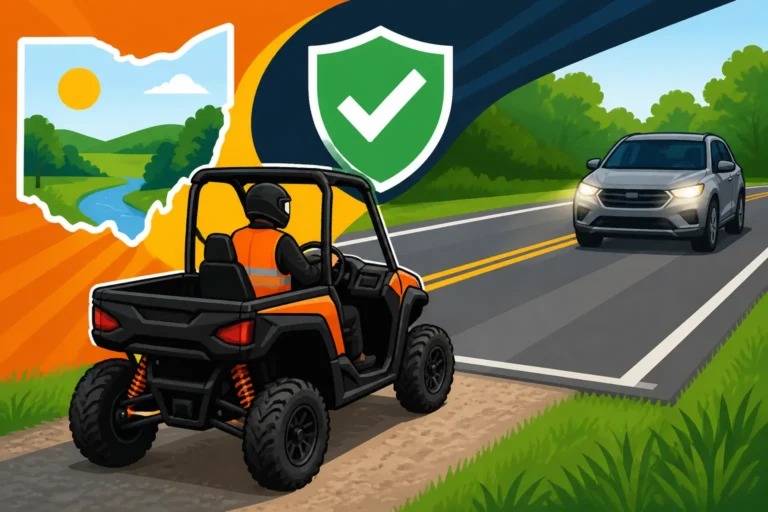
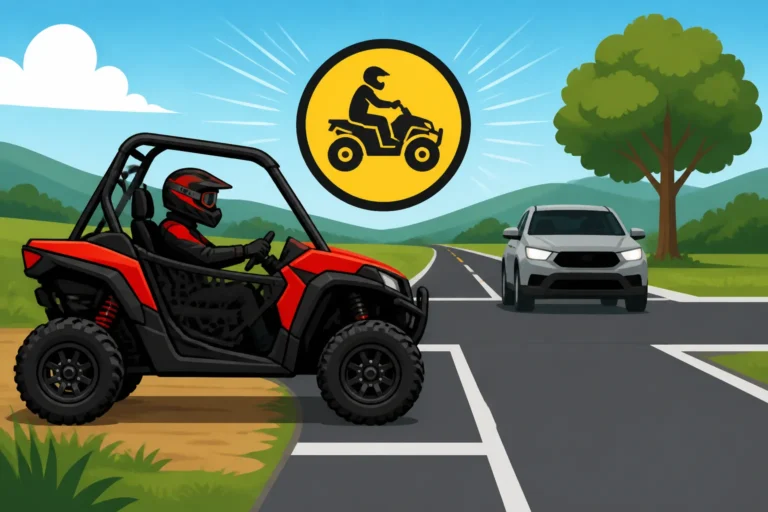
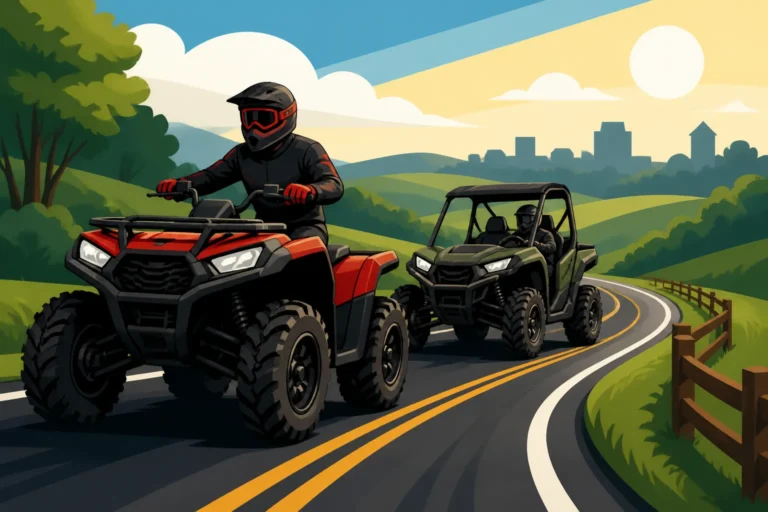
Ohio has a unique system where individual counties and townships can pass resolutions to open certain local roads to APV traffic. This adds another layer of complexity. If you're riding on these specific "opened" roads, the rules regarding supervision for minor riders often align more closely with general road laws than with off-road trail laws. This means that if a minor is operating an APV on a road that has been legally opened, even if they are supervised, the supervising adult would typically need to meet the requirements for operating a motor vehicle on public roads – which includes having a valid driver's license. The moment your wheels touch a public road, even a township road where APVs are allowed, the stakes change. While the APV itself might not be considered "street legal" in the traditional sense for all roads, the rules for operators and supervisors often revert to highway code standards. This is a critical distinction, as many people assume that if an APV is allowed on a road, all trail rules apply. Not so! Always check local ordinances and our guide on [Ohio Rules for Riding an APV on a Road] to be absolutely certain.
Here's a quick overview of driver's license requirements for supervising minors in different Ohio riding locations:
| Riding Location Type | Supervising Adult Driver's License Required? | Notes |
|---|---|---|
| Ohio State Forests (ODNR) | Yes, typically | Adult must be 18+, possess a valid motor vehicle operator's license. |
| Wayne National Forest | Yes, typically | Adult must be 18+, possess a valid motor vehicle operator's license. |
| Private Land (with permission) | Generally No (owner's discretion) | Focus is on landowner's rules and general safety. State licensing rules usually don't apply. |
| Club/Leased Private Trails | Varies by club (check their rules) | Clubs may set their own supervision and licensing policies. |
| County/Township Open Roads | Yes, typically | When on public roads, even if opened to APVs, standard motor vehicle licensing laws for supervisors apply. |
Navigating the Driver's License Conundrum
It's a common scenario: you're the go-to person for teaching the kids to ride, you know the machine inside and out, you prioritize safety above all else, but you just don't happen to have a current driver's license. This can be frustrating, especially when you feel fully capable of supervising a young rider. Ohio's laws, however, are quite specific in certain contexts, and understanding when that license becomes a non-negotiable requirement is key to avoiding legal trouble and ensuring smooth riding experiences.
When a "Licensed Adult" is Absolutely Essential
There are specific instances in Ohio where the law explicitly demands that a supervising adult hold a valid driver's license. As we touched on earlier, this is primarily true when riding on public lands like state forests or the Wayne National Forest. The rationale here is deeply rooted in public safety and accountability. These lands are accessible to many, and the state and federal agencies responsible for them want to ensure that any adult overseeing a minor's operation of an APV meets a baseline standard of legal qualification. Without that license, you simply won't be able to legally supervise a minor on these trails. This can feel unfair if you've been riding for decades and know the trails better than anyone, but the law is often designed for clarity and consistency across a diverse public. So, if your plans include hitting the public trail systems, securing a licensed adult supervisor is paramount. Our guide on [A Licensed Parent With an Under-16 Rider in Ohio] delves deeper into these specific requirements.
Alternatives When the Supervising Adult Lacks a License
So, what are your options if you're the primary supervisor but don't have a driver's license? The most straightforward alternative, if you plan to ride on public lands, is to bring another adult who does possess a valid driver's license and can act as the official supervisor. This doesn't mean you can't be there, offering guidance and support; it simply means that the legally designated supervisor needs to be the one with the proper credentials.
Another viable option, particularly if public land restrictions are too cumbersome, is to stick to private property. If you have access to your own land, or land owned by a friend or family member who has given explicit permission, the state's driver's license requirement for supervision typically does not apply. This gives you much more freedom to teach and ride with minors without the added layer of licensing bureaucracy. Many families find this to be the most practical solution, allowing them to enjoy their APVs responsibly within their own defined spaces. Remember, even on private land, safety equipment like helmets and proper riding gear, perhaps from a brand like SuperATV, should always be a priority.
Ensuring Safety and Compliance Beyond the License
Regardless of whether the supervising adult holds a driver's license, the ultimate goal is always safety and compliance with the spirit of the law. A driver's license is a legal credential, but it's not the only measure of a responsible supervisor. Beyond the license, it’s crucial that the adult supervisor:
- Has strong riding experience: They should be proficient enough to understand the machine's capabilities and limitations, as well as the terrain.
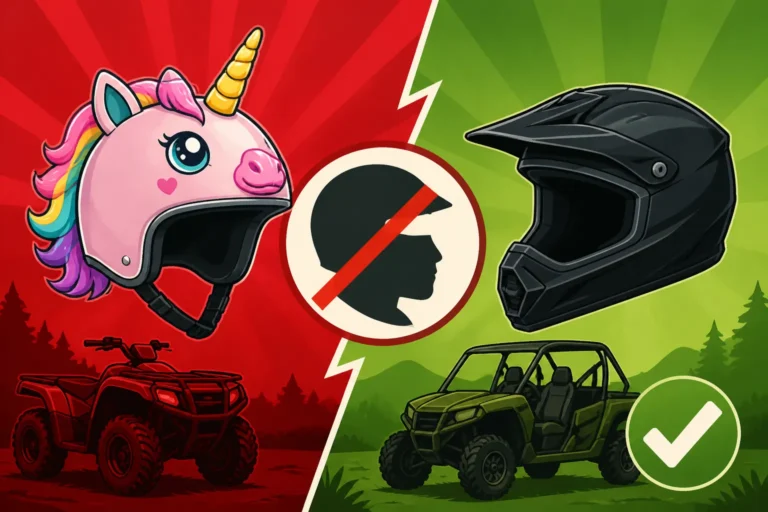
- Prioritizes safety gear: Ensuring the minor wears appropriate safety equipment, including a DOT-compliant helmet, eye protection, sturdy boots, and gloves, is non-negotiable.
- Understands the rules of the trail/property: Knowledge of speed limits, right-of-way, and environmental considerations is vital.
- Can physically intervene: In an emergency, the supervisor should be able to assist the minor or take control of the situation.
- Sets a good example: Riding responsibly, avoiding risky behaviors, and respecting the environment teaches minors valuable lessons.
These non-negotiable aspects of supervision ensure that minors are learning good habits and are protected, regardless of the supervising adult's licensing status. For more on safety, consider our guide on [Ohio Supervision Rules for Minors].
Practical Scenarios and Common Questions
The question of a supervising parent's driver's license isn't just a hypothetical one; it comes up in real-life situations with unique family dynamics and logistical challenges. It’s easy to read the law in black and white, but real life is often lived in shades of gray. Let's explore some common scenarios that riders in Ohio might encounter, and how the regulations might apply.
A Grandparent Who Doesn't Drive
Imagine a situation where a grandparent, who has countless hours on ATVs and UTVs from their farming days but hasn't held a driver's license for years, wants to teach their grandchild to ride. This grandparent might be incredibly knowledgeable about machine operation, maintenance, and safe riding practices, making them an ideal mentor.
If this grandparent plans to supervise the child solely on their own private farm, where they have full permission and control over the riding area, then the absence of a driver's license typically isn't a legal impediment under Ohio state law. The decision rests with the landowner (the grandparent, in this case) to ensure safety. They can impart their wisdom and experience without legal concerns about their license status. However, if this grandparent wants to take their grandchild to a state forest trail system, like Monday Creek, this is where the driver's license requirement becomes a firm barrier. Even with all their experience, without that valid license, they cannot legally serve as the designated supervisor on public land. In this scenario, the family would need to arrange for another adult (a parent, aunt, uncle, etc.) who does hold a valid driver's license to accompany and officially supervise the minor on public trails.
The Parent With a Suspended License
Another challenging scenario involves a parent whose driver's license is currently suspended, perhaps due to a past traffic violation or other legal issue. This parent might still be a highly responsible individual, deeply committed to their child's safety and well-being. The critical difference here is the status of the license. A suspended license, from the perspective of public land regulations, is generally treated the same as not having a license at all. It indicates a temporary revocation of driving privileges.
Therefore, if a parent has a suspended license and wishes to supervise their child on Ohio's state forest trails or any public roads where APVs are permitted, they would still be unable to meet the "valid driver's license" requirement. This can be particularly frustrating, as the parent's ability to supervise might not be directly impacted by the reason for their suspension. However, the law is typically unambiguous on this point. Similar to the non-driving grandparent, this parent would need to arrange for another adult with a valid and current driver's license to act as the legal supervisor on public lands. On private property, again, the rules are more flexible, but the parent should always consider the implications of any legal restrictions they might have, even if not directly related to off-road riding. The spirit of the law focuses on a clean, active driving record.
Supervising Multiple Minors
What if you have several children or are part of a larger group outing with multiple minors? The question then becomes: can one licensed adult supervise several minors simultaneously, especially if the adult doesn't have a license? When riding on public lands in Ohio, the law generally requires an appropriate level of supervision, but it doesn't always specify a strict ratio of adults to minors. The key is that each minor operating an APV must be under the direct supervision of a licensed adult.
If the sole supervising adult lacks a driver's license, the problem isn't the number of minors; it's the lack of the credential for the adult. If there is a licensed adult present, they can usually supervise multiple minors, provided they can effectively monitor all of them. This often means the licensed adult needs to be riding their own APV, positioned to observe all the younger riders, and capable of intervening quickly. For a large group, or if the terrain is challenging, it might be safer and more practical to have more than one licensed adult present. Products from brands like SuperATV, such as communication systems, can be helpful for groups to stay in touch and ensure everyone is safe. The core rule remains: on public land, at least one licensed adult must be present and actively supervising, regardless of how many minors are in the group. For private land, common sense and a focus on safety, as always, should guide your decisions.
Disclaimer
This article is for general informational purposes only and does not constitute professional advice. Laws, prices and regulations vary by location and change over time. Consult a qualified professional for guidance on your specific situation.