Do Passengers Need a Wayne Forest Permit?
A passenger does not automatically ride free just because the driver has a Wayne National Forest OHV permit. In general, each rider age 16 or older needs a permit of their own, including a passenger. Here’s how that requirement differs from Ohio registration, what younger passengers should know, and what to check before heading to the trail.
The short answer: passengers 16 and older need their own permit
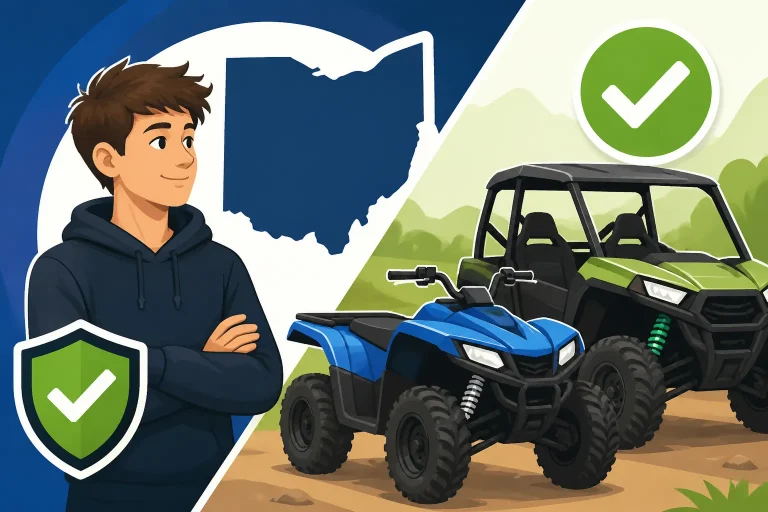
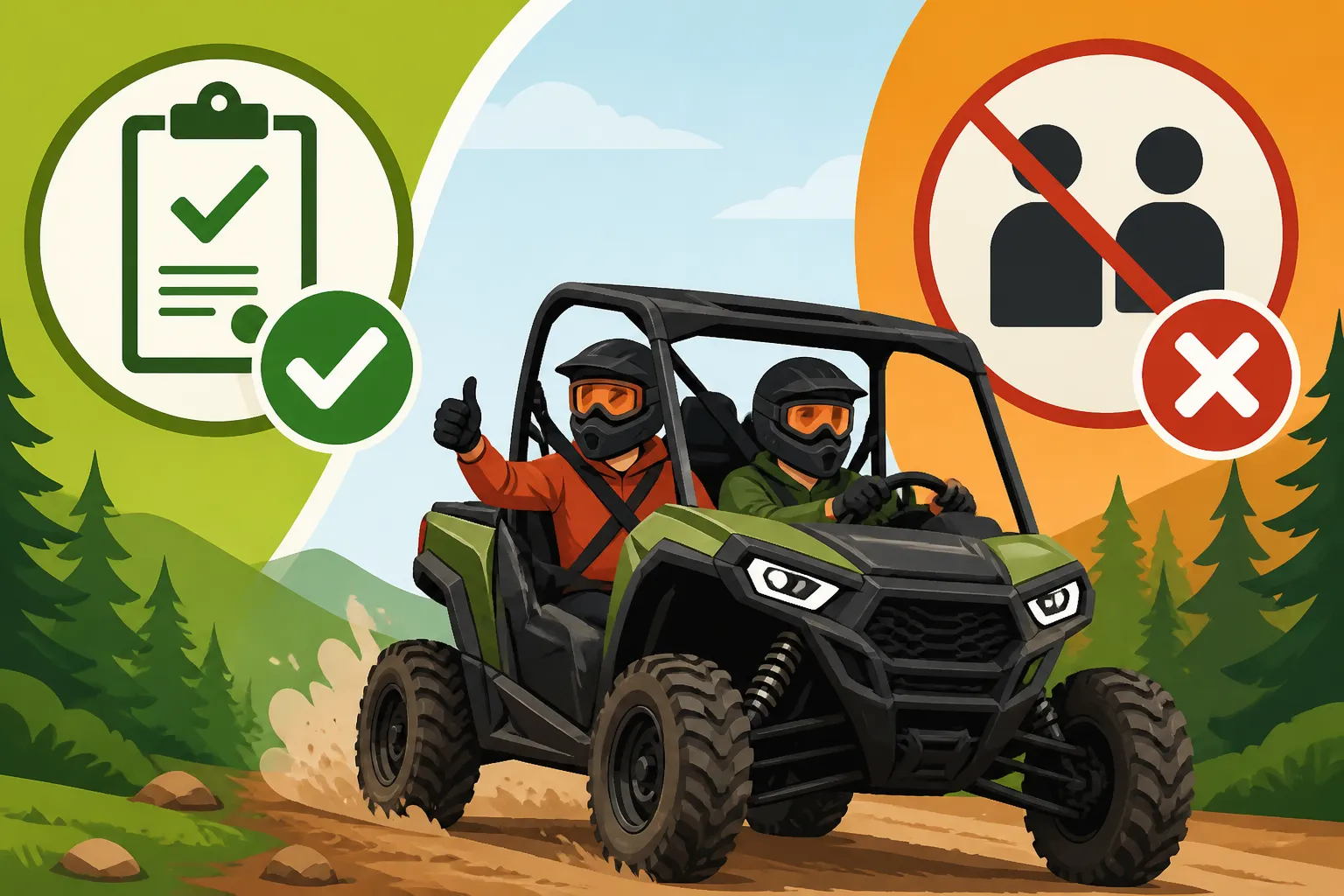
A Wayne National Forest OHV permit is generally required for each person age 16 or older riding an off-highway vehicle on the Forest’s designated OHV trails. That includes a passenger, not only the person driving. One permit should not be treated as a pass that covers everyone on the same machine.
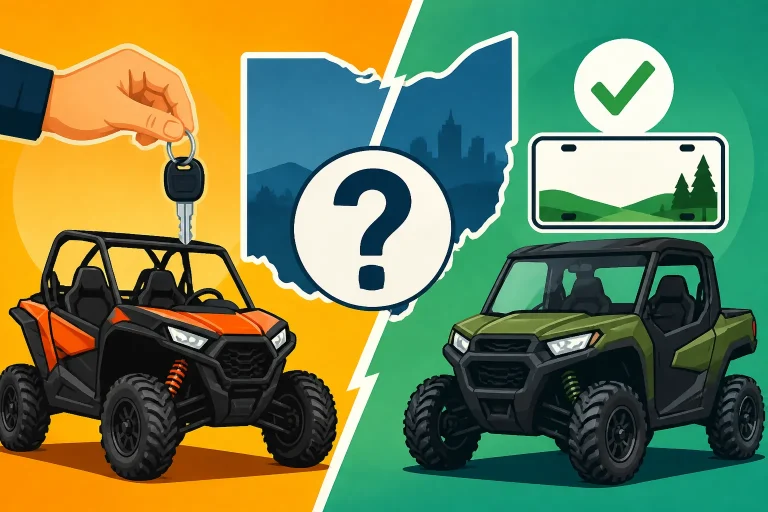
This is different from Ohio APV registration. The Ohio plate is associated with the vehicle, while the Wayne permit is an additional Forest requirement for riders. An Ohio-registered machine may still need a Wayne permit for each qualifying rider using the Forest’s OHV trails. For the state-level distinction, see Why the Ohio Plate Is the Trail Permit and How the Wayne National Forest OHV Permit Works.
| Who is riding? | Wayne Forest permit takeaway | What else to check |
|---|---|---|
| Driver age 16 or older | Needs an individual permit | Ohio registration and trail rules |
| Passenger age 16 or older | Needs an individual permit too | Whether the vehicle is designed to carry a passenger |
| Rider under 16 | The usual individual permit requirement differs by age; confirm current Forest guidance | Supervision, minimum-age rules, helmet and eye protection |
| Anyone on an Ohio state forest trail | Wayne’s permit does not apply just because it is an Ohio trail | The Ohio APV plate and state forest rules |
The key point is that a passenger who is old enough to need a permit should not rely on the driver’s permit. A group traveling in a side-by-side, for example, should account for each qualifying rider rather than count vehicles alone.
Permit rules and procedures can be updated, so confirm the current age requirement and permit terms with the Forest before riding. The Forest’s visitor information and permit vendors can clarify whether a specific rider needs a pass for a planned visit. Where to Buy a Wayne Forest OHV Permit explains the usual ways to obtain one, while The Term on an Ohio Visitor Permit concerns a different type of permit and should not be confused with Wayne’s OHV permit.
A Wayne permit is separate from Ohio registration
Ohio requires an APV plate for riding on applicable public riding areas, including state forest trails. Wayne National Forest is federal land, and its OHV permit is a separate access requirement for its designated OHV trails. Having one does not replace the other.
A simple way to keep the paperwork straight is to ask two questions:
- Is the machine properly registered for the riding area? Ohio registration and plate rules concern the machine. Start with Ohio APV Reciprocity With Other States if the vehicle is registered outside Ohio.
- Does every rider need a Wayne permit? For riders age 16 or older, plan on an individual permit for each person, including passengers.
This also explains why a visitor’s home-state registration does not settle the permit question. Registration reciprocity and a Wayne Forest pass address different requirements. A machine may qualify to ride in Ohio based on its home-state registration, but that does not necessarily exempt its riders from Wayne’s permit requirement. See Which States’ Registrations Ohio Accepts on Its Trails for the state-registration issue and The Ohio Temporary Permit for Visitors for Ohio’s separate visitor rules.
The permit is specific to riding on the Wayne National Forest OHV trail system. It is not a general license to ride anywhere in Ohio, and it does not authorize travel on a closed route or on land where OHV use is not allowed. Likewise, buying a Wayne permit does not make an unregistered machine legal on Ohio state forest trails.
For a visit that includes both Wayne National Forest and Ohio state forest land, check the requirements for each destination. The paperwork that works for one riding area may not cover the other. Do You Need a Permit for Ohio State Forest Trails? explains the Ohio state forest side.
What passenger status changes and what it does not
A passenger’s permit requirement is only one part of whether that person can ride. A permit does not make an otherwise unsafe or prohibited passenger arrangement legal. Before setting out, check both the machine’s seating and the rules that apply to the rider’s age.
Confirm the machine is built to carry a passenger
A passenger should ride only in a seat or designated position intended for one. A rack, cargo box, fender, or improvised perch is not a substitute for a passenger seat. The machine’s owner’s manual can help confirm its intended capacity and any passenger restrictions.
This matters especially with single-rider ATVs. A passenger riding on a machine not designed for two can affect control, balance, and stopping distance, even if the passenger has the correct permit. Side-by-sides generally have designated seats and restraints, but riders still need to follow the manufacturer’s seating limits and use the available safety equipment correctly.
Check age and supervision rules separately
A rider under 16 may be subject to different permit treatment, but that does not mean all age-related restrictions disappear. Rules about minimum age, adult supervision, training, and where a young person may ride are separate from the permit question. Check the current Forest rules for the specific rider and trail system rather than assuming a younger passenger can ride anywhere an adult can.
Ohio’s state forest rules also have their own requirements for young riders. Those are not automatically identical to Wayne National Forest rules. For more on that distinction, see Ohio Forest Access for Riders Under 16 and Which Adult Can Supervise an Under-16 Forest Rider.
Treat safety gear as a separate requirement
A permit is not a substitute for required riding gear. Check the applicable helmet and eye-protection rules for every rider, including passengers, and make sure the gear fits properly. A passenger who is not comfortable holding on, using the controls or restraints provided, or following the driver’s directions should not be carried.
For related Ohio trail rules, Helmets and Eye Protection on Ohio Forest Trails is useful, but confirm the requirements that apply to the specific Wayne route before leaving. Rules can differ by land manager and may change.
How to plan permits for a group ride
A little planning prevents a common trailhead problem: one vehicle has the paperwork, but a rider in the passenger seat does not have the required permit. Before loading up, make a rider-by-rider list.
- Count people, not just machines. Identify every driver and passenger who will ride on the Wayne OHV trails.
- Check each rider’s age. Determine who needs an individual permit under the Forest’s current age rules. Do not assume that a passenger shares the driver’s permit.
- Confirm the trip includes Wayne National Forest OHV trails. A pass for Wayne does not replace the rules for another forest, park, or private riding area.
- Verify each machine’s registration and passenger capacity. Check the Ohio plate or accepted out-of-state registration, and confirm that the machine is designed for the number of people riding.
- Get the permits before the ride if possible. Check Buying a Pass Online Before You Go, Buying a Pass From a Local Vendor, or Buying a Pass at a Ranger District Office for available purchase options. Confirm current availability and terms with the provider.
- Keep proof accessible. Have each rider’s permit information available during the trip and follow any instructions about how it must be carried or displayed.
If a passenger joins at the last minute, do not assume the group’s existing pass covers them. Pause and verify the rule before entering the trail system. That is easier than trying to sort out a missing permit after reaching a trailhead.
Common situations
A driver and an adult passenger share one side-by-side. Plan for a separate Wayne permit for each rider age 16 or older. The machine’s registration does not cover the passenger’s individual permit requirement.
A parent rides with a child. Check the child’s age, supervision requirements, and the Forest’s current permit guidance. Do not infer that a child’s status is the same as an adult passenger’s.
A visitor has a plate from another state. Check Ohio’s reciprocity rules for the machine and Wayne’s permit rules for each rider. These are separate checks.
The group is riding only on Ohio state forest trails. A Wayne permit is not a substitute for the Ohio APV plate and state forest rules. Confirm which trail system you are entering before buying or relying on a permit.
The machine is rented. Ask the rental provider whether it supplies the machine’s required registration and whether the Wayne permit is included for each rider. Do not assume a rental includes individual passes; confirm who is responsible for obtaining them. Do Rented Machines Come Already Registered and Plated? and Does a Rental Include the Forest Pass? cover those questions.
For named products such as helmets, goggles, or storage items, a retailer such as Amazon may offer options, but the important part is matching gear to the rider and the applicable safety requirements—not buying a particular brand. Check fit, condition, and any required certification before the ride.
Before you head to the trail
For most adult passengers, the practical answer is straightforward: plan on an individual Wayne National Forest OHV permit for every rider age 16 or older, including the passenger. Do not treat the driver’s pass, the machine’s Ohio plate, or a home-state registration as a substitute for that rider’s permit.
Then verify the details that can vary by trip: the current permit terms, the age rules for younger riders, the machine’s passenger capacity, and the requirements of every riding area on your route. Carry the required documents and gear, and use the Forest’s official information or a permit seller to confirm current instructions before setting out.
Disclaimer
This article is for general informational purposes only and does not constitute professional advice. Laws, prices and regulations vary by location and change over time. Consult a qualified professional for guidance on your specific situation.