How County Commissioners Vote to Open Roads to APVs
It’s a common dilemma for riders in Ohio: you’ve got a fantastic all-purpose vehicle (APV) – maybe a powerful quad or a comfortable side-by-side – and you’re itching to connect some trails or simply ride to a local store. But then the big question hits: can you legally ride it on the road? This isn't just a simple yes or no answer, because in Ohio, the rules can change literally from one county line to the next. This guide is going to walk you through the specific, sometimes bewildering, process of how county commissioners in Ohio vote to open up their roads for APV use, helping you understand the "why" and "how" behind those crucial local decisions.
Understanding the Legal Landscape for APVs in Ohio
Before we dive into the nitty-gritty of county resolutions, it’s really important to grasp the bigger picture of APV law in Ohio. Unlike some states where APVs might have a clearer statewide mandate for road use, Ohio takes a more localized approach. This can be incredibly frustrating for riders who just want consistent rules, but it’s the reality we operate in. The state legislature has, for a long time, allowed individual counties and townships the authority to decide if and how APVs can use their local roads. This means that while you might be able to cruise down a county road in Washington County, the very same type of road just across the border in Athens County might be completely off-limits. It truly is a patchwork, and it's why understanding local governance is key.
Why Local Action is Needed for Road Access
The core reason you need local legislative action – specifically from your county commissioners – is that Ohio law doesn't grant a blanket right for APVs to operate on public roads statewide. Instead, the law permits local government entities to pass resolutions or ordinances that open specific roads under their jurisdiction. This decentralization of power means that while the state sets the framework and definition of what constitutes an APV, the actual decision to allow them on roads falls to the people who know their local infrastructure and community needs best: your elected county officials. This can feel like a slow, uphill battle for riders who envision a more interconnected trail system, but it's the established legal path. It also means that rider advocacy at the local level is absolutely critical. Without a formal resolution from the county, any APV use on county roads could be considered illegal, potentially leading to citations and fines.
Distinguishing County Roads from State Routes and Township Roads
It's vital to clarify which roads we're talking about when we discuss county commissioners. Their authority generally extends to county roads, which are typically marked with blue signs featuring a yellow county outline and number. These are distinct from state routes (usually marked with white, black, or green signs, often a shield shape) and township roads (often smaller, sometimes unpaved, and falling under the jurisdiction of township trustees). County commissioners have no authority over state routes; those remain off-limits to APVs statewide unless specific, very limited crossing provisions exist, which is a whole other topic. Similarly, township roads fall under the purview of How County Commissioners Vote to Open Roads to APVs. So, when you're thinking about where you want to ride, the first step is always to identify who owns and maintains that stretch of asphalt or gravel. This distinction is paramount, as a county resolution opening "county roads" does not automatically open "township roads" or "state routes."
The Role of County Commissioners in Opening Roads
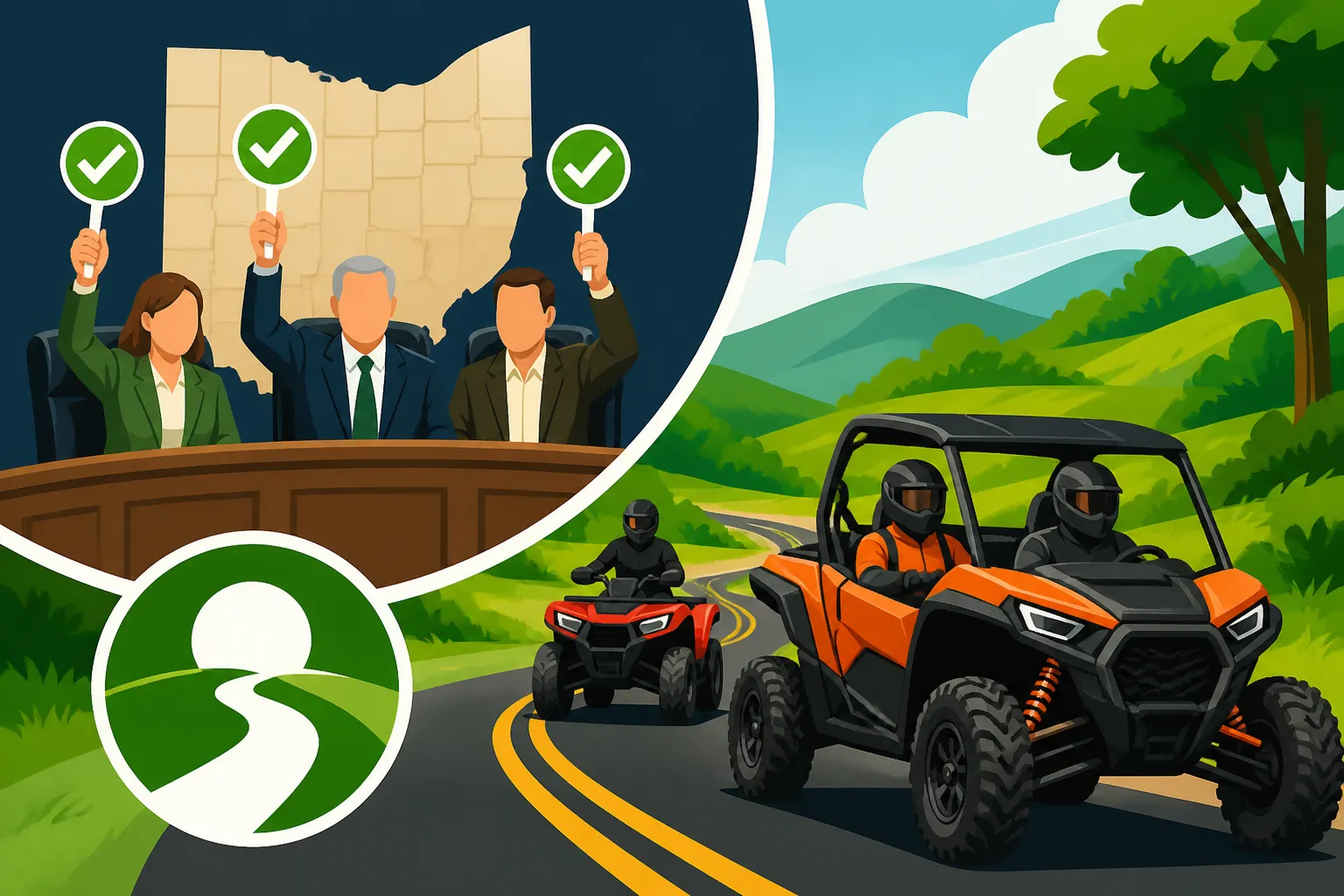
County commissioners are typically a three-person board elected to manage the administrative functions of a county. Their responsibilities include budget oversight, infrastructure planning, and making decisions that impact public services and local regulations. When it comes to APVs, they hold the power to pass a formal resolution that can grant legal access to county-maintained roads. This isn't a quick decision; it often involves a public process, careful consideration of various factors, and a formal vote.
Initiating the Discussion: Rider Advocacy and Public Input
The process of opening county roads to APVs almost always begins with local riders. Commissioners rarely just decide to open roads without public demand. Riders and local APV clubs often spearhead efforts by:
- Gathering Support: Demonstrating to commissioners that there's a significant number of riders in the county who desire this access, along with economic benefits for local businesses.
- Presenting Research: Providing information on how other counties or states have successfully integrated APVs onto roads, addressing safety concerns, and outlining proposed rules.
- Attending Meetings: Showing up at county commissioner meetings, especially during public comment sessions, to voice support and explain why road access is important.
- Contacting Commissioners Directly: Writing letters, sending emails, or scheduling individual meetings with commissioners to discuss the issue one-on-one.
This initial advocacy is crucial because commissioners need to understand the community's interest and weigh it against potential concerns from other residents or law enforcement. It’s about building a strong, persuasive case for why this change benefits the county.
The Resolution Process: From Proposal to Vote
Once the commissioners are convinced there's enough interest and merit to consider the proposal, the formal process of drafting and voting on a resolution begins. This typically involves several steps:
- Drafting the Resolution: Legal counsel for the county will draft a resolution. This document specifies which roads (or classes of roads, e.g., "all county roads with a speed limit of 35 MPH or less") will be opened, the conditions under which APVs can operate (e.g., specific hours, equipment requirements like those offered by SuperATV for road conversions, speed limits), and any other pertinent regulations. This isn't a simple "yes/no" document; it's a detailed legal text.
- Public Hearings and Comment Periods: Before a final vote, it’s standard practice for commissioners to hold public hearings. This is a crucial opportunity for both proponents and opponents of the measure to voice their opinions. Riders should attend these meetings prepared to offer constructive input, share positive experiences, and address concerns raised by others. Law enforcement agencies, fire departments, and local residents will also have their say. This public discourse helps commissioners gauge overall sentiment and refine the resolution.
- Review and Amendments: Based on public input and discussions, the proposed resolution might undergo several revisions. Commissioners will often work with legal and safety officials to ensure the language is clear, enforceable, and addresses safety concerns. This iterative process can take time, sometimes weeks or even months, depending on the complexity and controversy of the proposal.
- The Final Vote: Eventually, the resolution will be brought to a vote before the full board of county commissioners. A majority vote is usually required for the resolution to pass and become effective. If it passes, it legally opens the designated county roads for APV use under the specified conditions.
Understanding [A County Commissioners' Resolution in Ohio] is key to recognizing the authority behind these local decisions. It’s not just a handshake agreement; it’s a formal legislative act.
Factors Commissioners Consider
When county commissioners are weighing a decision to open roads, they aren't just thinking about rider enjoyment. They're balancing a variety of community interests and potential impacts. Here are some of the key factors they typically consider:
- Public Safety: This is almost always the top concern. Commissioners will look at accident data, road conditions, sightlines, and traffic volume. They'll want to ensure that opening roads won't lead to an increase in collisions or endanger other motorists, pedestrians, or the APV riders themselves. They might require specific safety equipment or speed restrictions.
- Economic Impact: Proponents often highlight the potential economic benefits. Riders might travel to the county, stay in hotels, eat at local restaurants, and buy gas and supplies, boosting local businesses. This can be a significant motivator for commissioners, especially in rural areas looking for tourism dollars.
- Road Wear and Tear: There can be concerns about the impact of APVs on road surfaces, particularly unpaved or lightly graveled roads. While modern APVs are lighter than full-sized vehicles, commissioners might consider maintenance costs.
- Law Enforcement Capacity: Local law enforcement agencies will often provide input on their ability to enforce new APV regulations, including patrolling, issuing citations, and responding to incidents. They'll need resources and training to ensure compliance.
- Community Feedback: As mentioned, public input from all sides is crucial. Commissioners need to understand the concerns of non-riders, residents living along affected roads, and other stakeholders.
- Legal Precedent and Liability: They will review existing state laws and consult with legal counsel to understand the county’s liability should an incident occur. They may look at how other counties have structured their resolutions to mitigate risk.
What Happens After a Road is Opened
Let's say your county commissioners have done the hard work, passed the resolution, and now certain county roads are officially open to APVs. What does that mean for you as a rider? It's not a free-for-all; there are still rules, and knowing them is your responsibility.
Signage and Posted Rules
One of the most important aspects after a resolution passes is proper signage. Ideally, the county will install clear signs indicating which roads are open to APVs and any specific rules that apply. These signs might specify:
- Roads Open to APVs: Clearly marking the boundaries where APVs are permitted.
- Speed Limits: Often, APVs are restricted to roads with a lower speed limit, such as 35 MPH or less.
- Hours of Operation: Some resolutions might limit APV use to daylight hours, or specific days of the week.
- Equipment Requirements: While state law dictates some basic equipment for APVs on roads, local resolutions might add further stipulations.
It's crucial for riders to always keep an eye out for these signs. If a road isn't clearly marked, you should assume it's closed unless you have verified information from the county. Trying to find out [Finding Out Which Roads Are Open] should be your first step before heading out.
Rider Responsibilities and Equipment Requirements
Just because a road is open doesn't mean you can ride it like a trail. You become a fellow motorist and must adhere to all traffic laws. This includes:
- Following Speed Limits: Stick to the posted speed limits, which are often lower for APVs on county roads.
- Obeying Traffic Signals and Signs: Stop at stop signs, yield to oncoming traffic, and follow all other road rules.
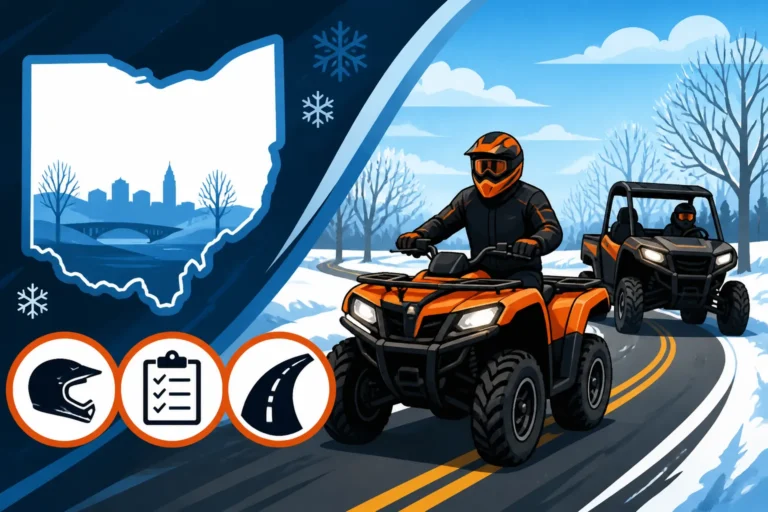
- Having Proper Equipment: Ohio law already has [Ohio Equipment Rules for an APV on a Road] and [Ohio Equipment Rules for a UTV on a Road]. This typically includes headlights, taillights, brake lights, a horn, and a muffler. For UTVs, additional requirements like turn signals, mirrors, and a windshield might be necessary for road legality. Many riders turn to aftermarket companies like SuperATV for their robust selection of road-legal conversion kits, from signal kits to DOT-approved windshields, to ensure their machine meets all the necessary specifications.
- Possessing a Valid Driver's License: [Ohio Driver's License Rules for APVs] are clear: if you’re riding on a public road, you need a valid driver's license.
- Carrying Proof of Insurance: [Ohio Insurance Requirements for Road Use] generally mandate that you have proof of insurance on you, especially if the local resolution requires it for road use. Don't risk a citation!
- Wearing a Helmet (if required): While helmet laws vary, it's always safest to wear one, and some local resolutions might mandate helmets even if state law doesn't for certain riders.
Remember, you are representing the entire APV riding community every time you ride on an open road. Responsible riding helps maintain positive relations with residents and reinforces the commissioners' decision to open the roads.
Navigating Open Roads: Equipment and Best Practices
So, you've done your homework, confirmed the roads are open, and your county has passed its resolution. Now it's time to hit the pavement (or gravel!). But before you go, let's talk about equipping your machine for success and maintaining good etiquette.
Equipping Your APV for Road Use
Making your APV road-legal goes beyond just having a license plate. It means ensuring it meets specific safety and visibility standards. For UTVs, this often means adding components that might not come standard:
- Turn Signals and Mirrors: These are almost always required for any vehicle on a public road. A good set of SuperATV turn signals and side mirrors will make your intentions clear to other drivers and help you keep an eye on traffic behind you.
- Windshield and Wipers: Many resolutions for UTVs will require a DOT-approved windshield and functional wipers. This isn't just for legality; it's for your safety and visibility, especially if you encounter rain or mud.
- Horn: A loud and clear horn is essential for communication and safety on the road.
- Headlights, Taillights, Brake Lights: While most APVs have these, ensure they are bright, fully functional, and meet legal specifications for visibility.
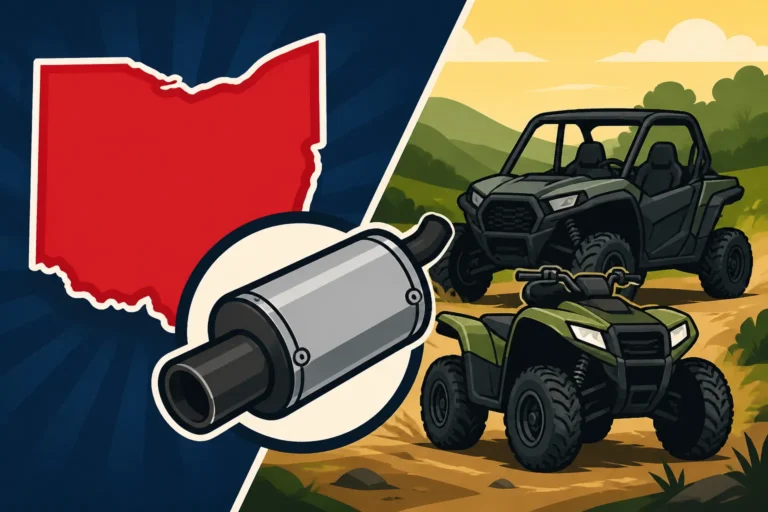
- Spark Arrester and Muffler: Your machine must have a U.S. Forest Service approved spark arrester and a functioning muffler to keep noise levels reasonable and prevent wildfires. This is often a specific point in local ordinances.
Always check the exact wording of your county’s resolution, as well as general state laws, to ensure your machine is fully compliant. It's better to be over-prepared than to risk a [Ohio Fines for Illegal APV Road Use].
Best Practices for Riding on Open County Roads
Riding on open roads requires a different mindset than hitting the trails. Here are some best practices to ensure a safe and enjoyable experience for everyone:
- Ride Predictably: Treat your APV like any other vehicle on the road. Use your turn signals, maintain your lane, and avoid sudden maneuvers.
- Stay Right: Keep to the far right of the lane, especially on two-lane roads with no shoulders, to allow other vehicles to pass safely when appropriate. Remember that [Riding the Berm Beside an Ohio Lane] might be permitted in some areas but always exercise caution and know the local rules.
- Be Visible: Consider adding flags or reflective tape to your machine, especially if riding at dawn, dusk, or in low-light conditions, even if not explicitly required. Bright clothing for riders is also a smart choice.
- Control Noise Levels: Keep your exhaust system in good repair to minimize noise. Excessive noise can quickly turn public opinion against APV road access.
- Respect Private Property: Never leave the designated road to ride on private land without explicit permission. [Ohio Trespass Rules for Riders] are strict and can lead to serious legal trouble.
- Share the Road: You'll be sharing the road with cars, trucks, bicycles, and sometimes even horses or Amish buggies in rural areas. Be courteous and allow plenty of space.
- Know When to Cross, Not Ride: There might be instances where you're allowed to cross a state route but not ride along it. Understanding the difference between [Crossing a Road Where It Is Safe] and continuous travel is critical.
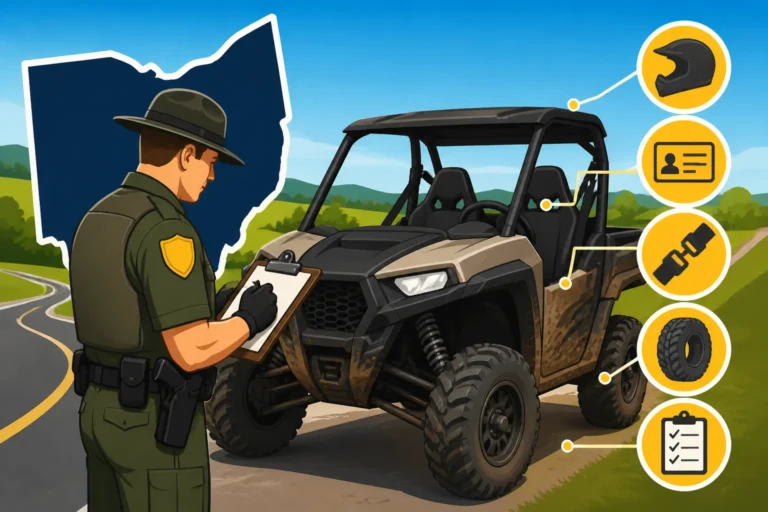
- Keep Your Paperwork Handy: Always have your driver's license, APV registration card, and proof of insurance readily accessible. A deputy may stop you to confirm you're legal, and knowing [What an Ohio Deputy Checks Roadside] can save you time and hassle.
By riding responsibly and being a good ambassador for the sport, you help ensure that these hard-won road access privileges remain in place and perhaps even expand in the future. Remember, it's a privilege, not an inherent right, and it's something we all need to work together to maintain.
Disclaimer
This article is for general informational purposes only and does not constitute professional advice. Laws, prices and regulations vary by location and change over time. Consult a qualified professional for guidance on your specific situation.