Deer Season Traffic on a Forest Road
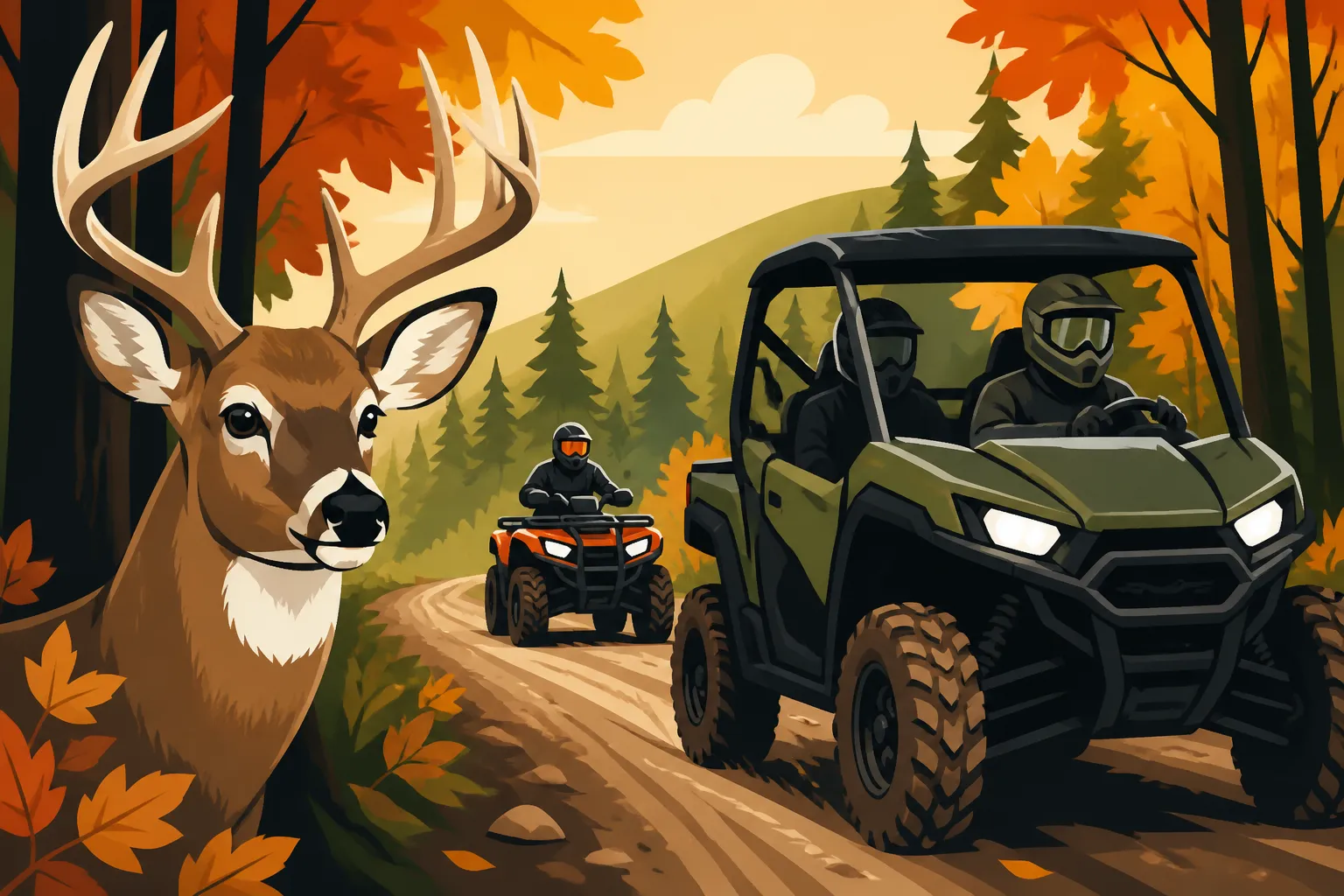
Riding your ATV or UTV on Ohio's beautiful forest trails offers a unique blend of adventure and immersion in nature. However, when the crisp autumn air signals the arrival of deer season, those familiar trails and access roads transform. Suddenly, you're sharing the landscape with a diverse crowd: hunters on foot, hunters driving trucks to their stands, wildlife on the move, and other recreational users. Navigating this dynamic environment safely and respectfully requires a bit of foresight and an understanding of the specific considerations that come with deer season traffic on Ohio's forest roads. This guide will help you understand the overlap between hunting season and trail riding, emphasizing safety, etiquette, and essential legal points to ensure your experience remains positive for everyone sharing Ohio's natural spaces.
Understanding Ohio's Deer Season and Forest Access
The onset of deer season in Ohio marks a significant shift in the forest landscape. What might have been a quiet trail in September can become a bustling access point for hunters in November and December. Knowing when these seasons occur and how they affect forest access is your first step toward a safe and enjoyable ride.
Overlapping Seasons: A Calendar Conundrum
Ohio's deer hunting seasons are multifaceted, encompassing various methods like archery, gun, and muzzleloader, each with its own specific dates. Often, these periods coincide directly with prime fall riding weather, meaning you'll be sharing the trails with a greater number of people engaged in different activities. For instance, the general deer gun season typically falls in late November and early December, a time when many riders are still out enjoying the cooler temperatures and vibrant foliage. Meanwhile, archery season can run for months, increasing the chances of encountering bowhunters throughout the fall.
It's crucial to consult the Ohio Department of Natural Resources (ODNR) for current hunting season dates before you plan your ride. While some state forests, like Perry and Pike, might close their APV trails on the [Second Monday in December in Ohio], other areas, such as the Wayne National Forest, may operate on a slightly different schedule. The key takeaway is that during these overlapping times, the chances of encountering hunters and their associated vehicles are significantly higher. Imagine you're heading out for a day at Monday Creek near Nelsonville; a quick check of the hunting calendar will tell you if you're riding during a major gun season, prompting you to adjust your approach to the trails and forest roads.
Who's on the Road? The Mix of Users
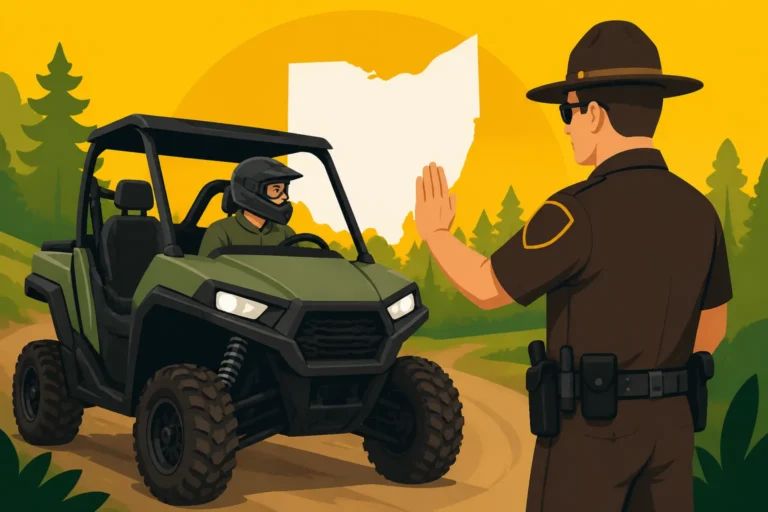
Forest roads are rarely exclusive. During deer season, you'll encounter a wide array of users, each with their own purpose. Beyond fellow ATV and UTV riders, you'll see hunters driving full-sized trucks, often towing trailers or carrying deer in their beds, heading deep into the woods to access their hunting grounds or retrieve harvested animals. You might also encounter hikers, birdwatchers, or even forest service vehicles conducting maintenance or timber operations.
This mix means that a forest road, which might usually feel like a private two-track, can quickly become a busy thoroughfare. Hunters are often focused on their pursuit, and while they are generally aware of their surroundings, they might not expect a fast-moving off-road vehicle around a blind curve. Respecting that these roads are shared is paramount. Be prepared to slow down, yield the right-of-way, and understand that not everyone you meet is there for the same reason you are. This shared-use environment emphasizes the need for heightened awareness and a commitment to safe, courteous riding practices.
Essential Safety Practices for Riders During Hunting Season
Safety should always be your top priority when riding, but during deer season, specific considerations come into play. Your actions can directly impact not only your safety but also the experience and safety of hunters and other forest users.
Visibility is Key: Don Your Blaze Orange
During hunting season, particularly during any gun seasons, making yourself as visible as possible is not just a courtesy; it's a critical safety measure. Many hunters wear blaze orange to prevent accidental shootings, and as an APV rider, you should adopt the same practice. Blaze orange isn't about looking like a hunter; it's about standing out against the natural backdrop of the forest, especially in low light conditions or dense cover.
Wearing a bright orange vest, jacket, or even a helmet in a high-visibility color, perhaps from a brand like SuperATV that offers a range of accessories, can make all the difference. Think about the stark contrast it provides against the browns, grays, and fading greens of the autumn woods. Imagine a hunter scanning a hillside; a flash of blaze orange could prevent a tragic misidentification. It’s a simple, effective way to communicate your presence to anyone with a firearm, even if they're quite a distance away. This applies not only to your clothing but also to your machine; consider adding high-visibility flags or accents to further enhance your profile. For more on this, check out [Blaze Orange on an Ohio November Ride].
Mindful Riding: Noise, Speed, and Awareness
Riding mindfully during hunting season means being acutely aware of your surroundings and the impact your presence has on others. Hunters often spend hours waiting quietly, trying to blend into the environment. The sudden roar of an engine can easily disrupt their efforts and push wildlife out of an area. While APVs are inherently noisy, you can mitigate their impact by being considerate.
Reducing your speed, especially on approach to blind turns, crests, or areas known for high hunter activity, is crucial. Not only does this reduce noise, but it also gives you more time to react to unexpected encounters, such as a hunter walking along the shoulder or a deer suddenly bolting across the trail. Pay extra attention to dawn and dusk, which are not only prime hunting times but also periods of reduced visibility for all users. Consider upgrading your lighting with aftermarket options, like those from SuperATV, for enhanced visibility during these low-light hours. Always keep your eyes peeled for parked vehicles, hunters on foot, or even harvested game near the trail. A simple wave or nod can go a long way in showing respect and fostering a positive atmosphere in the woods. For guidance on riding during these times, see [Ohio Rules for Riding After Dark].
Legalities and Respect on Shared Trails
Navigating Ohio's forest roads during deer season also involves adhering to specific regulations and demonstrating respectful trail etiquette. Understanding these rules ensures your ride is legal and contributes to a harmonious outdoor experience for everyone.
Understanding APV Regulations on Forest Roads
When you're riding your ATV or UTV in an Ohio state forest or the Wayne National Forest, your Ohio APV registration plate serves as your trail permit. This is a critical point of [Why Your APV Plate Is Also Your Trail Permit]. However, simply having a plate doesn't grant you carte blanche to ignore other rules, especially during hunting season.
Ohio's state forests, such as Monday Creek, Hanging Rock, and Pine Creek, have specific rules, including a [Ohio's 62-Inch State Forest Width Limit] for machines on their designated trails. These limits are important to remember, as many wider side-by-sides might be restricted to certain wider access roads or private parks. Always ensure your machine complies with these width limits if you plan to hit the trails. Furthermore, while the roads and trails might be open to APVs, some sections might have temporary closures due to logging, trail maintenance, or even specific hunting events. It's always a good idea to check for [Ohio Trail Closures to Check First] before heading out. Carrying your registration card and proof of insurance (if required for road use) is also non-negotiable.
Trail Etiquette and Encountering Hunters
Respectful trail etiquette is paramount during hunting season. If you encounter a hunter, whether they're walking, at a stand, or dragging a deer, slow down and give them space. A simple, friendly wave or nod is often appreciated. If you see a hunter actively engaged in retrieving a harvested deer, consider offering assistance if it's safe and appropriate to do so. They might appreciate an extra set of hands, or simply you giving them a wide berth.
Avoid riding off marked trails or into areas designated as hunting-only or off-limits to vehicles. This prevents disturbing wildlife and encroaching on private hunting leases or sensitive areas. If you're carrying extra gear for your ride, perhaps secured in a durable cargo box from SuperATV, make sure it's not rattling excessively, adding to the noise profile. The general rule is to be a good steward of the land and a courteous fellow outdoor enthusiast. We all share these precious natural resources, and mutual respect ensures everyone can enjoy their chosen activity without unnecessary conflict.
Here’s a quick checklist to help you prepare for a deer season ride:
| Item | Importance | Notes |
|---|---|---|
| Blaze Orange Gear | Critical for visibility to hunters | Vest, jacket, or high-vis helmet. |
| ODNR Hunting Calendar | Essential for knowing peak activity times | Check specific deer gun, archery, and muzzleloader dates. |
| Forest Trail Map | Helps you stay on marked trails and avoid closures | Available from ODNR or forest ranger stations. |
| Working Lights | Crucial for dawn/dusk and inclement weather | Check headlights, taillights, and consider aftermarket upgrades. |
| First Aid Kit | Always important, especially in remote areas | Accidents can happen; be prepared. |
| Noise Awareness | Reduces disturbance to wildlife and hunters | Ride mindfully, especially in quiet areas. |
| Proof of Registration | Required by Ohio law for APV trail use | Carry your physical card, not just a photo. |
| Tire Condition | Ensures traction on potentially muddy or leaf-covered trails | Inspect for wear; consider all-terrain options, maybe from SuperATV. |
| Fire Suppression | Good practice, especially during dry conditions | A small extinguisher can be invaluable. Checking Ohio Fire Rules Before a Ride |
| Helmet & Eye Protection | Mandated by Ohio law in certain areas and crucial for safety | [Ohio Helmet Law on State Forest Trails] and [Ohio Eye Protection Requirement]. |
| Emergency Communication | Cell signal can be spotty; consider other options | A whistle or satellite messenger can be lifesavers. |
Navigating Ohio's forest roads during deer season is about balancing your enjoyment of the trails with the activities of others. By being visible, riding mindfully, and respecting the rules and fellow users, you can ensure a safe and harmonious experience for everyone. Always check the [Trailhead Board Tells You Before a Ride] for any last-minute local updates or closures.
Disclaimer
This article is for general informational purposes only and does not constitute professional advice. Laws, prices and regulations vary by location and change over time. Consult a qualified professional for guidance on your specific situation.