Where an Ohio Sticker Sits on the Plate
You've just received your shiny new Ohio All-Purpose Vehicle (APV) registration plate and the accompanying validation sticker in the mail, ready to hit the trails or get your farm work done. But then you hold that small sticker in your hand, look at the plate, and a familiar question pops up: "Where exactly does this thing go?" It's a common moment of confusion, often leading to second-guessing or even a quick internet search. Nobody wants to stick it in the wrong place and risk trouble, especially after going through the effort of getting everything registered properly. This guide is here to clear up that mystery, providing a detailed breakdown of exactly where your Ohio APV validation sticker sits on the plate, why it matters, and what to do if you have questions.
Understanding Ohio's APV Plate and Sticker System
Ohio has a specific system for registering and identifying all-purpose vehicles, which include everything from your trusty ATV to your versatile side-by-side. This system uses a distinctive plate and a validation sticker to ensure your machine is properly documented and legal for use where permitted. It's not just a formality; it's how the state keeps track of these vehicles, ensuring safety and contributing to the upkeep of the very trails we all love to ride.
The Distinctive Ohio APV Plate
Unlike the standard license plates you see on cars and trucks, the Ohio APV plate has a unique look and size tailored for off-road machines. It's designed to be durable and visible, often smaller than a typical passenger vehicle plate, so it can fit on the various mounting points found on ATVs, UTVs, and other similar vehicles. These plates typically feature a specific design or color scheme that immediately identifies them as belonging to an APV, making it easy for law enforcement or trail officials to recognize them at a glance. The design isn't just about aesthetics; it's about clear identification in environments that can be dusty, muddy, or otherwise challenging. You'll notice the state's name, the plate number, and often a designation like "APV" or "Off-Highway" clearly stamped or printed, all contributing to its function.
When you first receive your plate, take a moment to inspect it. It should be made of a sturdy material, usually metal, and have pre-drilled holes for mounting. The surface is designed to withstand the elements, but it's still good practice to keep it as clean as possible to ensure its legibility. This physical plate is the primary identifier for your machine in Ohio, linking it directly to your registration information. Without it, or if it's obscured, you could face issues.
What the Validation Sticker Signifies
The small, adhesive sticker that comes with your APV plate is more than just a piece of paper; it's your current proof of registration. Think of it as a time stamp for your plate. This sticker displays the year and sometimes the month your APV registration expires, confirming that your plate is valid for the current period. Without this sticker, or if it shows an expired date, your otherwise valid plate would be considered out of compliance.
The sticker's role is to provide an immediate visual cue that your vehicle is properly registered. When a park ranger, a sheriff's deputy, or even a fellow rider glances at your plate, they can quickly confirm its active status by looking at the sticker. It prevents the need for officials to run every plate number through a database for a quick check. It's a system designed for efficiency and clarity. Always make sure that the sticker is applied correctly and is clearly visible, because its legibility directly impacts your compliance.
Why a Plate and Not a Decal for APVs
You might have noticed that snowmobiles in Ohio use decals instead of full-fledged plates. This difference often sparks curiosity among riders. For all-purpose vehicles, Ohio law mandates a physical plate. This decision is rooted in the state's approach to how these different types of recreational vehicles are used and where they operate. While snowmobiles are primarily seasonal and operate on specific snow trails, APVs, particularly UTVs and ATVs, can be used across a wider range of terrain and conditions, often interacting more directly with infrastructure like township roads or even crossing state routes where legally permitted.
The permanence and visibility of a metal plate, along with its specific mounting requirements, provide a more robust form of identification compared to a decal, which might be less durable or easily obscured. Ohio legislators likely considered the varied use cases of APVs, from agricultural work to recreational trail riding, and determined that a plate offered the best balance of identification and enforcement. For a deeper dive into why Ohio uses different methods, you might find it interesting to read about [Why Ohio Issues a Plate and Not a Decal] or even compare it to [Why a Snowmobile Gets Decals Instead of a Plate]. It truly highlights the thoughtful distinctions in Ohio's recreational vehicle laws.
Exact Placement of Your Ohio APV Validation Sticker
Now for the crucial part: getting that sticker in the right spot. It's not just about slapping it on anywhere; there's a designated area that ensures consistency and makes it easy for officials to verify your registration status without extra effort.
The Designated Area on the Plate
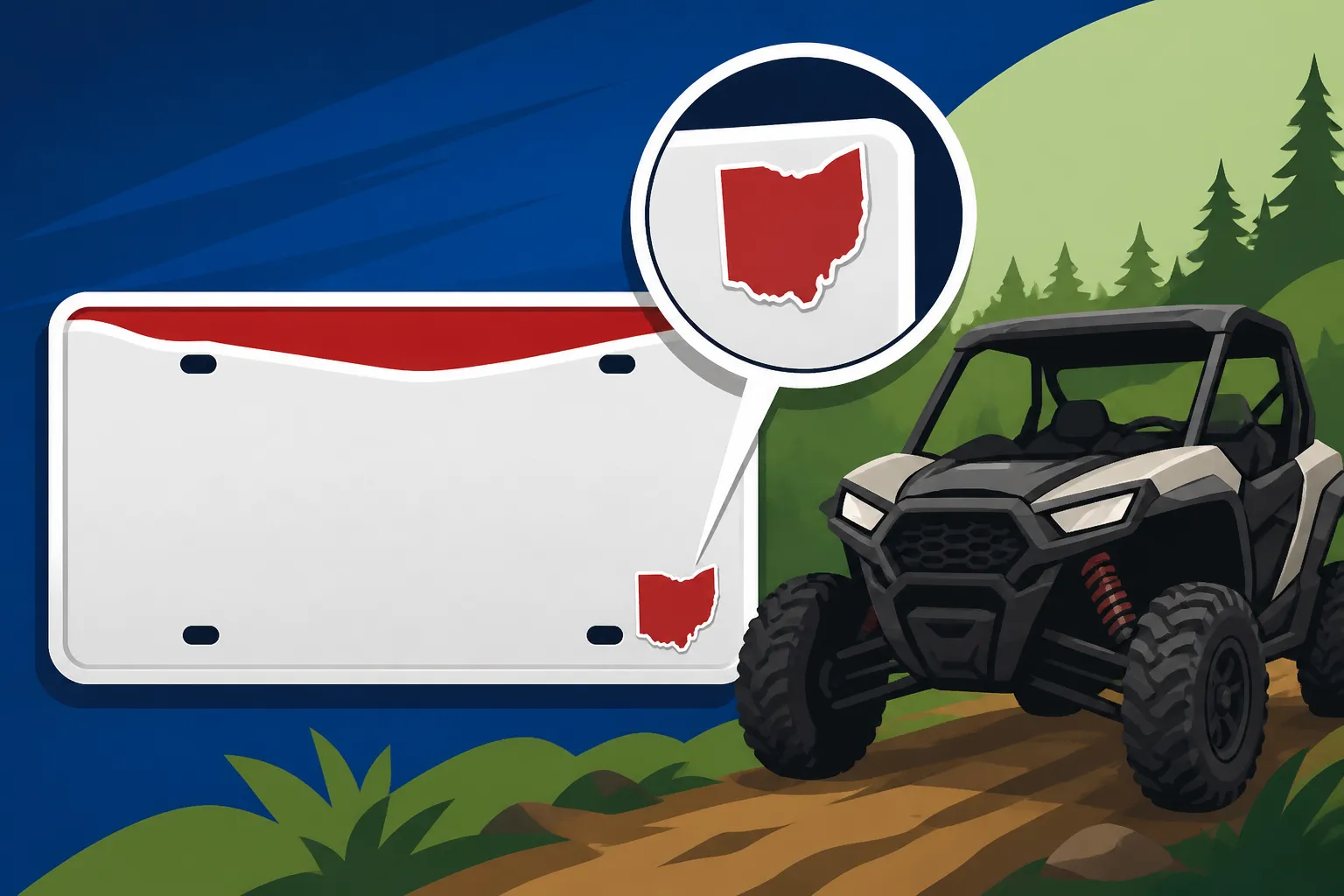
For your Ohio APV validation sticker, the standard and expected placement is in the upper right-hand corner of the physical license plate. This isn't just a suggestion; it's the widely recognized spot that ensures uniformity across all APV plates in the state. Imagine a law enforcement officer or park ranger doing a quick visual check – they are trained to look in that specific corner for the validation sticker. Deviating from this placement could cause confusion or lead to unnecessary stops, even if your registration is perfectly valid.
The upper right-hand corner offers several practical advantages. It's typically a clear area on the plate, away from the main plate number and other identifying marks, preventing any visual clutter. It's also often one of the easiest spots to see, especially when the plate is mounted in its usual location on the rear of your ATV or UTV. This standardized placement contributes to the overall efficiency of the registration system, making it quick and unambiguous to confirm your compliance.
Step-by-Step Sticker Application
Applying the sticker correctly is straightforward, but a few tips can help ensure it stays put and remains legible for its entire validity period.
- Clean the Plate Surface: Before you even peel the backing, make sure the upper right-hand corner of your APV plate is clean and dry. Any dirt, dust, or grease can prevent the sticker from adhering properly, leading to peeling edges or a complete loss of the sticker down the line. A quick wipe with a clean, damp cloth followed by drying is usually sufficient.
- Peel Carefully: Gently peel the backing from the sticker, trying not to touch the adhesive side with your fingers more than necessary. Oils from your skin can compromise the adhesive.
- Align Precisely: Position the sticker in the upper right-hand corner. Take a moment to align it straight and flush with the edges of the plate. You want it to look neat and professional, not crooked or bubbling.
- Press Firmly: Once aligned, press the sticker down firmly, working from the center outwards to push out any air bubbles. Use your thumb or a credit card edge to smooth it down thoroughly across its entire surface. This ensures maximum adhesion and helps prevent water or dirt from getting underneath the edges.
Common mistakes include applying the sticker over an existing, expired sticker (it's best to remove old ones if possible, though some riders just cover them), applying it on a dirty surface, or rushing the process and ending up with air bubbles that can cause it to peel prematurely. Taking an extra minute to do it right will save you headaches later.
Ensuring Visibility and Legibility
Beyond simply sticking it in the correct corner, it's paramount that your APV validation sticker remains clearly visible and legible throughout its registered period. Ohio weather can be unpredictable, and off-road riding often involves mud, dust, and water – all of which can quickly obscure a plate and its sticker.
After every ride, or at least regularly, take a moment to clean your plate. A quick spray with a hose and a gentle wipe can usually remove accumulated grime. If your riding style or environment frequently leaves your plate caked in mud, consider carrying a small brush or rag with you on the trail to quickly clean it if you anticipate encountering officials. The goal is that at any given moment, the year and month on your sticker should be readable without difficulty. Remember, law enforcement can issue citations if your plate or sticker is not clearly visible. You can learn more about the importance of keeping your plate clean and visible by reading [Keeping an Ohio Plate Distinctly Visible]. This diligence ensures you're always in compliance and helps avoid any unnecessary interactions with authorities.
Common Questions and Scenarios About APV Stickers
Even with clear instructions, questions can arise concerning your APV plate and sticker. Life happens, and plates can get damaged, stickers can expire, and sometimes you just need to know what to do with the old ones.
What If My Plate Is Damaged or Faded?
An APV plate, exposed to the elements and the rigors of off-road riding, can sometimes get bent, scuffed, or even completely broken. Over time, the colors can fade due to sun exposure, making the plate number or sticker difficult to read. If your plate becomes damaged to the point where it's no longer clearly legible, or if the designated sticker area is compromised, it's time to consider a replacement. Continuing to ride with a damaged or faded plate is essentially riding with an obscured plate, which can lead to citations.
The good news is that Ohio has a process for replacing damaged plates. You'll typically need to contact your local Deputy Registrar's office or the Ohio Bureau of Motor Vehicles (BMV) to inquire about the specific steps and any associated fees for ordering a duplicate plate. It's often a straightforward process, but acting proactively is key. Addressing a damaged plate promptly prevents potential legal issues and ensures you can continue to enjoy your APV without worry. For more information, check out guides like [Replacing a Lost Ohio APV Plate], [What to Do When Your APV Plate Gets Bent], or [When a Faded APV Plate Has to Be Replaced].
Riding on an Expired Sticker
It's easy to lose track of time, especially if your riding season is sporadic or you store your APV for part of the year. However, riding with an expired validation sticker is akin to driving an unregistered car – it's a violation of Ohio law. The sticker is the immediate visual proof that your registration is current. An expired sticker indicates that your registration has lapsed, and you could face penalties if caught by law enforcement.
Typically, Ohio APV registrations are valid for three years, expiring on December 31st of the third year. The state often sends renewal notices, but ultimately, it's the owner's responsibility to ensure their registration is current. If you realize your sticker has expired, the best course of action is to stop riding your APV immediately until you've renewed its registration. You can usually renew your registration up to 90 days before its expiration date. This ensures you always have a valid sticker on your plate. To avoid any issues, be sure to understand the consequences of [Riding on an Expired Sticker] and plan your renewals accordingly.
What to Do With Old Stickers
When you receive a new validation sticker after renewing your registration, you'll find yourself with the new one to apply and an old one (or several) already on your plate. The most common practice is to simply apply the new sticker directly over the old, expired sticker in the upper right-hand corner. The new sticker is designed to cover the previous one, rendering it obsolete.
However, some riders prefer a cleaner look and carefully peel off the old sticker before applying the new one. If you choose this route, be gentle, as you don't want to damage the plate itself or leave behind sticky residue that could affect the new sticker's adhesion. Whether you cover it or remove it, the critical point is that the current validation sticker is clearly visible and legible in the designated spot on your plate. This keeps your plate compliant and up-to-date.
The Bigger Picture: APV Registration and Compliance
The small act of correctly placing a sticker on your APV plate is part of a larger system that benefits all riders in Ohio. Understanding this broader context can help you appreciate why these rules are in place and why compliance is so important.
Why Proper Registration Matters
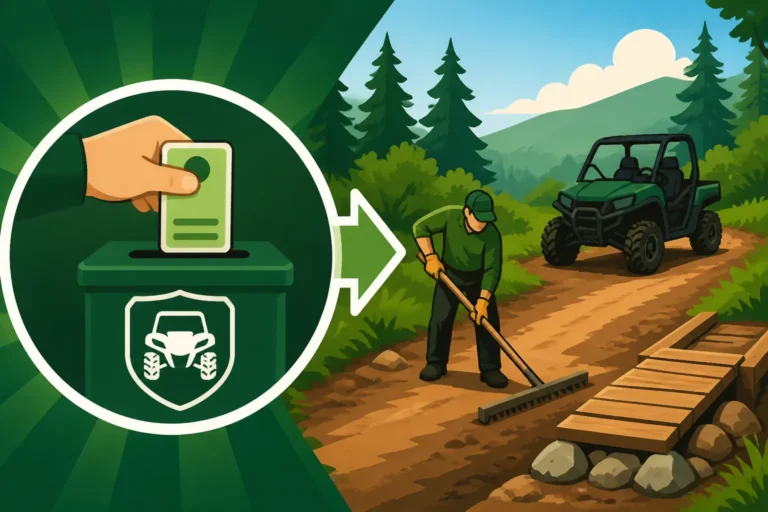
Properly registering your all-purpose vehicle in Ohio isn't just about avoiding a ticket; it's about contributing to the network of trails and services that make APV riding enjoyable and accessible in the state. The fees collected from APV registrations go into funds specifically dedicated to recreational vehicle programs. This money helps pay for things like trail maintenance, the development of new riding areas, and other initiatives that support the off-road community. So, every time you renew your registration and apply that sticker, you're directly investing in the future of Ohio APV riding.
Beyond funding, registration provides a level of accountability and aids in theft recovery. If your APV is ever stolen, its registration can help law enforcement track and return your machine. It also ensures that all riders are part of a regulated system, promoting responsible use and safety. For a comprehensive look at the process, explore [Registering an APV in Ohio] and delve into [Where Ohio APV Registration Money Goes] to see how your fees make a difference.
Where to Go for Registration and Renewals
When it comes time to register a new APV or renew an existing one, Ohio offers several convenient options. Most people handle their APV registration through a Deputy Registrar's office, which are often co-located with local BMV branches throughout the state. These offices provide in-person assistance, allowing you to complete the necessary paperwork and walk out with your plate and sticker on the spot.
However, for renewals, you might also have the option to complete the process online, which can be a huge time-saver. Check the Ohio BMV website for specific instructions and availability of online renewal services. It's always a good idea to bring all necessary documents with you, whether you're going in person or completing the process remotely. The state often allows you to renew your registration up to 90 days before its expiration, giving you ample time to ensure uninterrupted compliance. You can learn more about these processes by checking out [Ohio APV Registration Online], [Ohio APV Registration at a Deputy Registrar], or information on [Renewing an Ohio Registration Ninety Days Early].
Keeping Your Paperwork in Order
Even with your APV plate correctly mounted and its validation sticker perfectly placed, it's still crucial to keep your registration card and any other required paperwork in order and accessible. While the sticker provides a quick visual cue of your registration status, the physical registration card serves as the official document. In Ohio, it's generally recommended, and sometimes required, that you carry proof of your current APV registration with you whenever you're operating the machine.
Think about securing these documents in a waterproof bag in a storage compartment on your APV, or at least having them readily available on your person. This way, if you're ever stopped or asked for proof of registration, you have everything at hand. While an officer might first look at your sticker, they will likely ask to see the physical card to confirm details. Neglecting to carry it, even if your machine is properly registered, could lead to minor inconveniences. For more insights on this, refer to [Keeping Paperwork in a Toolbox] or [What Happens If You Ride Without Your Registration Card]. Being prepared ensures smooth sailing on your Ohio adventures.
Ohio APV Identification: Plate vs. Decal
To summarize the differences in identification methods used by Ohio for different recreational vehicles, here's a helpful comparison:
| Feature | Ohio All-Purpose Vehicle (APV) Plate | Ohio Snowmobile Decal |
|---|---|---|
| Type of ID | Metal plate with numbers/letters | Adhesive decal |
| Placement | Rear of the vehicle (fixed mounting) | Rear of the snowmobile (various) |
| Validation | Annual sticker in upper right corner | Expiration year on the decal |
| Purpose | General identification, enforcement | Specific to snowmobile operation |
| Visibility | Highly visible, durable | Visible, but can be obscured |
| Regulatory Reason | Broader use cases, varied terrain | Seasonal, specific snow trails |
This table highlights why Ohio uses distinct approaches for APVs and snowmobiles, emphasizing the specific needs and operational contexts of each vehicle type.
Disclaimer
This article is for general informational purposes only and does not constitute professional advice. Laws, prices and regulations vary by location and change over time. Consult a qualified professional for guidance on your specific situation.