How Registration Fees Pay for Trail Maintenance and Repair
It’s a fair question, one many of us veteran riders have asked ourselves over the years: where exactly does all that money go when we register our all-purpose vehicles (APVs) here in Ohio? You hand over your hard-earned cash at the deputy registrar, you get your plate and sticker, and you're left wondering if it’s just vanishing into the ether. But let me tell you, that registration fee is doing some serious heavy lifting behind the scenes, specifically in the ongoing effort to keep our beloved trails rideable, safe, and enjoyable. This guide is all about pulling back the curtain on how those fees translate directly into the maintenance and repair of Ohio's off-highway vehicle (OHV) trail systems.
The Journey of Your Registration Dollar: Beyond Just a Plate
When you complete the process for [Registering an APV in Ohio], it's not just about getting a legal identifier for your machine. That fee, which might seem like just another bureaucratic hurdle, is actually a vital investment in the infrastructure that supports our riding community. Ohio has a dedicated system in place to ensure these funds are put to good use, directly benefiting you and fellow riders.
Understanding Ohio's Recreational Vehicle Fund
The bedrock of this funding model is the Ohio State Recreational Vehicle Fund. Think of it as a special pot of money, specifically earmarked for activities and infrastructure related to recreational vehicles, including ATVs and UTVs. When you pay your registration fee, a significant portion of that money doesn't just go into the general state budget; it's directed right into this fund. This dedicated approach means that the money collected from riders is predominantly spent on things that directly impact riders. It’s designed to be a self-sustaining ecosystem where the users contribute to the upkeep of what they use. It helps answer the big question of [Where Ohio APV Registration Money Goes], ensuring transparency and accountability in the system.
Without this fund, the financial burden for maintaining trails would likely fall to general tax revenues, making it a much lower priority compared to other state needs. By having a specific fund fed by user fees, the state is committing to support the APV community and recognize its economic and recreational value. This commitment ensures that year after year, there's a reliable source of income for trail projects, rather than hoping for scraps from a much larger, more competitive budget.
How APV Fees Directly Fuel Trail Care
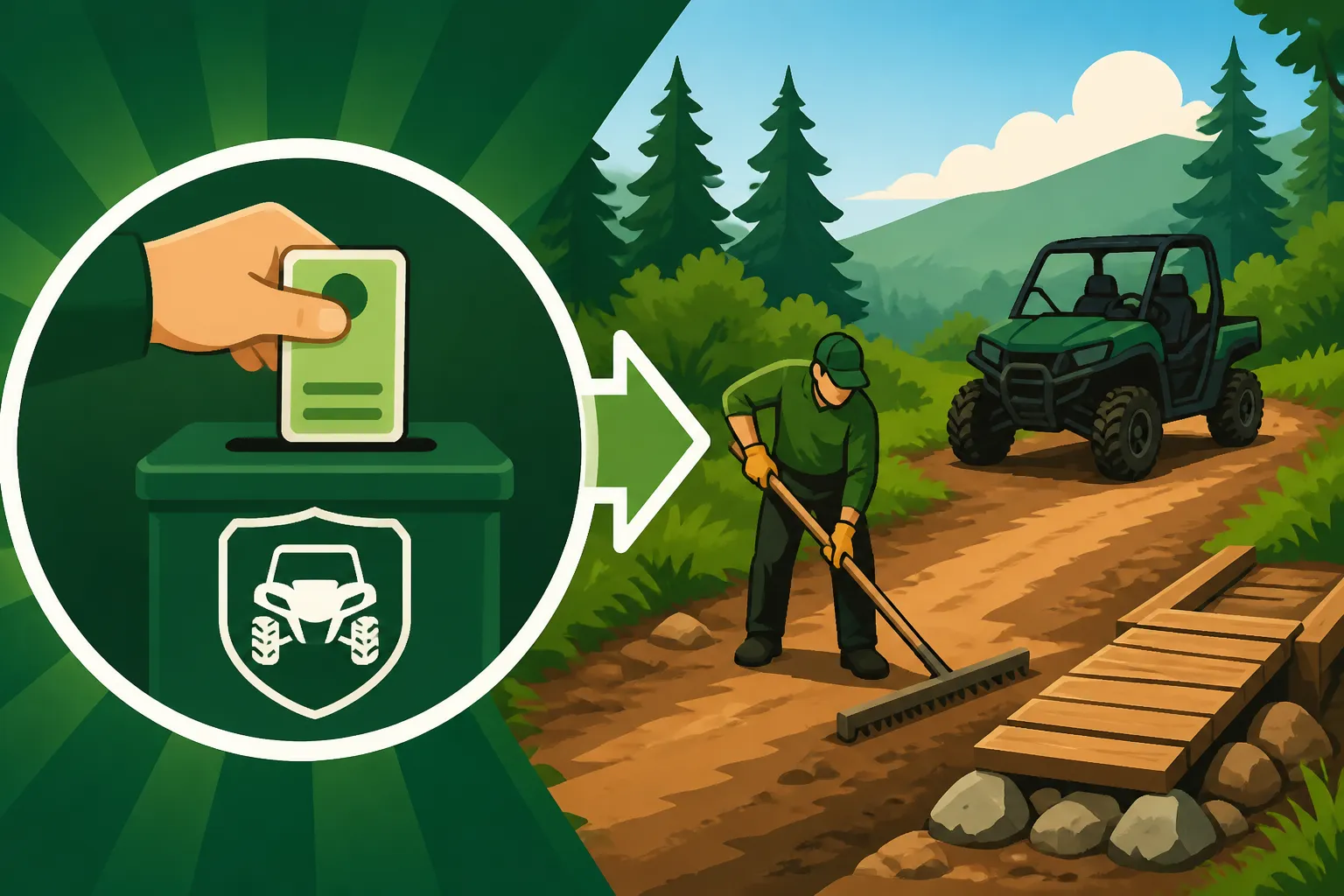
So, how does that money in the Recreational Vehicle Fund actually translate into a better ride for you? It's pretty straightforward: the funds are allocated to various state agencies, primarily the Ohio Department of Natural Resources (ODNR), which manages most of our public riding areas. These allocations fund everything from staffing trail crews to purchasing necessary equipment for trail work. Imagine the heavy machinery needed to clear fallen trees after a storm, the gravel required to resurface eroded sections, or the materials for building new bridges over tricky creek crossings. All these costs add up, and your registration fee plays a crucial role in covering them.
It's a direct pipeline: you pay your fee, that fee goes into the fund, and the fund disburses money to the folks on the ground who are out there with shovels, chainsaws, and heavy equipment, literally shaping the trails you ride. This connection is why understanding [What the State Recreational Vehicle Fund Pays For] is so important for every rider. It builds confidence that your contribution isn't lost, but actively engaged in preserving and enhancing your riding experience. This includes not only direct maintenance but also planning for new trails and improving existing facilities at trailheads, like parking lots and restrooms.
The Nitty-Gritty of Trail Maintenance and Repair
Trail maintenance isn't just a fancy phrase; it's a constant, often demanding job that requires skilled labor, specialized equipment, and a significant budget. The trails we enjoy across Ohio, especially in places like [Monday Creek Near Nelsonville] or the other [Ohio's Four State Forest APV Areas], don't magically stay in pristine condition. They are dynamic environments constantly battling erosion, weather, and heavy use.
What "Maintenance and Repair" Really Means on the Ground
When we talk about maintenance and repair, it encompasses a wide range of activities. It’s not just about fixing something once it breaks; it's also about proactive measures to prevent problems and improve the overall resilience of the trail system. Think about the impact of thousands of tires churning up dirt, especially after a good rain. Without consistent work, those trails would quickly become impassable, unsafe, or simply not fun to ride.
Here’s a look at some of the typical activities your registration fees help fund:
- Erosion Control: This is huge. Water runoff is the biggest enemy of trails. Fees pay for installing water bars, culverts, and drainage ditches to direct water away from the trail surface, preventing deep ruts and washouts.
- Surface Repair: Re-grading sections, adding gravel, or compacting surfaces to smooth out rough patches and fill in holes caused by erosion and heavy traffic. This makes for a more consistent and safer ride.
- Bridge and Culvert Maintenance: Repairing or replacing wooden bridges, ensuring culverts are clear of debris, and constructing new crossings where needed to improve safety and accessibility.
- Debris Removal: Clearing fallen trees, branches, and other obstacles after storms or due to natural decay. This is especially critical to keep trails open and prevent hazards.
- Signage and Marking: Maintaining clear and visible trail markers, warning signs, and informational kiosks. This helps riders navigate safely and stay on designated trails.
- Trail Expansion and Design: While most funds go to existing trails, some may be used for planning, surveying, and constructing new sections of trail to expand riding opportunities or re-route problematic areas.
- Facility Upkeep: Maintaining parking areas, restrooms, staging areas, and other amenities at trailheads, ensuring a positive experience from start to finish.
These tasks require regular attention, often by dedicated teams that work tirelessly throughout the riding season and even into the off-season.
Specific Projects Supported by Your Fees
Let's get a little more concrete. Imagine riding a section of trail at Monday Creek that used to be a muddy bog every spring. Your registration fees, channeled through the Recreational Vehicle Fund, might have paid for a crew to come in, install a new French drain, bring in several loads of crushed limestone, and re-grade that section so it drains properly. Now, instead of struggling through deep mud, you have a solid, rideable surface.
Or consider a bridge that's seen better days, with rotting planks and questionable stability. Funds from registrations would be allocated to replace that structure with a sturdy, new crossing, often made of more durable materials like steel or treated lumber. This isn't just about convenience; it's about rider safety. Every time you see a freshly graded section, a new informational sign, or a cleared path after a heavy storm, know that your registration fee contributed to that effort.
The Ohio Department of Natural Resources (ODNR) provides [Ohio Trail Maps From ODNR] and often publishes updates on trail conditions and projects, which can give you a real-time glimpse into the work being done. Sometimes, there might even be temporary [Ohio Trail Closures to Check First] due to significant repair work, which, while inconvenient, is a direct result of these funds being put to use for long-term improvement. These specific projects are what make our trail systems some of the best in the region, ensuring that we can all continue to enjoy them for years to come.
Why This Funding Model Matters for Ohio Riders
The system of using registration fees for trail maintenance isn't just a bureaucratic setup; it's a foundational element for the entire Ohio APV community. It creates a direct link between the riders and the quality of their riding experience, fostering a sense of ownership and investment.
The Impact of Consistent Funding on Trail Access
Consistent funding from registration fees is absolutely crucial for maintaining and, in some cases, expanding trail access. Without a reliable source of income, trail systems would inevitably deteriorate. This deterioration could lead to sections becoming permanently closed, entire areas being deemed unsafe, or simply a dramatic reduction in the quality of the ride. Imagine heading out for a weekend, only to find impassable trails or areas closed off due to lack of maintenance. It would be incredibly frustrating, especially for those who travel from afar and have made sure to get their [Ohio APV Plates and Validation Stickers] in order.
The steady flow of funds means that ODNR and other managing bodies can plan long-term projects, invest in specialized equipment, and retain experienced trail crews. This stability allows for proactive maintenance rather than reactive repairs, which is always more efficient and cost-effective in the long run. It's the difference between patching potholes on a neglected road versus regularly repaving to prevent them in the first place. This reliable funding ensures that when you choose to [Renewing an Ohio Registration Ninety Days Early], you're investing in a future where trails are open, safe, and exciting to ride.
The Connection Between Your Registration and Future Riding Opportunities
Ultimately, your registration fee is more than just a payment; it's an investment in the future of Ohio's APV riding scene. Every dollar contributes to the sustainability of the trails we have and opens the door for potential new ones. When the Recreational Vehicle Fund is healthy, it demonstrates strong support from the riding community, which in turn gives state agencies more leverage to advocate for and develop new riding opportunities.
Consider that a well-maintained trail system is more likely to attract new riders, which further boosts registration numbers, creating a positive feedback loop. It allows organizations like [The Ohio BMV and All-Purpose Vehicles] to see the tangible benefits of the registration system, reinforcing its importance. A thriving, well-supported trail system also helps mitigate environmental impacts, showing responsible stewardship and helping to address concerns from other land users. So, the next time you're getting your machine ready for a ride, or planning for your [Ohio APV Registration Cost], remember that your contribution is a vital part of keeping Ohio's trails alive and kicking for generations of riders to come. It truly is a community effort, funded by the very people who love to ride.
Disclaimer
This article is for general informational purposes only and does not constitute professional advice. Laws, prices and regulations vary by location and change over time. Consult a qualified professional for guidance on your specific situation.