Ohio Rules for Riding During Deer Season
There's nothing quite like hitting the trails on your ATV or UTV in Ohio, especially when the leaves are turning, and the air is crisp. But if you've ever planned a ride in the late fall or early winter, you've probably asked yourself: "What are the rules for riding during deer season?" It's a valid concern, not just for your safety, but also out of respect for hunters. This guide is here to clear up the confusion and equip you with the knowledge to enjoy Ohio's trails responsibly, even when the woods are buzzing with hunting activity.
Understanding Ohio's Hunting and Riding Seasons
The beautiful autumn and early winter months in Ohio are a prime time for both off-road enthusiasts and deer hunters. This overlap often leads to questions about how to share the landscape safely and legally. It’s not about one group having more right to the land than the other; it’s about understanding the specific regulations and practicing common courtesy to ensure everyone has a positive experience.
Overlapping Seasons: The Reality for Riders and Hunters
The truth is, deer season in Ohio, particularly archery and firearms seasons, often falls during some of the most enjoyable weather for ATV and UTV riding. This means more people are out and about in Ohio's rural and wooded areas, including public lands like state forests and the Wayne National Forest, as well as vast stretches of private property. For riders, it means increased traffic on access roads, more vehicles parked at trailheads, and a higher likelihood of encountering hunters on foot or in blinds.
This shared presence necessitates a heightened sense of awareness. Hunters are focused on their pursuit, often rising before dawn and staying out until dusk, moving quietly and deliberately. Off-road riders, while following designated trails, can generate noise and movement that might disturb hunting activities. Understanding this dynamic is the first step toward responsible riding. It’s about minimizing your impact and ensuring your presence doesn’t create an undue disturbance for those pursuing game.
General APV Riding Rules on Ohio Public Lands
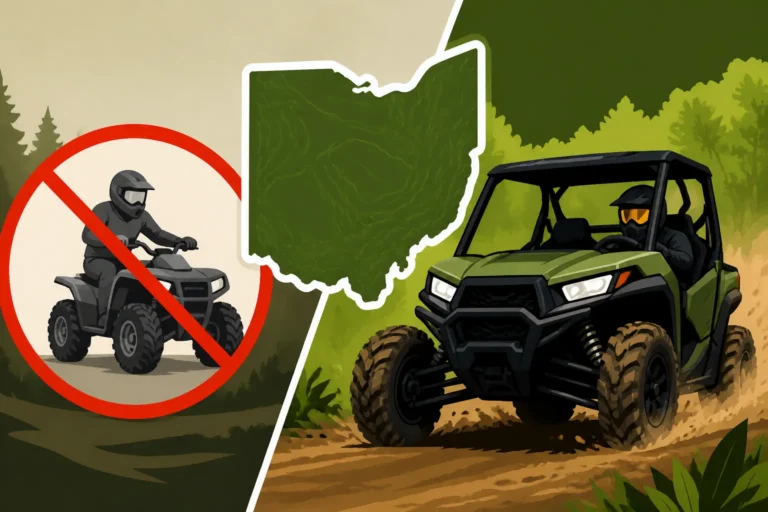
Even during deer season, the fundamental rules for operating your all-purpose vehicle (APV) on Ohio's public lands remain the same. The Ohio Department of Natural Resources (ODNR) and the U.S. Forest Service (for Wayne National Forest) have specific regulations regarding when and where you can ride. Generally, APV trails in state forests, such as those within [Ohio's Four State Forest APV Areas], are open during specific seasons, typically from early April until early December. However, it's crucial to always double-check the latest schedules, as conditions or timber operations can sometimes lead to temporary closures.
Trail riding hours are usually set from half an hour before sunrise to half an hour after sunset. These rules are in place for safety and to protect the environment, and they apply universally, hunting season or not. So, while you might be tempted to get an early start or extend your ride into twilight, remember that these are also peak hunting times, making adherence to official hours even more critical. The Wayne National Forest, part of [Wayne National Forest's Three Ohio Systems], has its own set of permits and rules, so be sure to check those specifically if you plan to ride there. And while most trails close for winter, don't forget that [Ohio Trails Open in Winter] at Maumee State Forest, though hunting seasons are still a consideration there too.
Safety First: Precautions During Deer Season
Riding an ATV or UTV is always an activity that requires attention to safety, but when you introduce deer season into the mix, that need becomes even more pronounced. The woods are simply a different environment when hunters are present, and taking extra precautions isn't just a good idea—it's essential for everyone's well-being. Thinking ahead and making a few adjustments to your routine can make all the difference.
Visibility Is Your Best Friend
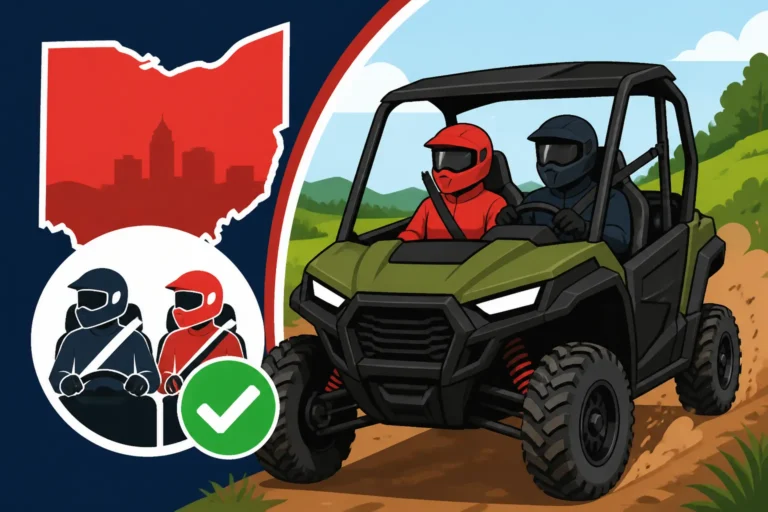
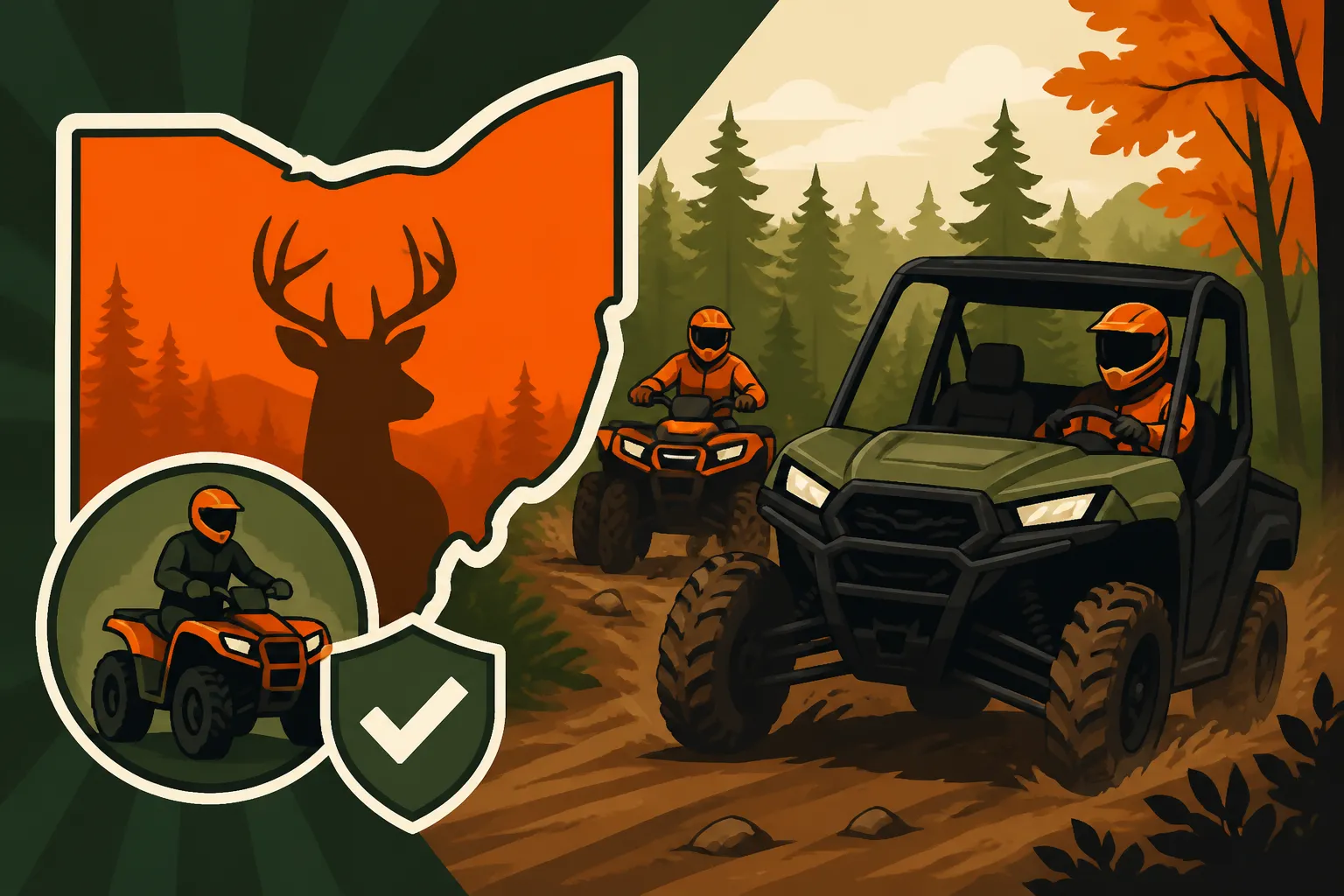
During deer season, there's one piece of advice that stands above all others: be seen. While Ohio law doesn't specifically mandate blaze orange for APV operators on trails, it is an absolute non-negotiable best practice. Hunters are trained to look for specific colors and shapes; a flash of movement without bright orange can easily be mistaken for game, especially in dense brush or low light. Donning a blaze orange vest, jacket, or even an orange helmet can literally save your life. Think of it as a courtesy and a personal safety measure wrapped into one.
Beyond just your clothing, consider making your machine more visible. Adding reflective tape to the front, sides, and rear of your ATV/UTV can dramatically increase its presence, particularly during dawn and dusk hours. Some riders even go a step further, attaching a brightly colored, tall flag to their machine, especially when riding in areas with rolling terrain or limited sightlines. If you're riding a UTV, ensuring your headlights and taillights are clean and functioning perfectly is crucial. While SuperATV offers a ton of great accessories for performance and utility, remember that basic visibility, like high-quality [Ohio ATV Helmet Costs] that come in bright colors, is key during hunting season.
Noise and Respect for Hunters
Let's face it: ATVs and UTVs aren't exactly silent. The rumble of an engine, the whine of a transmission, and the churn of tires on the trail can carry a long way through a quiet forest. While you're enjoying your ride, that noise can be a significant disturbance for hunters who rely on stealth and quiet to locate game. While you have every right to use designated trails, being mindful of your noise footprint goes a long way toward fostering a respectful relationship between riders and hunters.
Consider slowing down in areas where hunters are likely to be, such as near trailheads, parking lots, or known hunting blind locations. Keeping your speed in check not only reduces noise but also gives you more time to react if you encounter someone unexpectedly. If your machine has an aftermarket exhaust that's particularly loud, you might consider sticking to the stock muffler during hunting season. It’s a small sacrifice that can significantly reduce the potential for conflict and maintain the peace of the woods for everyone. This shared understanding makes the outdoor experience better for all.
Planning Your Ride and Communicating
A little planning before you head out can prevent a lot of headaches during deer season. Before you even load your machine, take a few minutes to check the Ohio Department of Natural Resources (ODNR) website or call the local ranger station for the specific riding area you intend to visit. They often post advisories or even temporary closures during peak hunting periods. Knowing the exact dates for different hunting seasons—archery, muzzleloader, shotgun—will help you anticipate increased hunter presence. This is particularly relevant for topics like [Ohio Riding in Hunting Season] where specific precautions are often highlighted.
Try to adjust your riding schedule if possible. Dawn and dusk are prime hunting times, when deer are most active. If you can, aim to do the bulk of your riding during the mid-day hours when hunting activity might be a bit lower. If you're riding with a group, make sure everyone is aware of the added safety precautions and the importance of visibility. If you happen to encounter hunters at a staging area or on the trail, a friendly wave or a brief, polite conversation can help establish mutual respect. Just a quick "Good luck with your hunt!" can go a long way. Many riders find accessories from brands like SuperATV helpful for preparing their machines for various trail conditions, but safety during deer season, including clear communication, is paramount.
Legalities and Landowner Considerations
Beyond personal safety, it's crucial to understand the legal framework and landowner expectations when riding during deer season in Ohio. The rules aren't always straightforward, especially when balancing public land access with private property rights and hunting activities. Navigating these distinctions correctly ensures you're riding legally and responsibly, protecting both yourself and the reputation of the off-road community.
Public vs. Private Land Riding During Deer Season
The distinction between public and private land is paramount, especially when hunting season is in full swing. On public lands, like state forests or the Wayne National Forest, you must stick strictly to designated, marked trails. Veering off-trail, even slightly, can lead to citations and is seen as disrespectful to both the environment and other users, including hunters. These areas have specific regulations designed to manage diverse recreational uses, and understanding them is key to responsible riding. This is why it's so important to consult official trail maps and follow all posted signage.
When it comes to private land, the rules are different and often more complex, especially with hunting leases becoming increasingly common. Even if you have general permission to ride on a specific piece of private property, it is absolutely essential to get [Ohio Landowner Permission Requirements] specifically for riding during hunting season. The landowner might have granted a hunting lease that takes precedence, or they might have specific times or areas they don't want you riding to avoid disturbing game. Riding on private land without explicit permission, particularly during hunting season, can lead to serious legal issues like trespassing charges, which are often taken very seriously by landowners and law enforcement. Remember, something like [Riding a Farm Lane Without Permission] can quickly become a serious incident if hunters are present and feel their activities are being disrupted.
Carrying Firearms and Game on Your APV
For many, deer season means combining their love for riding with their passion for hunting. If you're planning to use your ATV or UTV for hunting-related activities, it's critical to understand Ohio's specific laws regarding firearms and game transport. Generally, when you're on your machine, any firearm must be unloaded and securely cased. This isn't just a safety rule; it's a legal requirement designed to prevent accidents and ensure responsible handling of weapons in the field. Never ride with a loaded, uncased firearm on your ATV or UTV.
Regarding game retrieval, Ohio law has specific stipulations. While ATVs and UTVs can be invaluable tools for getting a harvested deer out of challenging terrain, their use for retrieval is often restricted. On public lands, using an APV to retrieve game is typically prohibited, meaning you'll need to drag your deer out the old-fashioned way. However, on private land, with the landowner's explicit permission, you may be able to use your machine. Always check the current ODNR regulations on [Ohio Rules for Carrying a Firearm on an APV] and [Ohio Rules for Retrieving Game by APV] to ensure you're in compliance. Ignoring these rules can lead to significant fines and penalties.
Respecting Boundaries and Posted Signs
During deer season, signs become more than just markers; they are critical warnings and directives. "No Trespassing," "Hunting Area," or "Private Property" signs must be respected without exception. Even if you believe you know the area well, property lines can be subtle, and a small deviation from a trail could inadvertently place you on private land where hunting is actively taking place. This is especially true when terrain changes, or familiar landmarks are obscured by new growth or seasonal changes.
Staying on clearly marked trails on public land is not just about avoiding citations; it's about minimizing your impact on the ecosystem and respecting other users. Off-trail riding can damage fragile habitats and disrupt game animals, which in turn impacts hunters. Taking the time to study a map and understand the boundaries of public and private land before you ride is a worthwhile investment. Navigating unfamiliar terrain can be made easier with good maps, and some riders even use specialized GPS units that SuperATV offers mounts for, to stay on track and ensure they respect all boundaries. Knowing [Blaze Orange on an Ohio November Ride] is not just about personal safety, but about clearly distinguishing yourself from game for ethical hunting. And it is always a good idea to check [Checking Ohio Fire Rules Before a Ride] as fire risks can be higher in dry autumn conditions, an additional hazard to consider.
Here’s a quick summary of key tips for riding your APV during Ohio's deer season:
| Consideration | Key Action | Benefit |
|---|---|---|
| Visibility | Wear blaze orange; add reflective material to machine. | Prevents misidentification by hunters; increases personal safety. |
| Noise Reduction | Slow down near common hunting areas; consider stock muffler. | Reduces disturbance to hunters; promotes harmonious coexistence. |
| Ride Planning | Check ODNR for hunting season dates & trail status; ride mid-day. | Avoids peak hunting times; prevents unexpected trail closures. |
| Landowner Respect | Get explicit permission for private land use, especially during hunting. | Avoids trespassing charges; respects hunting leases and landowner wishes. |
| Firearm Transport | Unload and case firearms when on your machine. | Ensures legal compliance and prevents accidental discharge. |
| Game Retrieval | Understand public vs. private land rules for using APVs to retrieve game. | Avoids fines and violations of hunting regulations. |
| Signage Awareness | Always obey "No Trespassing" and "Hunting Area" signs. | Respects private property; avoids legal issues. |
Disclaimer
This article is for general informational purposes only and does not constitute professional advice. Laws, prices and regulations vary by location and change over time. Consult a qualified professional for guidance on your specific situation.