Buying a Used APV in Ohio
Thinking about picking up a used ATV or UTV in Ohio? It's an exciting prospect, especially with all the fantastic trails and open spaces our state offers. But let's be real, the thought of buying used can also bring a knot to your stomach – nobody wants to end up with a money pit or, worse, a machine you can't even legally ride. This guide is here to walk you through the ins and outs of buying a pre-owned all-purpose vehicle (APV) in Ohio, helping you make a smart, legal, and satisfying purchase.
The Allure and Risks of Buying Used
There's a special thrill that comes with finding a great deal on a used machine, isn't there? You're picturing yourself out on the trails, making memories, and all for a fraction of the cost of a brand-new model. But while the used market is full of potential treasures, it also has its share of traps for the unwary.
Why Go Used?
Let's face it, one of the biggest draws of buying a used APV is the sticker price. New machines, whether they're roaring sport quads or spacious side-by-sides, can be a significant investment. Going the used route often allows you to get more machine for your money, or simply to get into the sport without breaking the bank. Depreciation hits these vehicles pretty hard in their first few years, which means a two or three-year-old machine can be significantly cheaper than new, even if it's still in excellent condition.
Think about it like this: your buddy just snagged a gently used Yamaha Grizzly for what felt like a steal, and it runs like a dream. You see the immediate value in that. Plus, the used market offers a wider variety of models, sometimes even classics that aren't made anymore, allowing you to find a machine that perfectly fits your style and needs without the pressure of a showroom floor. It's about smart budgeting and finding that perfect match for your off-road adventures, whether it's for hunting, trail riding, or just working around the property.
Common Pitfalls to Avoid
Now, for the flip side. We've all heard those horror stories about someone buying a seemingly great deal only to discover a laundry list of expensive problems. Hidden mechanical issues are a major concern – maybe the seller "cleaned up" a leaky engine or masked a transmission problem with some thick grease. You might encounter an electrical gremlin that only shows up on the third hour of a ride, or suspension components that are completely shot.
Beyond the mechanical headaches, there are legal and ownership pitfalls. Imagine buying an APV only to find out it has an outstanding lien, meaning the previous owner still owes money on it. Or what if the seller doesn't have a proper title? In Ohio, that's a huge problem for registration, and you could end up with a machine you can't legally ride. Sometimes, folks sell machines they don't actually own, leading to even more serious legal trouble for you. It's a real bummer when you've shelled out your hard-earned cash only to discover you've bought a headache instead of a fun ride, which is why due diligence is absolutely non-negotiable.
Essential Paperwork: Don't Get Burned
When buying an APV, the paperwork is just as important as the machine itself. Ohio has specific requirements, and getting these wrong can turn your exciting purchase into a frustrating ordeal. Think of the title and bill of sale as your legal shield.
The Ohio APV Title
In Ohio, the title is your official proof of ownership. Without a clear, properly transferred title, you absolutely cannot register your APV with the state, which means you cannot legally ride it on public land or any designated APV trails. It's that simple. If you're looking at a machine and the seller tells you they don't have a title, or that it's "not really needed for an ATV," consider that a massive red flag and potentially a deal-breaker. Ohio law is quite clear about requiring titles for most APVs. If you're wondering [Do You Need a Title for an ATV in Ohio?], the answer is almost always yes.
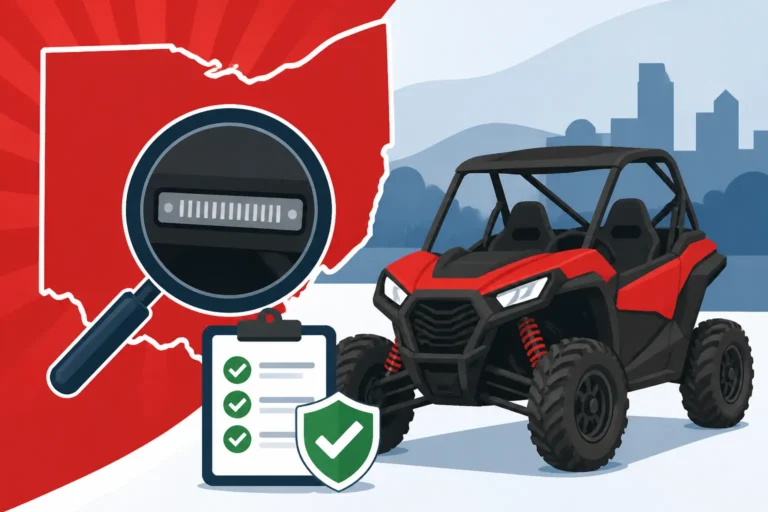
Before you even think about handing over any money, always ensure the Vehicle Identification Number (VIN) on the physical machine matches the VIN printed on the title document. Discrepancies here can indicate a stolen machine or a fraudulent title. Make sure the seller's name on the title matches their identification. This isn't just bureaucratic red tape; it's a critical step to protect yourself from buying a machine that legally isn't the seller's to sell, or one that's been pieced together from different machines.
The Ohio Bill of Sale
Even if you're buying from a private party, a bill of sale is a crucial document. While the title officially transfers ownership, a bill of sale provides a detailed record of the transaction itself. It should clearly state the date of sale, the purchase price, the full names and addresses of both the buyer and the seller, and the complete VIN of the APV. This document can be incredibly useful later on, especially if there's any dispute about the sale or if you need to prove the date of purchase for sales tax purposes.
You can often find generic bill of sale forms online, but using a template from a reputable source like LawDepot can ensure it covers all the necessary legal points specific to vehicle sales. Always make sure both parties sign and date at least two copies – one for you and one for the seller. Don't skip this step, even if you know the seller personally. A well-executed [An Ohio Bill of Sale for an APV] protects everyone involved. It's a small step that can save you a huge headache down the road if any questions arise about the transaction.
Understanding Liens and Ownership History
One of the biggest financial risks when buying a used APV is inadvertently purchasing a machine with an outstanding lien. A lien means that a bank or another lender has a financial claim on the vehicle because the previous owner still owes money on it. If you buy an APV with a lien, and the seller stops making payments, the lender could repossess your newly purchased machine – even though you paid for it in good faith! That's a devastating scenario no one wants to face.
Before finalizing any purchase, you should always check with the local Clerk of Courts title office to see if there are any outstanding liens on the APV. They can perform a title search using the VIN. If a lien exists, ensure the seller provides proof that it has been fully satisfied and that the lienholder has officially released their claim. The seller might need to meet you at the title office to complete this process. Never take possession of an APV or hand over payment until you're absolutely sure the title is clear. Understanding [Buying a Quad With a Lien on the Title] is essential for your financial protection.
| Document | Purpose | Key Information | Where to Get/Verify |
|---|---|---|---|
| APV Title | Legal proof of ownership, required for registration | Seller's name, buyer's name, VIN, odometer reading (if applicable), purchase price | Seller (then Ohio Clerk of Courts for transfer) |
| Bill of Sale | Record of transaction, legal protection | Buyer/seller names, addresses, date, price, VIN, terms | Buyer/Seller (templates available from LawDepot) |
| Lien Release | Proof no outstanding debt on APV | Lender's name, APV VIN, statement of lien satisfaction | Lender (verify through Clerk of Courts) |
| VIN Check Report | History of vehicle (theft, accidents) | Previous titles, accident history, salvage status | Online services (e.g., VINCheck, NICB) |
Inspecting Your Potential Purchase
Once the paperwork looks good, it's time to get your hands dirty and inspect the actual machine. A thorough inspection can reveal a lot about how the APV has been treated and what kind of life it has led. Don't rush this part – it could save you thousands in future repairs.
The Critical VIN Check
Before you even delve into the mechanics, make sure the VIN on the machine matches the VIN on the title document you just reviewed. The VIN is typically stamped into the frame of the APV, often near the steering head or on the lower frame rail. It's a unique identifier, and if these numbers don't match, you could be looking at a stolen machine, a re-stamped frame, or a title that belongs to a different vehicle altogether. This is a non-negotiable step. If the VINs don't align, walk away immediately. It's crucial for your legal safety and to ensure the machine isn't stolen. You can also run the VIN through online databases, often for a small fee, to check for reported theft, accident history, or previous salvage titles. This can give you an invaluable insight into the APV's past and is a key part of [Checking a VIN Before an Ohio Purchase].
Sometimes, the VIN plate or stamping can be damaged or difficult to read due to rust or mud. Take your time, bring a flashlight, and even some steel wool (with the seller's permission) to clean off any grime. A clear and legible VIN is paramount. If you can't read it clearly, or if it appears altered in any way, consider it a serious red flag.
Mechanical Walk-Through
This is where you put on your detective hat. Start with a cold engine – literally. If the seller has already started the machine before you arrive, that's a red flag, as they might be trying to hide a hard-starting issue. Listen for any unusual noises during startup, like knocking, grinding, or excessive smoke. Once running, let it warm up and listen for the engine to smooth out. Check for fluid leaks around the engine, transmission, and differentials. Look at the oil dipstick and coolant reservoir; clean fluids suggest good maintenance, while milky or sludgy fluids indicate neglect or a serious problem.
Next, inspect the frame for any cracks, bends, or poor weld repairs. Pay close attention to suspension mounting points, as these areas take a lot of stress. Check the condition of the tires (tread depth, cracks in sidewalls) and wheels (dents, bends). Test the brakes – both front and rear – to ensure they engage firmly and don't feel spongy. Wiggle the handlebars and wheels to check for excessive play in bearings and bushings. Don't let a clean shine distract you from a leaky fork seal or worn out tie-rod ends! Bringing a knowledgeable friend who knows APVs inside and out can be a huge advantage here.
Test Ride: Listen, Feel, Observe
Assuming the mechanical walk-through goes well, a test ride is the next crucial step. First and foremost, prioritize safety. Always wear a helmet and appropriate riding gear, even for a short spin. If the seller offers, ensure you're in a safe, open area, away from public roads unless they're legally open for APVs and you have the necessary plates and permits. Your goal isn't to set a land speed record, but to feel how the machine operates under power.
During the ride, pay attention to how the steering feels – is it loose, or does it pull to one side? Do you feel any strange vibrations or hear unusual noises when accelerating or braking? Test the brakes at different speeds, noting how quickly and smoothly the machine stops. Cycle through all the gears, making sure they engage positively without slipping or grinding. If it's a 4×4, test both two-wheel and four-wheel drive. A brief test ride can reveal a surprising amount about the machine's overall health and handling, and it's your best chance to uncover any hidden issues before you commit to the purchase.
The Purchase Process and Aftermath
You've found the perfect machine, the paperwork checks out, and the inspection was positive. Now comes the exciting part: making the deal and bringing your new (to you) APV home. This phase also has important legal and logistical steps you can't afford to overlook.
Negotiating the Price
Before you even start negotiating, you should have a good idea of what similar machines are selling for in your area. Use online classifieds, auction results, and local dealer listings to research the market value of the specific make, model, and year you're interested in. During your inspection, you probably noted some issues – maybe the tires are worn, or it needs a new battery. These observations are your leverage for negotiation. Be polite but firm, and don't be afraid to make a reasonable offer that reflects the machine's condition and any immediate repairs it might need.
It's always wise to have a maximum price in mind and be prepared to walk away if the seller isn't willing to meet a fair compromise. There are always other machines out there. Remember, the goal is a win-win scenario where you get a good deal, and the seller feels fairly compensated. Consider the total cost of ownership, including [Ohio APV Sales Tax Rate] and future registration fees, when setting your budget.
Completing the Sale and Title Transfer
Once you've agreed on a price, it's time to finalize the transaction. The safest way to do this is to meet the seller at an Ohio Clerk of Courts title office. This way, you can simultaneously hand over payment and have the title transferred into your name right then and there. Both you and the seller will need to sign the title in the designated spots. The title office will collect the appropriate title fees and any applicable sales tax, including your county's permissive sales tax, which is charged in addition to the state's rate.
Taking care of the transfer at the title office ensures that there are no delays or issues with the paperwork later. It protects both parties by making the transaction official and immediate. If the seller insists on doing the exchange elsewhere, be cautious, and be absolutely sure you understand the risks involved. Don't forget that if you are taking ownership of an APV from an estate, the process for [Transferring an APV Title After the Owner Dies] has specific requirements you'll need to follow.
Registration and Getting Ready to Ride
Congratulations, you're now the proud owner of a used APV! But your journey isn't quite complete. To legally ride your machine in Ohio, you'll need to register it. With your newly acquired, properly transferred title in hand, your next stop is a Deputy Registrar office. These are the folks who handle the actual registration and issue your [Ohio APV Plates and Validation Stickers]. The registration is typically for a three-year cycle, and you'll pay a fee for the registration itself, plus a small deputy registrar service fee.
It's critical not to skip this step. Riding an unregistered APV on public lands or trails can lead to fines and other legal consequences. The registration process ensures your machine is properly identified and contributes to the state fund that helps maintain Ohio's fantastic trail systems. Get your plate, affix your validation stickers, and keep your registration card with you when you ride. It's the final piece of the puzzle to ensure your new-to-you APV is ready for all the adventures Ohio has to offer. For more detailed steps on this, you can always refer to our guide on [Registering an APV in Ohio].
Common Scenarios and What to Do
The process of buying a used APV isn't always a straightforward, textbook transaction. You might encounter various situations that require a little extra knowledge or caution. Let's explore a few common ones.
Buying from a Friend or Family Member
It's really tempting to cut corners when you're buying an APV from someone you trust, like a friend or a family member. You might think, "Oh, we don't need all that paperwork, we trust each other." But honestly, that's precisely when you most need to follow all the proper legal steps. Even with the best intentions, memories can fade, and circumstances can change. Imagine a scenario where, years down the line, an issue arises with ownership or a lien comes to light. Without a clear bill of sale and a properly transferred title, you could find yourself in a sticky situation, potentially jeopardizing your friendship or family relationship.
Always get a formal bill of sale, even for a zero-dollar transaction if it's a gift. LawDepot can provide you with a straightforward bill of sale template that details the transfer. Then, both parties should go to the Clerk of Courts title office to officially transfer the title. This protects both you and the seller, ensuring that the ownership change is legally recorded and preventing any future misunderstandings or complications. It might feel a bit formal for a family transaction, but it’s truly the best way to safeguard everyone involved.
What if the Seller Doesn't Have a Title?
This is a major red flag, and in most cases, my advice is simple: walk away. In Ohio, most APVs require a title for legal ownership and registration. If a seller can't produce a title, it opens up a Pandora's box of potential problems. The machine could be stolen, it might have an undisclosed lien, or it could be an "abandoned" vehicle that the seller doesn't legally own. Trying to register an APV in Ohio without a title is incredibly difficult, often requiring a complex and lengthy bonded title process, or even a court order.
Unless you are a seasoned expert in vehicle law and are prepared for a potentially significant legal and financial headache, purchasing an APV without a title is a risk you shouldn't take. You could end up with a machine that you legally cannot ride anywhere off your own private property, or worse, one that gets confiscated if it's found to be stolen. For a full breakdown of the issues, you might want to review [Buying a Quad With No Title]. It's better to be patient and find a machine with clear, undisputed paperwork.
Dealing with Out-of-State Machines
Buying an APV from a seller in another state can add a layer of complexity to the process because different states have different titling laws. Some states don't title ATVs at all, while others have processes similar to Ohio's. If you're considering an out-of-state purchase, your first step should be to understand the titling requirements of that specific state. If that state doesn't issue titles for APVs, you'll need to know what documentation they do provide as proof of ownership (e.g., a registration card, bill of sale, or manufacturer's certificate of origin).
When you bring an out-of-state machine into Ohio, you'll need to satisfy Ohio's titling and registration requirements. This usually involves presenting the out-of-state ownership documents to the Ohio Clerk of Courts title office. They will determine if the paperwork is sufficient to issue an Ohio title. It's often a bit more involved than buying an Ohio-titled machine, so be prepared for a few extra hoops. However, it's entirely doable if you have all the proper documentation from the seller. Always review resources like [Registering an Out-of-State Machine in Ohio] to ensure a smooth transition.
Disclaimer
This article is for general informational purposes only and does not constitute professional advice. Laws, prices and regulations vary by location and change over time. Consult a qualified professional for guidance on your specific situation.