Studded Tires on Ohio Ice
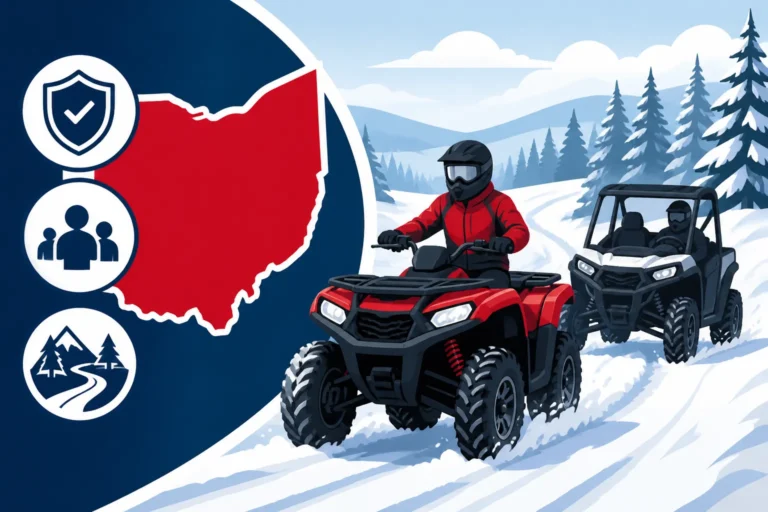
Navigating Ohio's winter landscapes on your all-purpose vehicle (APV) or utility terrain vehicle (UTV) offers a unique thrill, but the sudden appearance of ice and compacted snow on roads can turn an exhilarating ride into a dangerous gamble. Many riders, especially those who venture onto legally designated roads or trails that become shared pathways, grapple with the challenge of maintaining traction and ensuring safety when temperatures plummet and the world turns slick. This guide delves into the specifics of using studded tires for your APV or UTV in Ohio, exploring the legal landscape, practical considerations, and essential safety practices to keep you upright and compliant through the colder months.
The Allure and Peril of Winter Riding in Ohio
There's something undeniably magical about riding your ATV or UTV through a fresh blanket of snow, with the crisp winter air invigorating your senses and the familiar trails transformed into a serene, white wonderland. However, this beauty often masks significant challenges, especially when ice enters the picture.
Why Riders Seek Winter Adventures
For many, winter isn't a season to put the machines away; it's a call to a different kind of adventure. The quiet solitude of snow-covered trails, the unique challenge of navigating varying depths of powder, and the stark beauty of a winter forest create an experience unlike any other. It’s a chance to test your skills against new conditions, to see familiar landscapes with fresh eyes, and to escape the crowded trails of warmer months. Some riders rely on their APVs or UTVs for winter chores, too, like plowing driveways or accessing remote hunting camps, where reliable traction isn't just a convenience but a necessity. This drive to keep riding, whether for recreation or utility, often leads to questions about how best to equip a machine for icy conditions.
The Dangers of Ice and Compacted Snow
While snow can be fun, ice is an entirely different beast. A thin, almost invisible layer of black ice can turn a gentle curve into a terrifying slide, stripping your tires of any meaningful grip in an instant. Compacted snow, especially after a thaw and refreeze cycle, can be nearly as treacherous, offering little more friction than solid ice. The dangers extend beyond just slipping; a sudden loss of traction can lead to collisions with trees, other vehicles, or unexpected obstacles hidden beneath the snow. Even a low-speed slide can result in a significant injury or damage to your machine. For those who frequently ride where paved or gravel roads might be covered in these slick conditions, the need for enhanced traction becomes critically important, prompting many to consider specialized equipment like studded tires.
Ohio Law and Studded Tires for APVs and UTVs
When it comes to equipping your APV or UTV with studded tires, understanding Ohio's legal framework is paramount. It’s not just about personal preference or perceived safety; it’s about compliance to avoid potential fines or legal issues, especially if you plan to use your machine on any public roads.
What Ohio Says About Studs on Public Roads
Ohio law generally addresses studded tires for conventional vehicles, and APVs or UTVs operating on public roads usually fall under these same regulations, unless a specific exemption applies. The state of Ohio permits the use of studded tires on motor vehicles, including your APV or UTV, only during a specific window each year. This period typically begins on November 1st and concludes on April 15th. Outside of these dates, using studded tires on public roadways is generally prohibited. The reasoning behind this seasonal restriction is primarily to protect road surfaces from excessive wear and tear that studs can cause on bare pavement. It’s a balancing act between allowing improved traction in winter conditions and preserving infrastructure. This means that if you're planning to ride your APV or UTV on any county or township roads that have been opened to these vehicles, or even just crossing a state route, you must adhere to this timeframe. Riding on an expired sticker is one thing, but running studs outside the legal window can draw unwanted attention.
It's crucial to remember that this regulation applies to public roadways, including those [Ohio Winter Road Riding Rules] that may be open to APVs and UTVs by local resolution. While riding entirely on private land, you might have more leeway, the moment your wheels touch a public thoroughfare, state law comes into play. Enforcement can vary, but an officer encountering a machine with studded tires outside the legal period on a public road could issue a citation. This is why knowing the exact dates is so important for Ohio riders.
Applying the Rules to Your ATV/UTV
For APV and UTV riders, applying these general rules can sometimes feel a bit murky, especially given the dual nature of these machines – often used off-road but sometimes on roads where permitted. If your machine is registered and plated for road use in Ohio, and you intend to travel on any public road, even a township road where [Riding a Snow-Covered Township Road] is allowed, the November 1st to April 15th rule for studded tires is your guideline. This includes short stints to get to a trail, crossing a highway, or navigating village streets that have been legally opened to APVs.
The distinction between a "motor vehicle" and a specific "off-highway vehicle" can sometimes cause confusion, but when APVs and UTVs are granted access to public roads, they are generally expected to comply with standard motor vehicle laws that apply to road use. This means your choices regarding tires are no different than for a car or truck, albeit with the consideration of the unique demands of off-road vehicles. If you're riding exclusively on designated state forest trails or private land, the state's studded tire dates for public roads don't directly apply in the same way. However, even on trails, some land managers might have their own guidelines or recommendations regarding tire types to minimize trail damage, though these are typically not legally binding in the same way state road laws are. Always check with the specific land manager for any unique trail rules.
Practical Considerations for Studded Tires
Beyond the legalities, there's a whole host of practical elements to weigh when deciding if studded tires are the right choice for your winter APV or UTV adventures. It’s not a one-size-fits-all solution, and understanding their performance characteristics is key.
When Studs Make Sense and When They Don't
Studded tires are fantastic for specific conditions, but they aren't a magic bullet for all winter riding. Their primary benefit lies in their ability to bite into ice and hard-packed snow, providing superior traction where regular tires would simply slide. If your winter riding frequently involves navigating icy patches, crossing frozen streams (where safe and permitted), or traveling on roads that regularly develop a glaze of ice, studs can significantly enhance your safety and control. They can make the difference between a confident ride and a white-knuckle experience, especially when coming to a stop or trying to climb a slick incline.
However, studded tires also come with drawbacks. On bare pavement, studs can actually reduce traction compared to a good quality winter tire, as the metal studs lift the rubber slightly off the road surface. This can lead to a "squirmy" feeling, increased stopping distances on dry surfaces, and accelerated wear on the studs themselves. They are also notoriously noisy on pavement and can contribute to road damage, which is why Ohio, like many states, restricts their use to specific months. For riders who primarily encounter soft snow or mud, or who stick to trails that rarely see significant ice, the benefits of studs might be outweighed by their disadvantages and added cost. It's a calculation based on your typical riding environment and conditions.
Types of Studs and Tire Options
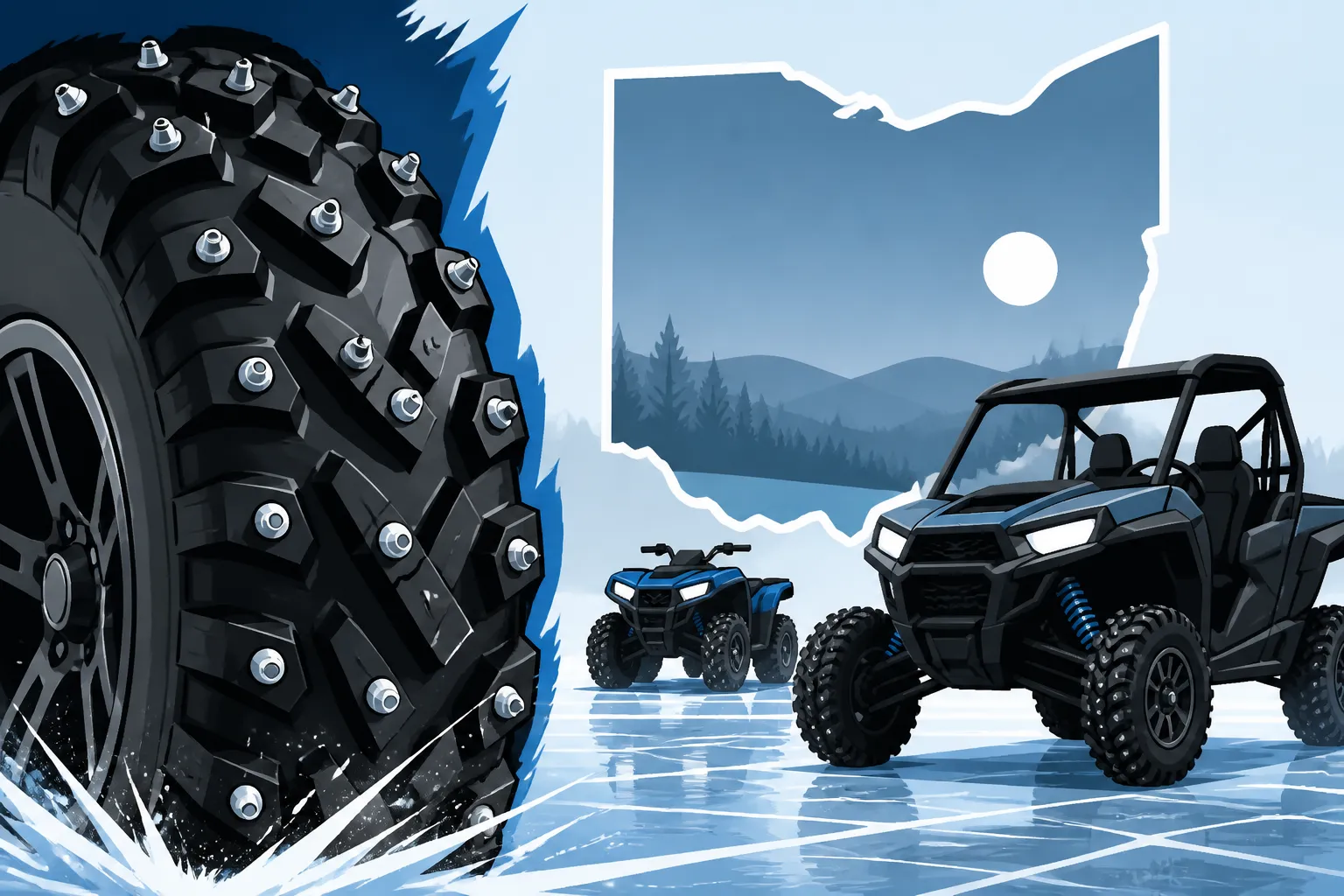
When we talk about studded tires for ATVs and UTVs, we're generally referring to two main categories: tires that are pre-studded by the manufacturer, or tires that are designed to accept screw-in studs. Pre-studded tires often come with specialized carbide studs embedded directly into the tread during manufacturing. These are typically highly durable and designed for optimal performance, though they can be more expensive.
Screw-in studs offer a more customizable and often more affordable solution. You can purchase tires with pre-drilled holes or use a drill to create your own, then simply screw in the studs. This allows you to choose the density and placement of studs based on your specific needs and expected conditions. Many riders find this a good compromise, allowing them to add studs to their existing aggressive-tread tires. Companies like SuperATV, for instance, offer a range of tire options and accessories that can be adapted for winter riding, though they might not always come pre-studded. They and similar brands cater to the rugged demands of off-roaders, and while studs aren't always a standard feature, their aggressive tread patterns often provide a good base for adding traction aids. Selecting the right type of stud also matters; carbide studs are generally preferred for their superior hardness and grip on ice.
Installation and Maintenance
Proper installation of studded tires is crucial for both performance and safety. If you opt for screw-in studs, carefully following the manufacturer's instructions for drilling and insertion is key. Incorrectly installed studs can fall out, reduce tire integrity, or even cause damage to your machine or other vehicles. It's often a job best left to a professional tire shop, especially if you're not comfortable with the process.
Once installed, studded tires require specific maintenance. Regularly check for loose or missing studs and replace them as needed. Tire pressure remains critically important; proper inflation ensures the studs make consistent contact with the ground and helps with overall handling. When the studded tire season ends (April 15th in Ohio), you'll need to remove the studs or swap out the tires entirely if you plan to use your machine on public roads again. Storing your studded tires properly during the off-season, ideally in a cool, dry place away from direct sunlight, will help preserve the rubber and the studs for future winters. Neglecting these steps can significantly shorten the lifespan of your studded tires and compromise their effectiveness when you need them most.
Here's a quick comparison of the pros and cons to help you weigh your decision:
| Feature | Pros of Studded Tires | Cons of Studded Tires |
|---|---|---|
| Traction | Exceptional grip on ice and hard-packed snow | Reduced grip on dry pavement; can feel "squirmy" |
| Safety | Increased control, stopping power, and stability on ice | Potential for reduced braking on bare surfaces |
| Legality | Permitted in Ohio from Nov 1st to April 15th | Illegal on public roads outside the specified dates |
| Cost | Initial investment can be higher than regular tires | Can accelerate wear on studs and road surfaces |
| Noise | Significantly louder on pavement | Annoying road noise; may detract from quiet rides |
| Versatility | Specialized for icy conditions | Less effective in deep, soft snow or heavy mud compared to dedicated mud tires |
| Maintenance | Requires checking for loose/missing studs | Can be labor-intensive to install/remove studs each season |
Safe Winter Riding Practices Beyond Studs
While studded tires offer a significant advantage on ice, they are just one piece of the puzzle for safe winter riding in Ohio. A holistic approach that includes proper gear, machine preparation, and skilled riding techniques is essential for a truly enjoyable and secure cold-weather experience.
Essential Gear and Machine Prep
Before you even think about hitting a snow-covered [Ohio Rules for Riding a Snow-Covered Road] or icy trail, make sure both you and your machine are ready for the conditions. For yourself, layered clothing is non-negotiable. Start with moisture-wicking base layers, add insulating mid-layers, and top it off with a waterproof and windproof outer shell. Warm gloves, insulated boots, and a quality helmet with a clear, anti-fog visor are critical. Remember that [Ohio Helmet Rules for APV Riders] are enforced, and cold weather makes proper protection even more important against the elements. Eye protection is key to maintaining visibility.
For your machine, a thorough pre-ride inspection is even more vital in winter. Check all fluids, especially antifreeze levels, and ensure your battery is fully charged, as cold weather can significantly reduce its performance. Inspect your brakes, lights (consider upgrading to brighter LEDs for better visibility in dim winter light – [Ohio Lighting Requirements for APVs]), and suspension. A winch can be a lifesaver if you get stuck in deep snow or mud, and carrying a small toolkit, a tow strap, and a fully charged cell phone (with a power bank!) are always smart. Make sure your tire pressure is set correctly for the conditions; lower pressure can provide a slightly larger contact patch in snow, but don't go too low.
Riding Techniques for Slippery Conditions
Riding on ice and snow demands a completely different approach than fair-weather riding. Smoothness is your best friend. Aggressive throttle inputs or sudden braking will almost guarantee a loss of traction. Instead, use a gentle, controlled throttle, feathering it to maintain momentum without spinning the tires. When braking, apply both front and rear brakes evenly and gently, allowing plenty of distance to slow down. Engine braking can be very effective in slippery conditions, but again, execute it smoothly to avoid sudden deceleration.
Look far ahead on the trail or road, anticipating turns, changes in elevation, and potential hazards like hidden potholes or icy patches. Reduce your speed significantly, especially around blind corners or crests. If you encounter an unavoidable icy section, try to ride over it smoothly and consistently, avoiding sudden inputs. If your machine starts to slide, resist the urge to slam on the brakes; instead, gently counter-steer and roll off the throttle to regain control. Never assume a snow-covered surface offers good traction; always assume it could be slick underneath.
Knowing Where You Can Legally Ride in Winter
Even with the best tires and riding skills, you can only enjoy winter riding where it's legally permitted. Ohio's state forests with APV trails, such as Monday Creek or Hanging Rock, typically have specific operating seasons, often closing in December and reopening in April. This means many of the most popular off-road destinations are closed during the coldest, snowiest months. However, private riding parks might have different rules and could offer winter riding opportunities.
For road use, remember that not all public roads are open to APVs and UTVs. While some counties and townships have passed resolutions to open their roads, these typically exclude state routes and interstates. You must be aware of [Ohio Rules for Riding a County Road] and [Ohio Rules for Riding a Township Road] in your specific area. If your machine is registered, insured, and you have a valid driver's license ([Ohio Driver's License Rules for APVs], [Ohio APV Insurance Requirement]), you might be able to access these open roads. Always verify local regulations, as they can vary greatly from one jurisdiction to the next. Ignorance of the law is no excuse, and getting caught on closed roads can result in [Ohio Fines for Illegal APV Road Use]. For those who live in areas where roads are opened to APVs, winter can still offer riding opportunities, but careful route planning and understanding local rules are paramount.
Disclaimer
This article is for general informational purposes only and does not constitute professional advice. Laws, prices and regulations vary by location and change over time. Consult a qualified professional for guidance on your specific situation.