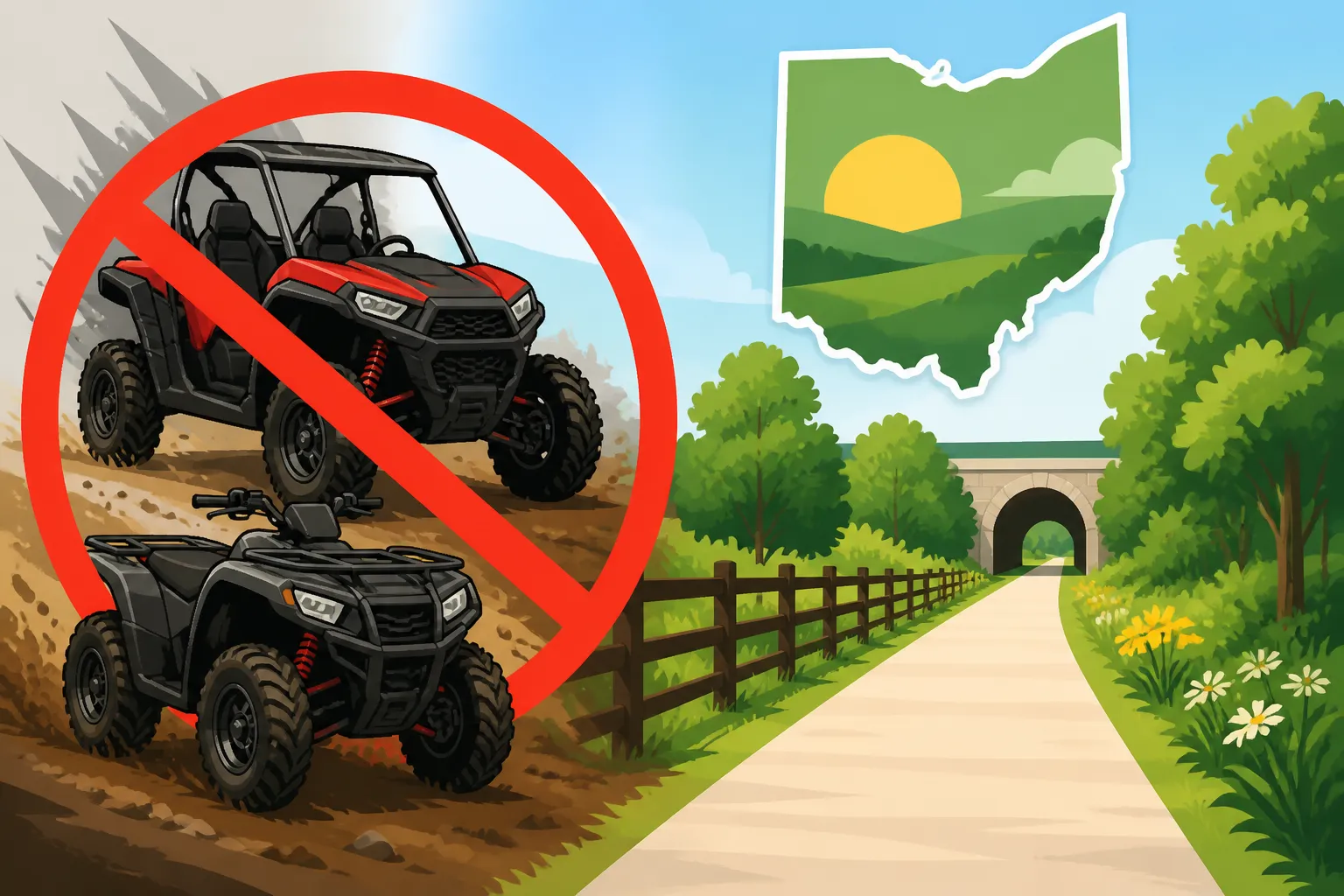
Why Rail Trails Do Not Allow ATVs or UTVs
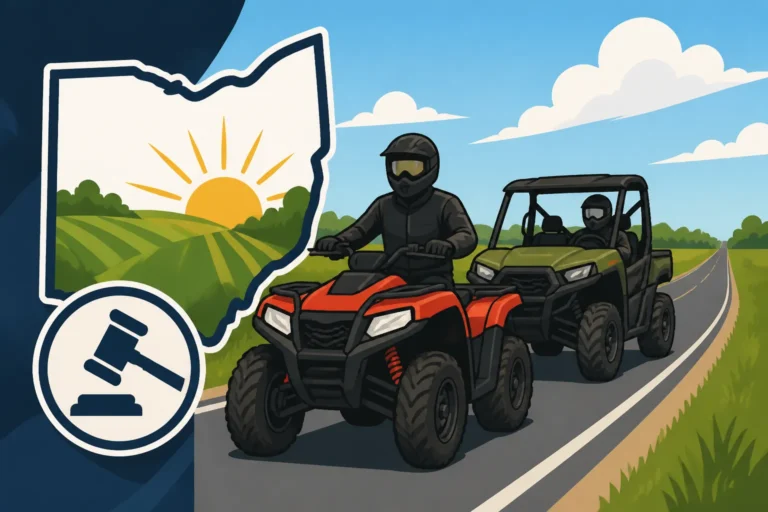
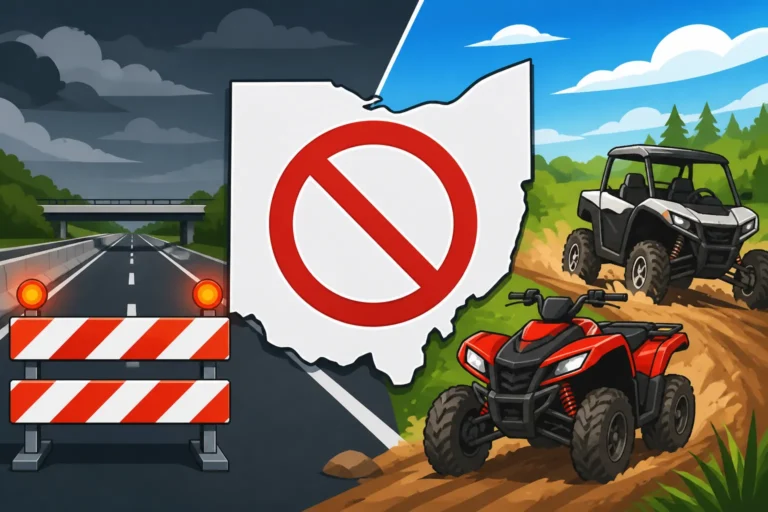
It's a common frustration for many ATV and UTV enthusiasts in Ohio: you see those beautiful, long, often paved or finely graveled rail trails winding through scenic landscapes, and your first thought is, "Wouldn't this be an amazing place to ride my machine?" But then, reality hits, and you find out that most, if not all, of these trails are off-limits to your all-purpose vehicle (APV). This guide will delve deep into the reasons behind these restrictions, helping you understand the history, purpose, and regulations that keep ATVs and UTVs off Ohio's beloved rail trails, and explore where you can take your ride.
Understanding the Vision: What Are Ohio's Rail Trails Really For?
When we look at a rail trail, it's easy to just see a path. But these aren't just any paths; they are transformations of old railway corridors into multi-use public spaces. Understanding their original intent and the careful planning that goes into their development is key to grasping why APVs don't fit into the picture.
The History and Purpose of Rail-to-Trail Conversions
Imagine the landscape of Ohio decades ago, crisscrossed by thousands of miles of railway lines. As the economy shifted and rail transport declined, many of these lines became abandoned, leaving long, linear stretches of land. Visionaries saw not just defunct infrastructure, but an opportunity. They envisioned converting these corridors into greenways that could serve communities, connect towns, and offer safe, accessible recreation for people of all ages and abilities. This movement gained significant traction, leading to the creation of hundreds of rail trails across the country, including many right here in Ohio.
The core purpose of these trails is inherently low-impact. They are designed primarily for non-motorized activities: walking, jogging, cycling, rollerblading, and sometimes horseback riding, depending on the specific trail's designation. The idea is to provide a quiet, reflective space, a place for families to stroll, cyclists to enjoy long-distance rides, and nature lovers to observe local flora and fauna without the noise and intrusion of motorized vehicles. The very essence of a rail trail is its peaceful, communal, and environmentally gentle nature.
Why "Multi-Use" Doesn't Always Mean "Motorized"
The term "multi-use trail" can be a bit misleading for APV owners, leading to the assumption that if it's "multi-use," it must include all types of recreational vehicles. However, in the context of rail trails, "multi-use" typically refers to different forms of non-motorized recreation. It means pedestrians share the path with bicycles, and sometimes equestrians, rather than designating separate paths for each. The "multi" aspect addresses different user groups that coexist peacefully, rather than expanding the definition to include inherently different types of vehicles.
The legal and planning definitions of "multi-use" are crucial here. These trails are often funded through grants that specify non-motorized use, or they fall under park and recreation designations that explicitly exclude motor vehicles. Introducing ATVs or UTVs, which are powerful, heavy, and typically louder machines, fundamentally alters the character of these trails. It would change them from tranquil greenways into something much closer to an off-road vehicle park, which goes against the established and protected purpose of [Ohio Rules for Riding a Rail Trail].
Safety, Surface, and Serenity: Why APVs Don't Fit the Rail Trail Mold
Beyond the foundational vision, there are very practical reasons rooted in safety, trail integrity, and the overall user experience that preclude APVs from rail trails. These factors are critical to maintaining the trails for their intended users and ensuring their longevity.
The Impact on Trail Surfaces and Infrastructure
One of the most immediate concerns with allowing ATVs and UTVs on rail trails is the damage they would cause to the trail surface. Many rail trails in Ohio are paved with asphalt, designed for the relatively light weight and narrow tires of bicycles and pedestrians. The heavy, knobby tires and higher torque of ATVs and UTVs would quickly degrade these surfaces, creating ruts, potholes, and cracking the pavement. Even gravel or crushed limestone trails, common in many areas, would suffer significant wear and tear, leading to washboarding, deep ruts, and displacement of the surfacing material.
Repairing this damage is incredibly expensive and labor-intensive, drawing resources away from maintenance for the intended non-motorized users. Furthermore, APVs are not designed for the consistent, flat, relatively straight grades of rail trails. They are built for varied terrain, obstacles, and the challenging conditions found in dedicated off-road parks. Their design and typical use patterns are simply incompatible with the delicate surfaces of most rail trails, which require a much gentler touch.
Noise Pollution and User Conflict
Imagine taking a leisurely stroll or enjoying a quiet bike ride on a scenic rail trail, only to have the peace shattered by the roar of an engine. This isn't just an inconvenience; it's a direct conflict with the tranquil atmosphere that rail trails are meant to provide. APVs, by their nature, produce significant noise, which can be disruptive to other users, local wildlife, and nearby residential areas. The serenity and natural soundscape are core components of the rail trail experience, and motorized vehicles directly undermine this.
Beyond noise, there's a significant potential for user conflict and safety issues. Pedestrians, cyclists, and horseback riders move at different speeds and have different awareness levels than someone operating a motorized vehicle. The sheer speed and acceleration capabilities of ATVs and UTVs, even when operated responsibly, create a perceived and actual danger for other, slower-moving trail users. Shared pathways work best when all users operate within similar speed and impact profiles. The vast difference in these profiles between non-motorized users and APVs makes coexistence on a narrow trail extremely challenging and unsafe, leading to the designation of [Ohio Rules for Riding a Rail Trail] that prohibit APVs.
Safety Concerns for All Trail Users
Safety is paramount in trail design and management. Rail trails are typically designed with specific sightlines, widths, and warning signage geared towards non-motorized speeds and interactions. Introducing faster, heavier, and more powerful motorized vehicles introduces a host of new safety hazards. The risk of collisions between ATVs/UTVs and pedestrians or cyclists increases dramatically. A UTV, for example, can weigh over 1,000 pounds and reach speeds that are far too high for a multi-use path designed for walking or cycling.
Children, pets, and individuals with sensory impairments are particularly vulnerable. The sudden appearance or sound of an APV could startle a horse, causing it to throw its rider, or frighten a child. The presence of motorized vehicles fundamentally alters the safety calculus, requiring different trail designs, wider paths, and entirely different enforcement strategies – all of which are not in place, nor desired, for the current rail trail model. This is why you'll find very clear signage prohibiting motor vehicles, including your APV, on these paths.
The Legal Lowdown: Ohio's Classification of Off-Highway Vehicles and Rail Trails
Ohio law is quite specific about what constitutes an APV and where it can be legally operated. These classifications, combined with the legal status of rail trails, form the basis for the prohibitions you encounter. It’s not an arbitrary decision; it's rooted in state statutes and local ordinances.
How Ohio Law Defines "All-Purpose Vehicle"
In Ohio, the term "All-Purpose Vehicle" (APV) is a broad category that includes machines commonly known as ATVs (All-Terrain Vehicles), UTVs (Utility Terrain Vehicles or side-by-sides), and dirt bikes when used off-road. The legal definition is quite specific, usually focusing on vehicle weight, width, engine size, and intended use – primarily off-road operation. For instance, [How Ohio Law Defines an APV] clarifies these parameters, distinguishing them from traditional motor vehicles designed for public roads.
Crucially, APVs are generally not classified as "street legal" vehicles by default in Ohio, unless they meet very specific criteria and undergo an inspection to be ridden on certain public roads where local ordinances permit. This distinction is critical because rail trails, while not always traditional "roads," are public corridors that typically operate under rules similar to parks or pedestrian thoroughfares, not off-road trails. An APV requires an [Ohio APV Registration Cost] and a title, just like a car, but that doesn't grant it universal access to all public lands.
The Legal Status of Rail Trails vs. Dedicated APV Trails
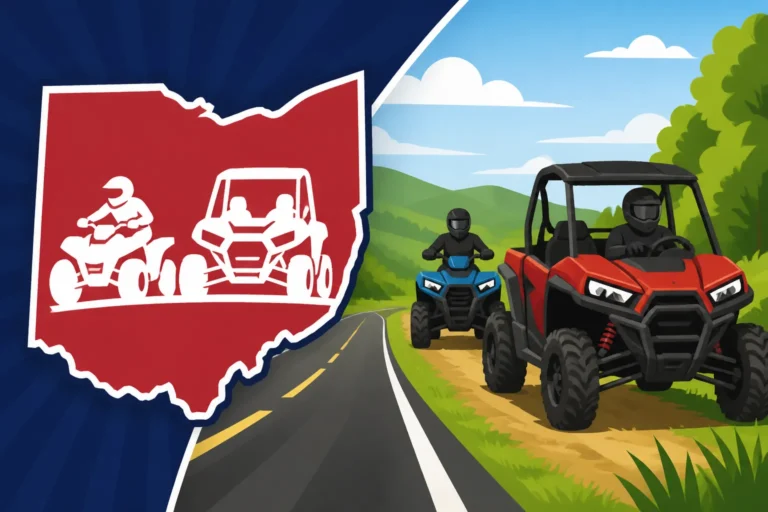
Rail trails in Ohio often fall under the jurisdiction of local park districts, county park systems, or the Ohio Department of Natural Resources (ODNR) as part of a recreational trail system. Their legal designation is typically for non-motorized recreational use. This means they are subject to different regulations than dedicated off-road vehicle parks or state forest APV trails like those found in [Ohio's Four State Forest APV Areas] or the [Wayne National Forest's Three Ohio Systems].
Think of it this way: a public sidewalk is for walking, even though it's public land. You wouldn't drive your car on it. Similarly, a rail trail is a public corridor designated for specific types of use. The rules are in place to protect the trail, its users, and the environment. Trying to argue that your APV is registered and therefore should be allowed on any public path is a misunderstanding of these specific land use designations. If you're looking for places to ride, you need to seek out areas explicitly designated for APV use.
Penalties for Riding an APV on Restricted Trails
Riding an ATV or UTV on a rail trail where it's prohibited isn't just a minor infraction; it can lead to significant penalties. Enforcement officers, whether park rangers, local law enforcement, or sheriff's deputies, are authorized to issue citations for trespassing or violating park rules. These fines can be substantial, often comparable to other moving violations or serious trespass charges. In some cases, repeat offenses could lead to impoundment of your machine or more severe legal repercussions. It's simply not worth the risk.
Furthermore, if you cause damage to the trail surface or infrastructure, you could be held liable for the cost of repairs, which can quickly add up to thousands of dollars. Beyond the legal consequences, riding where prohibited damages the reputation of responsible APV riders and can jeopardize future opportunities for expanding riding access in other areas. It’s always best to respect posted signage and seek out designated legal riding areas, like [Best Places to Ride an ATV in Ohio], to avoid unwelcome encounters with the law or other trail users.
| Feature | Rail Trail (Non-Motorized) | APV Trail (Motorized) |
|---|---|---|
| Primary Users | Pedestrians, cyclists, rollerbladers, sometimes equestrians | ATVs, UTVs, dirt bikes |
| Surface Type | Paved (asphalt), crushed limestone, fine gravel | Varied natural terrain, dirt, mud, rocks, hills |
| Noise Level | Quiet, low-impact, peaceful | Motorized vehicle sounds, often louder |
| Speed Range | Slow to moderate (walking, cycling speeds) | Wide range, often higher speeds for off-road conditions |
| Purpose | Recreation, transportation, nature appreciation, community connection | Off-road recreation, challenge, adventure |
| Typical Width | Narrow (8-12 feet common) | Varies, often wider in designated areas, or single track |
| Infrastructure | Benches, picnic tables, restrooms, interpretive signs | Staging areas, limited amenities, rugged trail markers |
| Legal Status | Designated non-motorized recreational corridor, often park land | Designated off-highway vehicle area, state forest, private park |
Disclaimer
This article is for general informational purposes only and does not constitute professional advice. Laws, prices and regulations vary by location and change over time. Consult a qualified professional for guidance on your specific situation.