Goggles on a Dusty Trail
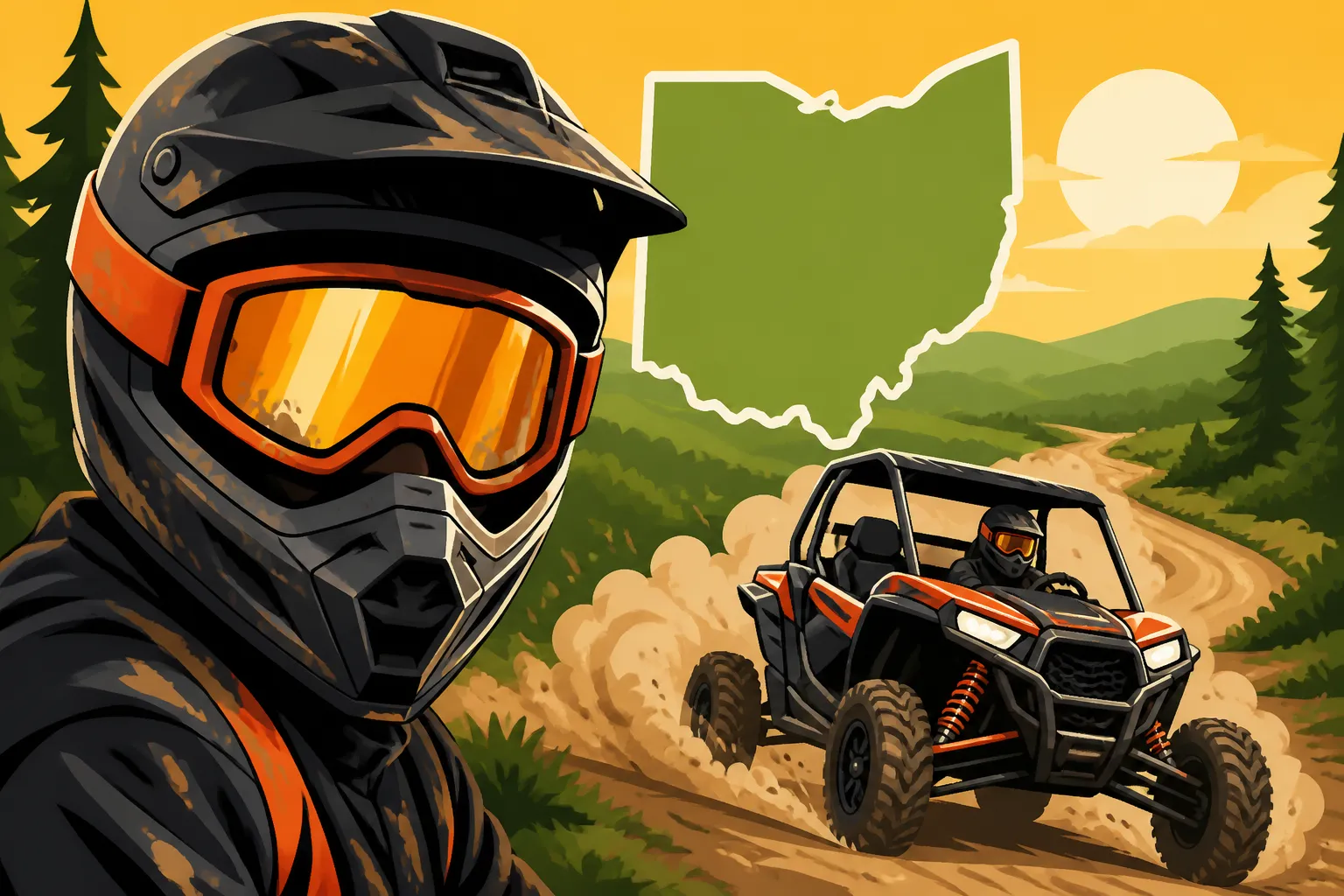
There’s nothing quite like the feeling of hitting a wide-open trail in Ohio, the sun shining, the engine purring beneath you. But that perfect day can turn frustratingly fast when you're squinting through a cloud of dust, trying to avoid a branch you can barely see. Eye protection isn't just a suggestion; it's absolutely crucial for your safety and enjoyment, whether you're kicking up dirt in a state forest or carefully navigating a permitted township road. This guide will walk you through Ohio’s eye protection requirements, help you choose the right gear, and offer practical tips to keep your vision crystal clear on every ride.
The Crucial Need for Eye Protection on Ohio Trails and Roads
When you're out riding your ATV or UTV, especially on those well-loved Ohio trails, your eyes are constantly exposed to a barrage of potential hazards. It's not just about comfort; it's about protecting your vision from serious injury. Many riders, especially those new to the sport, might underestimate the sheer volume of debris that can come flying at them, but veteran riders know the value of good eye protection.
Beyond Just Dust: The Hidden Dangers
While "goggles on a dusty trail" perfectly encapsulates one of the most common reasons for eye protection, dust is far from the only threat. Think about those hidden branches that whip back from the machine in front of you, or the stray rock flung from a tire. Rain, mud, insects, and even harsh sunlight can impair your vision in a split second, leading to a loss of control or an unexpected spill. Imagine navigating a twisty section of trail with a mud streak across your line of sight, or trying to spot a deer crossing while the sun glares directly into your unprotected eyes. These aren't just minor annoyances; they're genuine safety risks that can quickly ruin a ride and potentially cause lasting damage to your eyesight.
The Comfort and Performance Advantage
Beyond pure safety, wearing appropriate eye protection significantly enhances your riding experience. When your eyes are protected, you can relax, focus on the terrain, and react more effectively. Constant squinting against dust or wind fatigue your eyes, leading to headaches and reduced concentration. Good goggles or glasses also protect against windburn, keeping your eyes from watering uncontrollably, which can be a real issue, especially at higher speeds or on cooler days. This improved comfort directly translates to better performance, allowing you to ride longer, more confidently, and with greater precision. It’s the difference between constantly struggling to see and having a clear, unobstructed view of the path ahead, allowing you to truly immerse yourself in the ride.
Ohio Law and Eye Protection: What You Must Wear
Ohio takes rider safety seriously, and that includes eye protection. While you might not see a flashing sign demanding goggles on every trail, the state's regulations, particularly for state-managed lands and road-legal machines, are quite clear. Understanding these rules is essential not just for avoiding a citation, but for ensuring your own well-being and that of any passengers. You don't want to be halfway through a fantastic ride only to realize you're non-compliant with the law.
State Forest Regulations on Eye Protection
If you're planning to ride on Ohio's state forest trails, like those found in Perry State Forest or Monday Creek, there are specific rules you need to follow. The Ohio Department of Natural Resources (ODNR) mandates that all riders and passengers must wear a helmet and eye protection when operating an ATV or UTV on designated state forest trails. This isn't optional; it's a requirement for accessing these fantastic riding areas. The term "eye protection" generally means goggles, a face shield on a helmet, or safety glasses that provide adequate coverage. [Ohio Helmet Law on State Forest Trails] goes hand-in-hand with this requirement, as many helmets have integrated visors or are designed to be worn with goggles. If you show up at a trailhead without proper eye protection, you could be turned away or even cited by a ranger. It's simply not worth the risk, especially when you consider the varied terrain and potential hazards present on a typical Ohio trail.
Road Riding: When Eye Protection Becomes Even More Critical
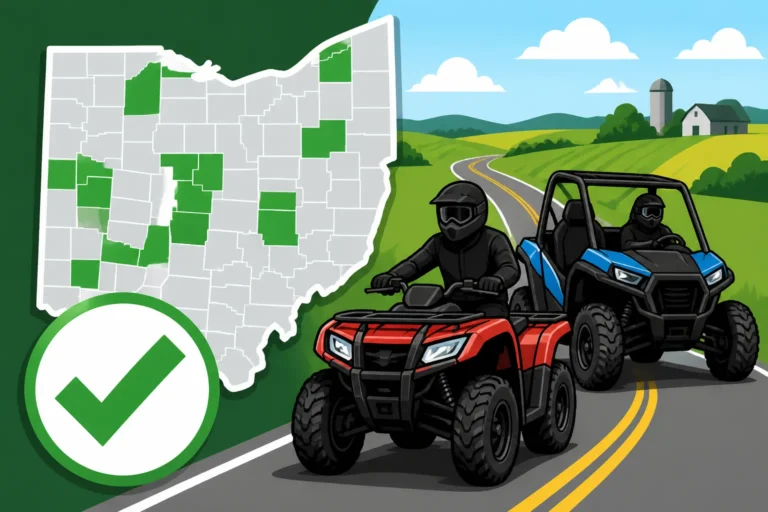
While Ohio does not have a statewide "street legal" option for ATVs, some counties and townships have passed resolutions to open certain local roads to APVs. If you're fortunate enough to live or ride in one of these areas, such as Washington County, where many roads are open to registered APVs, the rules for riding on pavement become even more stringent. For any APV, including UTVs, operating on public roads, the rider and any passengers must wear eye protection. This typically means either a helmet with a face shield or a combination of a helmet and goggles. Even if your UTV has a windshield, additional eye protection is still advised, and in some cases, legally required, especially if the windshield is not safety glass or doesn't provide full protection from all angles. An Ohio deputy checking your setup roadside would certainly be looking for this. [Ohio Eye Protection Requirement] applies directly here, ensuring you meet the legal standard for visibility and safety.
Why a Windshield Isn't Always Enough
It’s tempting to think that if your UTV has a windshield, you’re all set for eye protection. After all, it blocks the wind and most debris, right? Not necessarily. While a windshield offers a good deal of protection, it's not a foolproof solution, especially in Ohio's varied riding conditions. Many UTV windshields are made from polycarbonate or acrylic, which can scratch easily and distort vision over time. Furthermore, they don't always protect from side splashes of mud, dust swirling up from behind the vehicle, or even debris ricocheting off the roll cage. For machines that are fully enclosed or have specific road-legal modifications, like those found on some SuperATV-equipped UTVs with full cabs, the windshield might meet specific safety glass standards. However, even with a full windshield, a rock chip or a sudden dust devil can still obscure your vision if you don't have secondary eye protection. When riding on a dusty trail, dust can still find its way around the edges or through small openings. For road use, especially where higher speeds might be involved, impact resistance and optical clarity are paramount, and a good pair of goggles or a full-face helmet visor offers a more secure and comprehensive level of protection. [Ohio UTV Road Equipment List] outlines many requirements, and while it might specify a windshield, it doesn't always negate the need for personal eye protection.
Choosing the Right Eye Protection for Ohio Riding
The market for eye protection is vast, and picking the right gear can feel a bit overwhelming. From different lens tints to ventilation systems, there's a lot to consider. But don't worry, finding the perfect pair for your Ohio adventures is totally achievable once you know what to look for. Comfort, visibility, and durability are your best friends here.
Goggles vs. Glasses: Pros and Cons
When it comes to eye protection for ATV and UTV riding, the primary choice usually comes down to goggles or glasses. Both have their place, but they excel in different situations.
Goggles are generally the go-to for serious off-road riding. Their main advantage is superior coverage and a secure fit. They create a seal around your eyes, effectively keeping out dust, mud, and wind from all angles. Many goggles are designed to integrate seamlessly with off-road helmets, like those meeting [DOT FMVSS218 Helmets in Ohio] standards, ensuring there are no gaps. They often come with interchangeable lenses for different light conditions – clear for night riding or low light, tinted for bright sunny days, and even amber for contrast in flat light. On the downside, goggles can be prone to fogging, especially on humid days or during strenuous riding. However, many quality brands like SuperATV offer anti-fog coatings and advanced ventilation systems to combat this. If you ride in [Ohio Trails After Heavy Rain], goggles will be your best defense against mud splatters.
Safety Glasses, on the other hand, are lighter and often more comfortable for casual rides or when wearing an open-face helmet. They offer more ventilation, reducing fogging issues. Many riders appreciate their versatility, as they can be worn easily off the machine. However, their major drawback is less comprehensive protection. They don't seal around your eyes, leaving gaps where dust, wind, or debris can still enter. For example, [Riding a Snow-Covered Township Road] might be fine with safety glasses if speeds are low, but a fast, dusty trail would quickly overwhelm them. If you're tackling challenging terrain or riding with a group where debris is more likely, safety glasses simply won't offer the same level of security as goggles.
Features to Look For in Quality Eye Protection
Once you've decided between goggles and glasses, you'll want to dig into the specifics to ensure you're getting a quality product that will last and perform well.
- Lens Material and Coatings: Look for impact-resistant polycarbonate lenses. This material is crucial for deflecting stones and branches. Anti-fog coatings are a must-have, especially for goggles, to maintain clear vision in changing conditions. Some lenses also come with anti-scratch coatings, which are a real blessing when you're navigating tight, brushy trails or constantly cleaning off mud. UV protection is also a standard feature you'll want to ensure is present.
- Ventilation: Good airflow is key to preventing fogging. Goggles with multiple vents and foam filters can significantly reduce this issue, keeping your vision clear even when you're working hard. Well-designed ventilation systems also help prevent your eyes from watering excessively from wind.
- Fit and Comfort: Eye protection should fit snugly without being too tight or leaving pressure points. For goggles, look for a wide, adjustable strap that can be worn comfortably over your helmet. The foam padding should be soft and absorb sweat. If you wear prescription glasses, look for "OTG" (Over The Glasses) goggles that are designed to fit over your eyewear.
- Interchangeable Lenses: Being able to swap lenses for different light conditions is a huge advantage. A clear lens for [Ohio Rules for Riding After Dark] and a tinted lens for bright midday sun can dramatically improve visibility and reduce eye strain.
Considering Different Riding Conditions
Your choice of eye protection should also be influenced by the specific types of riding you do most often in Ohio.
If you predominantly hit the dusty, open trails of Wayne National Forest or other popular off-road areas, then a robust pair of goggles with good anti-fog and scratch-resistant properties will be your best friend. Look for models with thick foam padding to seal out dust effectively. Brands like SuperATV often have accessories and gear that cater specifically to these demanding conditions.
For riders who occasionally venture onto permitted township or county roads, perhaps to get to a trailhead or a local store, a helmet with a clear, impact-resistant face shield might be sufficient, especially if your UTV has a good windshield. However, always have a backup pair of safety glasses or clear goggles handy, as conditions can change. [Ohio Rules for Riding a Township Road] may not explicitly detail eye protection beyond state minimums, but common sense and personal safety dictate clear vision.
And if you're a fair-weather rider who sticks to light, less dusty trails, high-quality safety glasses might suffice, but always prioritize full coverage if there's any doubt about potential hazards. No matter the condition, having reliable eye protection is a non-negotiable part of your riding gear.
Keeping Your Vision Clear: Practical Tips and Maintenance
Even the best eye protection won't do its job if it's constantly fogged up, scratched, or covered in mud. Just like maintaining your ATV or UTV, taking care of your goggles or glasses is an essential part of preparing for a ride and ensuring their longevity and effectiveness. A little effort goes a long way in keeping your vision clear and your rides safe.
Dealing with Fogging and Scratches
Fogging is arguably the most common and frustrating issue riders face with eye protection, especially with goggles. It typically happens when there's a significant temperature difference between the air inside your goggles and the outside environment, compounded by sweat and humidity.
- Anti-Fog Treatments: Many quality goggles come with anti-fog coatings, but these can wear off over time. You can purchase anti-fog sprays or wipes to reapply before each ride. Make sure the product is safe for your lens material.
- Ventilation: Ensure your goggles have good ventilation. If they constantly fog, check if the foam vents are blocked by dirt or debris. Sometimes, simply wearing a helmet that allows for better airflow around the goggle frame can help.
- Fit: A proper fit is key. Goggles that are too tight can restrict airflow around your face, trapping warm, moist air inside.
- Breath Deflectors: Some riders use breath deflectors that fit inside their helmet to direct exhaled breath away from the goggle lens.
- Scratch Prevention: Scratches are inevitable over time, but you can minimize them. Always store your goggles in a soft bag or case, never just tossing them in a gear bag where they can rub against other items. When cleaning, use a microfiber cloth specifically designed for lenses. Avoid wiping dust off dry, as this can grind particles into the lens and cause micro-scratches. Instead, rinse with water first.
Cleaning and Care for Longevity
Proper cleaning and care will significantly extend the life of your eye protection and ensure it performs optimally every time you hit the trails.
- Rinse First: After a muddy or dusty ride, the first step is to rinse your goggles or glasses under lukewarm water. This dislodges larger particles without scratching the lens.
- Gentle Cleaning: Use a mild soap (like dish soap) and your fingers to gently wash the lenses and frame. Avoid harsh chemicals or abrasive cloths.
- Air Dry or Microfiber: Either let them air dry completely, or gently pat them dry with a clean, soft microfiber cloth. Never use paper towels or rough fabrics, as these can scratch the lens and damage anti-fog coatings.
- Foam Care: Pay attention to the foam around the frame, especially on goggles. This foam can collect sweat, dirt, and allergens. Rinse it thoroughly and allow it to dry completely to prevent mildew and unpleasant odors.
- Strap Maintenance: Goggle straps can stretch or get caked with mud. Wash them separately if removable, or gently clean them with a damp cloth. Ensure the strap adjusters are clean and functional.
By taking these simple steps, your eye protection will remain clear, comfortable, and ready for all the challenges Ohio's diverse terrain can throw your way, whether you're kicking up dust on a back trail or cautiously cruising a permitted road. It's an investment in your safety and enjoyment, and with proper care, it will serve you well for many seasons to come.
| Eye Protection Type | Best For | Pros | Cons |
|---|---|---|---|
| Goggles | Dusty trails, mud, high-speed off-road, integrating with helmets | Superior coverage, secure fit, interchangeable lenses, impact resistance | Can fog, less ventilation, may feel bulky |
| Safety Glasses | Casual rides, low dust, UTVs with windshields, general outdoor use | Lightweight, good ventilation, comfortable, versatile | Limited coverage, dust/wind can get in, less impact resistance from sides |
Disclaimer
This article is for general informational purposes only and does not constitute professional advice. Laws, prices and regulations vary by location and change over time. Consult a qualified professional for guidance on your specific situation.