Ohio Trespass Rules for Riders
There's nothing quite like the thrill of hitting the trails on your ATV or UTV, feeling the engine hum beneath you, and experiencing the freedom of the open path. But for many riders in Ohio, that excitement often comes with a nagging worry: "Am I allowed to be here?" The fear of accidentally straying onto someone's private land, facing a confrontation, or even getting a citation is a very real frustration, and it can dampen the fun of an otherwise perfect ride. This guide is all about cutting through that confusion, giving you the straight facts on Ohio's trespass rules for riders, and equipping you with the knowledge to ride confidently and legally.
Understanding "Trespass" in Ohio for Off-Road Vehicles
The word "trespass" itself can sound intimidating, conjuring images of "no trespassing" signs and angry landowners. But for us riders, it's crucial to understand what it actually means when you're out there on your machine. Ohio law is pretty clear: if you don't have permission to be on someone's property, you're trespassing, plain and simple. This isn't just a polite suggestion; it's a legal line in the sand that every rider needs to respect.
What Constitutes Trespassing with an APV?
In Ohio, the legal definition of trespassing isn't just about breaking a physical barrier; it's about the absence of permission. If you're riding your all-purpose vehicle (APV) – which includes ATVs, UTVs, and dirt bikes – on land that isn't publicly designated for off-road use, or isn't your own property, you absolutely need permission from the landowner. This might seem obvious, but it's easy to get turned around, or to assume that an unmaintained patch of woods is "fair game." It’s not.
Imagine you're following a well-worn path that suddenly veers off what you thought was public land and onto a farmer's field or through a private woodlot. Even if there are no signs, if that land is privately owned and you haven't received explicit permission, you are technically trespassing. This applies whether you're just cutting across a corner, exploring what looks like abandoned ground, or even just turning around. The law doesn't differentiate between "oops, I got lost" and "I meant to be here" when it comes to the act of being on private property without consent. This is why being absolutely certain of your location and property lines before and during your ride is so incredibly important for every rider.
The Role of Signs and Fences (or Lack Thereof)
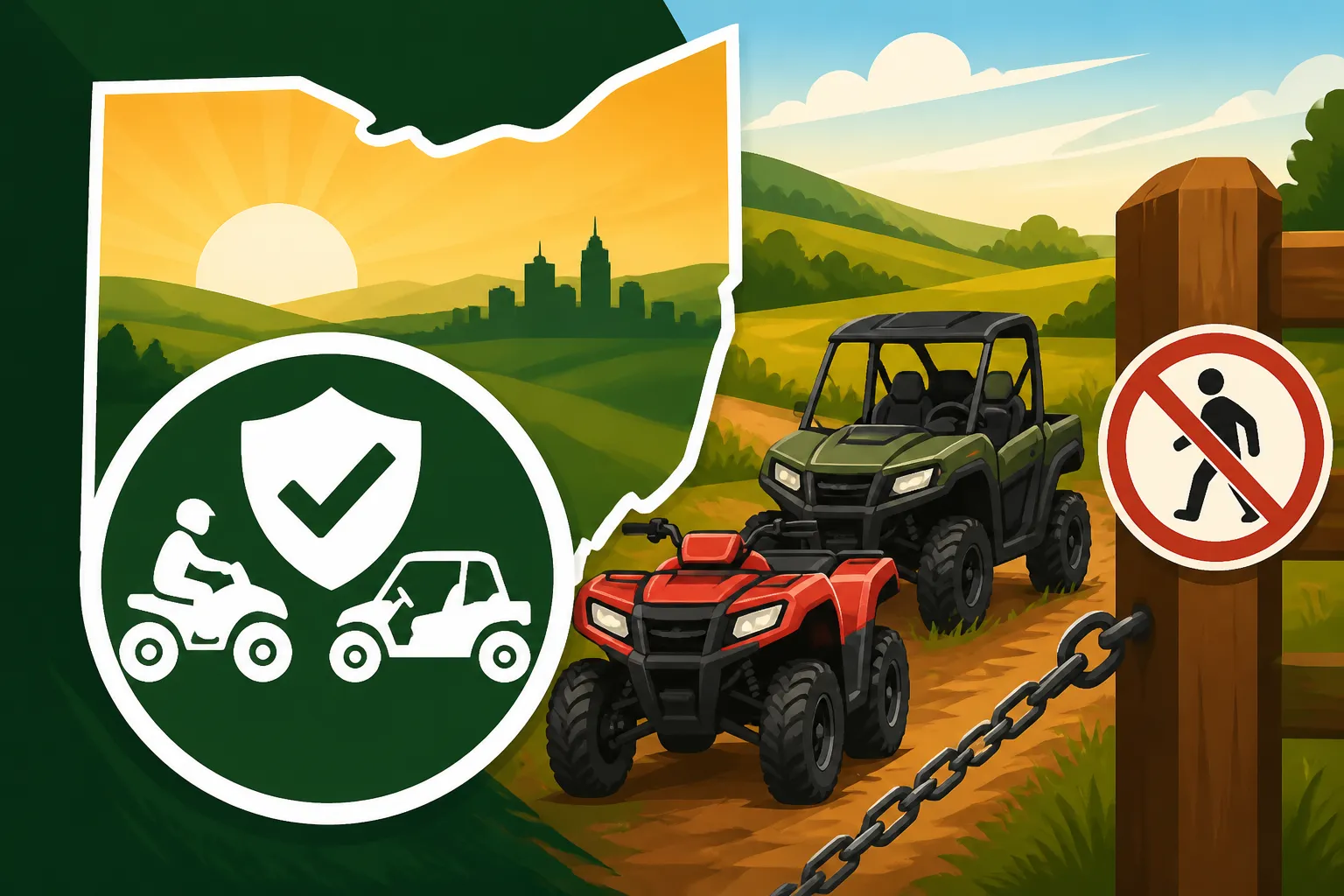
So, what about those "No Trespassing" signs we often see? They definitely serve as a clear, unmistakable warning that you are not welcome on that property. If you see one of those, consider it a giant red flag that says "turn back now." Ignoring such a sign is a pretty clear indication of willful trespass, and it can significantly worsen the penalties if you're caught. However, and this is a really important point, the absence of a "No Trespassing" sign absolutely does not mean you have permission to ride.
Many landowners choose not to post signs for various reasons, but their property rights remain intact. A fence, a gate, or even just a change in terrain that clearly delineates one property from another can serve as an indicator of private land. Think about it: a well-maintained yard or a field full of crops is obviously someone's private space, even without a sign. Rivers, streams, and old logging roads can sometimes act as property boundaries too, and it's your responsibility as the rider to know where you are in relation to these. Ohio's concept of [Posted Land in Ohio] means that even if a sign isn't at every turn, a landowner can still pursue legal action. Always err on the side of caution; if you don't know for sure, assume it's private and do not enter. This simple rule can save you a lot of headache and keep you on the right side of the law.
How to Legally Access Private Land for Riding in Ohio
The good news is that riding on private land isn't impossible in Ohio; it just requires a bit more effort and respect for property owners. The key, as you've probably gathered, is permission. Getting that explicit "yes" from a landowner is your golden ticket to enjoying private trails legally and without worry.
Obtaining Explicit Permission from Landowners
Let's be real: approaching a landowner you don't know to ask if you can ride on their property can feel a little awkward. But it's an absolutely essential step for ethical and legal riding. The best practice is to get permission in writing. This doesn't have to be a formal legal document; a simple signed note, an email exchange, or even a text message can serve as proof. Make sure it clearly states who has permission, what machines they can ride, and the dates or duration of the permission.
Before you even ask, try to identify the landowner accurately. Tax records are often public and can help you confirm who owns a particular parcel. When you do approach them, be polite, respectful, and clearly state your intentions. Explain what you want to do, and be prepared to discuss concerns they might have, such as noise, property damage, or liability. Sometimes, showing a landowner you're a responsible rider, perhaps by mentioning you use protective gear or have recovery equipment from brands like SuperATV for emergencies, can help build trust. Being proactive and transparent can open doors (or gates!) that might otherwise remain closed. Remember, building a good relationship can mean continued access for years to come. This aligns with Ohio's [Ohio Landowner Permission Rules] that prioritize clear consent.
The Role of ATV Clubs and Leased Trails
If the thought of knocking on strangers' doors fills you with dread, or if you simply prefer a more structured riding experience, joining an ATV club might be your best bet for private land access. Many local clubs in Ohio work tirelessly to forge relationships with landowners, securing leases or agreements that grant members legal access to private trail systems. This is a fantastic way to ride responsibly and expand your riding horizons.
These clubs often take on the responsibility of trail maintenance, ensuring the trails are safe and well-kept. They might even invest in equipment, like durable skid plates or winches from SuperATV, to clear fallen trees or recover stuck machines, demonstrating a commitment to responsible land use. By joining a club, you're not just gaining access to trails; you're becoming part of a community that respects the land and its owners. This collective approach means less individual stress about finding legal places to ride and often leads to well-maintained, challenging, and fun trail networks. Many clubs also organize events, group rides, and even provide valuable insight into [How ATV Clubs Lease Private Ground for Trails] in their area, making it a win-win for everyone involved.
Consequences of Trespassing with an APV in Ohio
Nobody wants to deal with the aftermath of a legal infraction, especially when you just wanted to enjoy a ride. But it’s vital to understand that trespassing with an APV in Ohio isn't just a minor inconvenience; it carries real legal and social consequences. Knowing what you stand to lose can be a strong motivator to always secure permission before you ride.
Legal Penalties and Fines
If you're caught riding on private land without permission, the legal repercussions can range from a warning to significant fines and even more severe penalties. Initially, you might face a citation, similar to a traffic ticket, with an associated fine. However, the severity can escalate quickly. If you've damaged property, ignored clear "No Trespassing" signs, or are a repeat offender, the charges can become more serious, potentially moving from a minor misdemeanor to a more significant offense. In some cases, your APV could even be impounded, leaving you with the added costs of retrieval, storage fees, and potentially even court costs.
It's not just about the monetary hit either. Having a trespassing citation on your record can be a hassle, potentially affecting future opportunities or even just your peace of mind. While the exact figures can vary, it's safe to say that the cost of a fine, coupled with the potential for impoundment and legal fees, will far outweigh the minimal effort it takes to simply ask for permission. This is especially true when considering broader legal contexts, like [Ohio Fines for Illegal APV Road Use], which demonstrate the state's willingness to enforce recreational vehicle laws. The bottom line is that the risk simply isn't worth it.
Damage to Property and Relationships
Beyond the legal fines, trespassing can inflict real, tangible damage to private property. Riding an APV, especially in wet conditions, can cause significant erosion, create deep ruts that ruin fields, damage fences, disturb livestock, or even destroy crops. This kind of damage can be incredibly costly for landowners to repair, and it breeds resentment. Imagine you're a farmer and someone rides through your cornfield, or through your newly planted saplings. It's not just an annoyance; it's a direct financial hit.
Perhaps even more damaging, though harder to quantify, is the erosion of trust between the riding community and private landowners. A single incident of trespassing can sour a landowner's perception of all APV riders, leading them to be less likely to grant permission to anyone in the future. This creates a ripple effect, reducing opportunities for all responsible riders. Our community relies on positive relationships and mutual respect to expand and maintain legal riding areas. When a few individuals disregard private property rights, everyone suffers. Being a good neighbor, respecting boundaries, and adhering to [Ohio Trespass Law and Off-Road Riders] is crucial for the long-term health of our sport.
Staying on the Right Side of the Law: Prevention and Best Practices
Avoiding trespassing isn't just about knowing the rules; it's about adopting a mindset of proactive responsibility. Every time you throw a leg over your ATV or settle into the seat of your UTV, you should be prepared to ride legally and ethically. It's about planning, being informed, and making smart choices before you even hit the throttle.
Researching and Planning Your Rides
The absolute best way to prevent accidental trespassing is through thorough planning. Never head out on a ride without a clear understanding of where you're going and whose land you'll be on. Start by checking official resources for public riding areas. Ohio has fantastic options, like [Ohio's Four State Forest APV Areas] and [Wayne National Forest's Three Ohio Systems], all of which have clearly defined boundaries and regulations. Use maps, whether physical or digital, and GPS devices to mark your intended route and monitor your position in real-time. Apps on your phone can often show property lines, which can be invaluable.
Before a trip, cross-reference your planned route with land ownership maps, often available online through county auditor sites. Don't rely solely on what "looks" like a trail; appearances can be deceiving. If you're venturing into an unfamiliar area, contact local authorities, ranger districts, or even established riding clubs. They can often provide insights into local regulations, open trails, and areas to avoid. Consider equipping your machine with reliable navigation tools, and maybe even a good lighting system from SuperATV if you plan to ride near dusk, ensuring you can see your path clearly and avoid unintended detours onto private land. This dedication to planning is a hallmark of a responsible rider.
Public vs. Private Land: Knowing the Difference
It's a common misconception that if land isn't actively farmed or fenced, it must be public and therefore fair game for riding. This simply isn't true in Ohio. "Wild" or "undeveloped" land is often still privately owned. The key distinction lies in whether the land is explicitly designated for public recreational use, like state forests or national forests, or if it is private property belonging to an individual or corporation.
Public lands, like those managed by the Ohio Department of Natural Resources (ODNR) or the U.S. Forest Service (USFS), will have clear signage, maps, and regulations regarding APV use. For example, [Ohio Trail Maps From ODNR] are readily available, showing designated trails. On the other hand, private land, no matter how remote or unkempt, still requires explicit permission from the owner to ride. A good rule of thumb is: if you can't verify it's public land and specifically open to APVs, or if you don't have direct permission, assume it's private and stay off. This isn't just about avoiding a ticket; it's about respecting property rights and being a responsible ambassador for the entire APV community.
Here's a simple comparison of how you might approach riding on different types of land:
| Type of Land | How to Approach Legal Riding | Key Considerations |
|---|---|---|
| Private Land | Always obtain explicit, ideally written, permission. | Identify landowner, explain intentions, discuss liability, adhere strictly to agreed-upon routes and times. Be respectful and proactive. Joining an ATV club that leases private land is another excellent option. |
| Ohio State Forests | Consult [Ohio Trail Maps From ODNR] and follow designated trails. | Check operating seasons, hours, machine width limits (like Ohio's 62-inch limit), and any specific rules for the forest (e.g., helmet requirements). Always stay on marked trails. |
| Wayne National Forest | Purchase a Wayne National Forest OHV Permit and stick to marked trails. | Understand permit requirements (Wayne National Forest OHV Permit Cost), check operating seasons for specific trail systems (e.g., Monday Creek, Hanging Rock, Pine Creek), and be aware of any width restrictions or other specific rules for this federal land. |
| Unknown/Unmarked Land | DO NOT ENTER without verifying ownership and obtaining permission. | This is where most trespassing occurs. Assume it's private. If unsure, turn around. Use GPS/maps to determine boundaries. The risk of fines and damage to reputation far outweighs the thrill of exploring unknown territory. |
By understanding these nuances and consistently practicing responsible riding habits, we can all contribute to a more positive future for Ohio's ATV and UTV community.
Disclaimer
This article is for general informational purposes only and does not constitute professional advice. Laws, prices and regulations vary by location and change over time. Consult a qualified professional for guidance on your specific situation.