Ohio Helmet Law on State Forest Trails
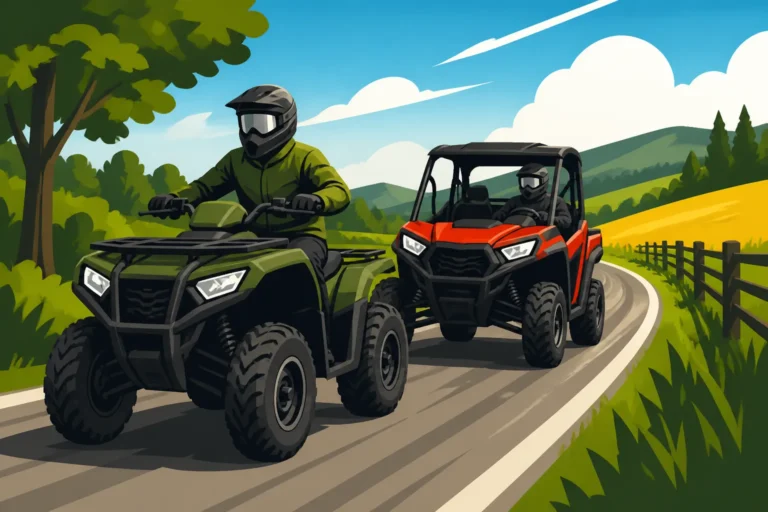
Getting out on Ohio's state forest trails on your ATV or UTV is an incredible experience, offering everything from winding paths through dense woods to challenging climbs over rocky terrain. But before you even think about firing up your engine, there's a crucial piece of gear that absolutely cannot be overlooked: your helmet. It's not just a suggestion; it's a legal requirement designed to keep you safe when you're far from pavement and help. This guide will walk you through Ohio's specific helmet laws for state forest trails, the kind of eye protection you'll need, and the rules around age and supervision, ensuring your next ride is both thrilling and compliant.
The Ohio Helmet Mandate for State Forest Trails
Riding on Ohio's beautiful state forest trails offers an exhilarating escape, but it comes with a steadfast commitment to safety, starting with what you put on your head. The state of Ohio is clear: if you're riding an all-purpose vehicle (APV), which includes ATVs and UTVs, on designated state forest trails, a helmet is not optional. This isn't just a recommendation from a well-meaning trail steward; it's a legal mandate that helps protect riders from the very real dangers of off-road riding.
What Ohio Law Specifically Requires
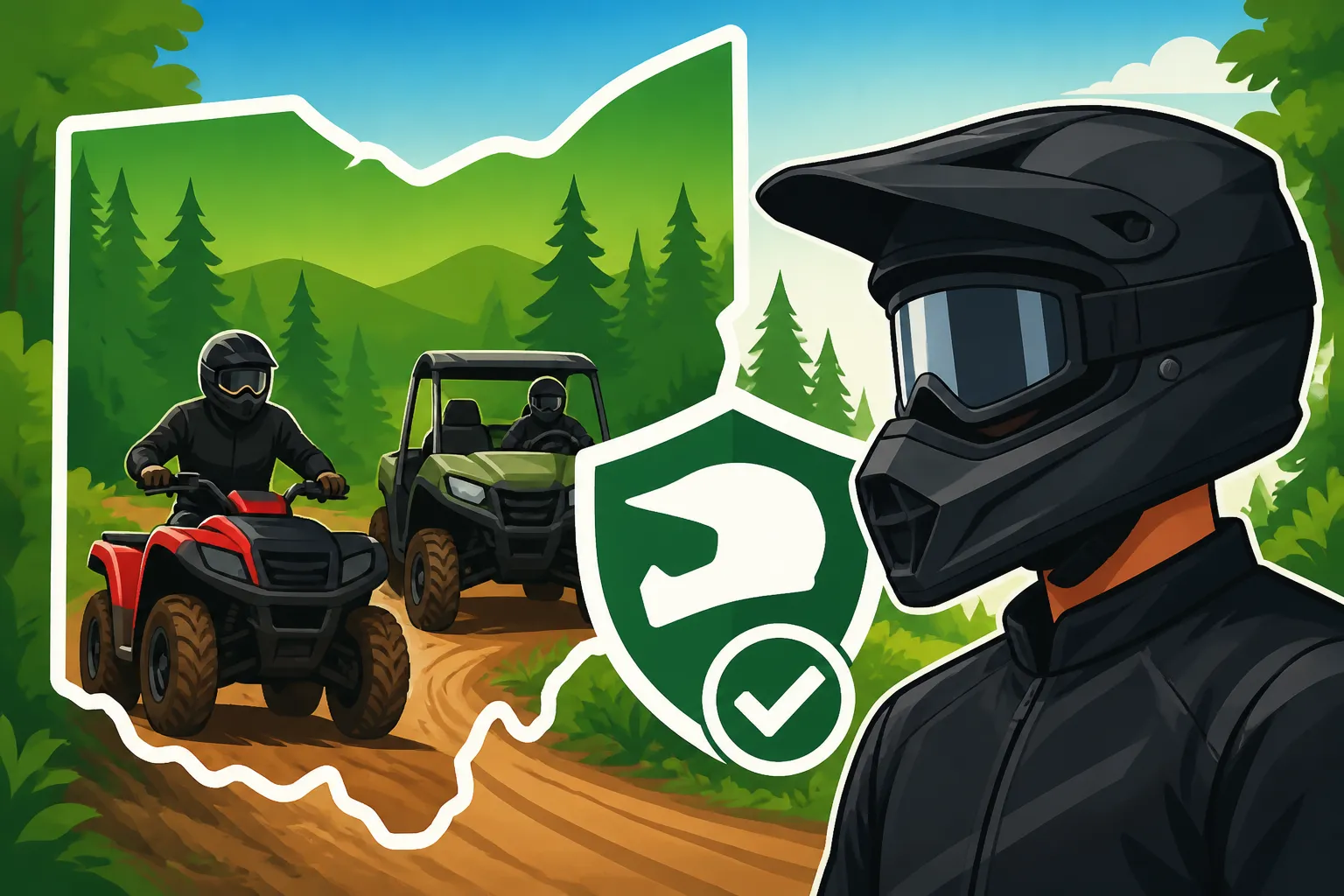
Ohio law is quite specific about helmets when you're traversing state forest lands. Every single rider and passenger, regardless of age, must wear a protective helmet. This isn't a "some of the time" rule; it's an "all of the time" requirement from the moment you leave the staging area until you're back safely. The law exists because even at low speeds, or on seemingly easy terrain, an unexpected bump, a hidden root, or a sudden loss of traction can send a rider to the ground. A helmet is your first line of defense against severe head trauma, which is unfortunately a common injury in off-road accidents. Think of your helmet as your personal airbag for your head; you hope you never need it, but you'll be incredibly grateful it's there if you do. For a full rundown on the specifics, check out [Ohio Helmet Rules on State Forest Trails].
The type of helmet is also critical. It's not just any old helmet that'll do. Ohio law, like most states, requires a helmet that meets federal safety standards. This means looking for a "DOT" certification. "DOT" stands for the Department of Transportation, and it signifies that the helmet has been tested and meets specific safety criteria for impact absorption, penetration resistance, and retention system strength. Wearing a helmet without this certification is essentially riding unprotected in the eyes of the law, and more importantly, in terms of actual safety. So, before you hit the trails, double-check that little DOT sticker on the back of your helmet. It's a small detail that makes a huge difference.
Understanding DOT Compliance for Your Helmet
When we talk about DOT compliance, we're talking about a helmet that adheres to the Federal Motor Vehicle Safety Standard (FMVSS) 218. This standard dictates strict testing procedures to ensure a helmet can withstand various types of impacts and offer adequate protection. A DOT-compliant helmet will have a sturdy outer shell, an impact-absorbing liner (often made of expanded polystyrene or EPS foam), a comfort padding layer, and a secure retention system (like a chin strap). It’s designed to distribute impact forces over a wider area, reducing the risk of a concentrated blow to the head. You can find more detail on this by reading [DOT FMVSS218 Helmets in Ohio].
The market is flooded with various helmets, but not all are created equal for off-road use, and certainly not all meet DOT standards. Be wary of "novelty" helmets or those marketed solely for fashion. These often lack the internal structure and protective materials necessary to truly safeguard your head in a crash. They might look cool, but they won't offer the life-saving protection of a DOT-certified helmet. When purchasing a helmet, always buy from a reputable dealer and specifically look for the DOT certification label. If you're wondering [Why a Novelty Helmet Does Not Meet DOT Rules], it's because they simply haven't undergone the rigorous testing required to prove their protective capabilities. Your head is worth investing in the real deal.
Why Helmets Are Non-Negotiable on State Lands
The reason behind the strict helmet law on state forest trails is simple: safety. Off-road riding, while immensely fun, inherently carries risks. You're dealing with unpredictable terrain – mud, rocks, roots, steep inclines, and sudden drops. Trees are unforgiving, and other riders can sometimes make mistakes. Even the most experienced rider can have an accident, and the statistics show that head injuries are among the most severe and debilitating in APV incidents. A helmet significantly reduces the risk of serious brain injury or even death.
Beyond personal safety, these laws also protect the integrity of the trail systems themselves. When accidents happen due to preventable reasons like not wearing a helmet, it can lead to increased scrutiny, calls for tighter restrictions, or even closures of beloved riding areas. By adhering to the helmet law, you're not just protecting yourself; you're helping to ensure that these incredible natural resources remain open and accessible for all riders for years to come. Think of it as a shared responsibility. The forest officers who patrol these trails, like those you might encounter as described in [What a Forest Officer Checks on Your Helmet], aren't just looking to write tickets; they're looking to keep everyone safe and preserve the riding environment.
Essential Eye Protection and Other Gear
While the helmet is paramount, it's just one part of a comprehensive safety ensemble for hitting the Ohio trails. Your eyes are incredibly vulnerable to the unique hazards of off-road riding, and your body also needs protection from scrapes, bumps, and debris. Thinking holistically about your gear can make the difference between a minor inconvenience and a trip-ending injury.
Goggles: Your Unsung Hero Against Debris
Right up there with your helmet in terms of importance is proper eye protection. When you're tearing down a dusty trail, or navigating through mud and branches, your eyes are under constant assault. Dust, dirt, flying rocks kicked up by other riders, low-hanging branches, and even insects can cause significant damage or momentarily blind you, leading to a dangerous loss of control. This is why goggles, or a full-face shield integrated into your helmet, are absolutely essential. In fact, many jurisdictions, including those governing Ohio's state forest trails, explicitly require eye protection. You can find specifics on this in [Eye Protection on an Ohio Trail].
Goggles are generally preferred over sunglasses for off-road riding because they offer a more complete seal around your eyes, preventing airborne particles from sneaking in. Look for goggles designed for off-road use, which typically feature durable, impact-resistant lenses, good ventilation to prevent fogging, and a comfortable strap that fits securely over your helmet. A good pair of goggles can be the difference between seeing that unexpected rut and taking a spill. When considering your gear, remember that [Goggles Required Alongside a Helmet] isn't just a suggestion; it's a critical safety measure. Brands like SuperATV often offer accessories, including robust windshields for UTVs, that complement helmet and goggle use by reducing overall debris, but don't negate the need for personal eye protection.
Beyond Helmets: Recommended Safety Accessories
While helmets and eye protection are non-negotiable, a full complement of riding gear offers vastly improved protection and comfort. Here’s a quick rundown of other items you should seriously consider every time you ride:
- Long-sleeved shirt and long pants: These protect your skin from scrapes, branches, sun exposure, and exhaust heat. Purpose-built riding jerseys and pants often offer added padding and durability.
- Gloves: A good pair of full-finger gloves improves grip on the handlebars, reduces blistering, and protects your hands from impacts and abrasions.
- Over-the-ankle boots: Sturdy boots provide crucial ankle support and protect your feet from impacts, crushing injuries, and hot engine parts. Avoid sneakers or open-toed shoes at all costs.
- Body armor/chest protectors: For more aggressive riding or particular types of terrain, chest protectors and other body armor can safeguard your torso, shoulders, and elbows from impacts.
These items collectively create a shield against the many hazards of the trail. They might seem like a lot to put on, especially on a hot day, but the protection they offer far outweighs any minor discomfort.
Preparing for Variable Ohio Trail Conditions
Ohio's state forest trails can present a wide range of conditions, sometimes within a single ride. A sunny morning can turn into a muddy afternoon after a quick shower, or a dry, dusty trail can become slick with recent rain. Your gear choices should reflect this variability. For instance, in dusty conditions, clear-lensed goggles are key, but you might also want a tinted lens option for bright, sunny stretches. In wet and muddy conditions, waterproof gloves and outer layers become invaluable.
It’s always a good idea to check the weather forecast and trail conditions before you head out. Some trails, particularly in the spring, might be extremely muddy, requiring gear that can handle the mess and still protect you. Other times, the trails might be bone dry and incredibly dusty, meaning you'll need gear that seals well against fine particles. The more prepared you are for the elements and terrain, the more comfortable and, crucially, safer your ride will be. Always have a plan for cleaning your gear afterward too; mud and dust can quickly degrade materials if left unattended.
Age Restrictions and Supervision on State Forest Trails
Riding APVs is a fantastic activity for families and friends, but when it comes to youth riders on Ohio's state forest trails, there are specific rules in place to ensure their safety and proper supervision. These regulations aren't arbitrary; they are designed to protect younger, less experienced riders from situations they might not be equipped to handle.
Minimum Age Requirements for Riders
Ohio has clear guidelines on the minimum age for operating APVs on state forest lands. Generally, a person must be at least 12 years old to operate an APV on these trails. This age is considered a baseline for a rider to possess the necessary coordination, judgment, and physical strength to safely control a machine designed for off-road use. It’s a vital distinction, as the power and weight of even youth-sized machines can be challenging for younger children. You can learn more about this general rule in [Ohio Minimum Age for State Forest Trails].
However, simply meeting the age requirement isn't enough. The law also often dictates that a rider must be under the direct supervision of an adult who is at least 18 years old. This means that a 12-year-old, or even a 15-year-old, can't just head out on the trails alone. They need a responsible adult nearby, ready to assist and oversee their riding. This supervision is critical for guiding younger riders through challenging sections, ensuring they follow trail etiquette, and providing immediate assistance in case of a mishap. Think of it as a mentorship program for young riders, where experienced adults pass on safe riding practices. Consider consulting [Turning 12 and Riding State Forest Land] for more specific details related to that age group.
Supervising Minors on Ohio's APV Trails
When supervising a minor on Ohio's state forest trails, the adult's role extends beyond just being present. They are responsible for ensuring the youth rider adheres to all safety rules, including wearing appropriate gear, riding within their skill level, and following trail signage. The supervising adult must also be capable of safely operating an APV themselves and be able to provide instruction and guidance. For comprehensive details on these responsibilities, refer to [Ohio Supervision Rules on Forest Trails].
For instance, an adult supervising an [An Under-16 Rider on a Forest Trail] must ensure that the younger rider understands how to manage different types of terrain, how to react to unexpected obstacles, and the importance of riding at a controlled speed. It's about proactive guidance, not just reactive intervention. This often means riding at a pace that allows the minor to comfortably keep up and learn, rather than pushing them beyond their limits. It also means setting a good example with your own riding habits and gear choices.
What an Ohio Deputy Checks Roadside for Youth Riders
If you're out on a state forest trail with youth riders, be prepared for potential interactions with Ohio Department of Natural Resources (ODNR) officers or other law enforcement personnel. These deputies are there to ensure everyone's safety and compliance with the law. When they stop riders, especially those with minors, they'll be checking for several key things. Naturally, the first thing they'll confirm is that every rider, including the youth, is wearing a DOT-approved helmet and appropriate eye protection. This is a baseline requirement.
Beyond gear, they'll verify the age of the minor and confirm that a supervising adult is present and actively overseeing the ride. They might ask questions about the minor's riding experience and the adult's supervisory role. This isn't to harass riders, but to ensure that the spirit of the law, which is to protect vulnerable riders, is being upheld. Demonstrating a clear understanding of the rules and showing that you've taken all necessary precautions goes a long way in ensuring a smooth interaction and a continued enjoyable ride. They are essentially checking your [Ohio Rules for Riding State Forest Land] compliance.
What to Expect: Enforcement and Penalties
Adhering to Ohio's helmet and safety laws on state forest trails isn't just about avoiding a ticket; it's about making sure everyone has a safe and enjoyable experience. However, it's important to understand that these laws are enforced, and there are consequences for non-compliance. Law enforcement, including ODNR officers, are regularly present on these trails, ensuring rules are followed for the benefit of all users.
How Forest Officers Enforce Helmet Rules
Forest officers and other authorized personnel have the authority to stop APV riders on state forest trails to check for compliance with all applicable laws, including the helmet mandate. They are trained to identify DOT-compliant helmets and will look for visible certification. If you're stopped, they'll check that every rider and passenger has appropriate headgear and eye protection. They might also assess the overall safety of your gear and your machine. Their primary goal is preventative safety, but they will issue citations if violations are observed. It's part of their duty to enforce [What a State Forest Officer Can Cite You For] to maintain order and safety on public lands.
These officers are often seasoned riders themselves and understand the thrill of the trails, but they also see the unfortunate outcomes of neglecting safety. So, when they pull you over, be courteous, cooperative, and have your registration and any other required documentation readily available. A positive interaction stems from respect for the law and the officers enforcing it. Remember, these regulations are in place for the collective good, not to impede your fun.
Consequences of Non-Compliance on State Land
Riding an APV on Ohio state forest trails without a DOT-approved helmet can lead to penalties. The exact fine can vary, but generally, it's considered a minor misdemeanor. While it might seem like a simple ticket, the financial cost can add up, especially if it includes court fees. More significantly, a citation can disrupt your ride, cutting short your time on the trails. In some cases, severe or repeat violations could potentially lead to further restrictions on your riding privileges.
Beyond the immediate legal and financial repercussions, the true cost of non-compliance is the increased risk of severe injury. No helmet means no protection against blunt force trauma, lacerations, and concussions that can result from even a seemingly minor fall. Emergency services might be hours away on remote trails, making any injury more critical. It's a risk that simply isn't worth taking when a certified helmet is readily available and relatively inexpensive compared to hospital bills or, worse, irreversible damage.
Staying Safe and Legal: A Checklist
To ensure every ride on Ohio's state forest trails is safe, legal, and enjoyable, it helps to have a checklist before you head out. This simple routine can prevent a lot of headaches – both literal and figurative.
| Safety Item | Why It's Crucial on Ohio State Forest Trails | Key Considerations |
|---|---|---|
| DOT-Approved Helmet | Mandatory for all riders; protects against head injuries from impacts and falls. | Look for FMVSS 218 certification. Ensure a snug fit. Replace after any significant impact. |
| Eye Protection | Shields eyes from dust, branches, insects, and flung debris. Improves visibility. | Goggles (preferred for dust/mud) or shatter-resistant face shield. Clear and tinted options. |
| Long-Sleeved Shirt/Jacket | Protects skin from scratches, sun exposure, and minor abrasions. | Durable, breathable materials are best. Consider armor for impact protection. |
| Long Pants | Essential for protecting legs from exhaust heat, debris, and impacts. | Denim or purpose-built riding pants. Avoid loose-fitting clothing that can snag. |
| Gloves | Improves grip, reduces blisters, and protects hands from scrapes and impacts. | Full-finger design, good padding in key areas. |
| Over-the-Ankle Boots | Supports ankles and protects feet from crushing injuries, exhaust, and debris. | Sturdy, non-slip sole with good ankle support. Avoid sneakers or open-toed shoes. |
By taking a few moments to review this list, you're not just complying with the law; you're investing in your own well-being and that of your riding companions. Many riders outfit their machines with additional safety features, often sourcing quality parts from reputable dealers, sometimes even from brands like SuperATV, to enhance their vehicle's readiness for the rigorous demands of the trails. But remember, no matter how tricked out your machine is, personal protective gear is always the first priority. Safe riding, everyone!
Disclaimer
This article is for general informational purposes only and does not constitute professional advice. Laws, prices and regulations vary by location and change over time. Consult a qualified professional for guidance on your specific situation.