Washington County Resolution 2024-1114
For years, off-road enthusiasts across Ohio have dreamt of a day when their ATVs and UTVs could legally traverse local roads, connecting trails or simply enjoying a scenic drive through their community. The journey to making this a reality has been complex and often frustrating, with a patchwork of rules varying from one jurisdiction to the next. Fortunately, communities are increasingly listening to riders, and Washington County recently passed Resolution 2024-1114, opening up new possibilities. This guide will dive deep into this pivotal resolution, explaining exactly what it means for riders, how to ensure your machine is compliant, and what to expect when you take your all-purpose vehicle onto Washington County roadways.
Understanding Washington County Resolution 2024-1114
The passage of Washington County Resolution 2024-1114 marks a significant milestone for ATV and UTV owners in the area. It’s not just a piece of paper; it's a declaration that off-road machines, under specific conditions, are now welcome on many county roads. This resolution didn't happen overnight, and it reflects a growing understanding among local leaders about the recreational and practical value these vehicles bring to their constituents. For many, it's about more than just fun; it's about convenience, access to hunting grounds, or even a different way to experience the beauty of rural Ohio.
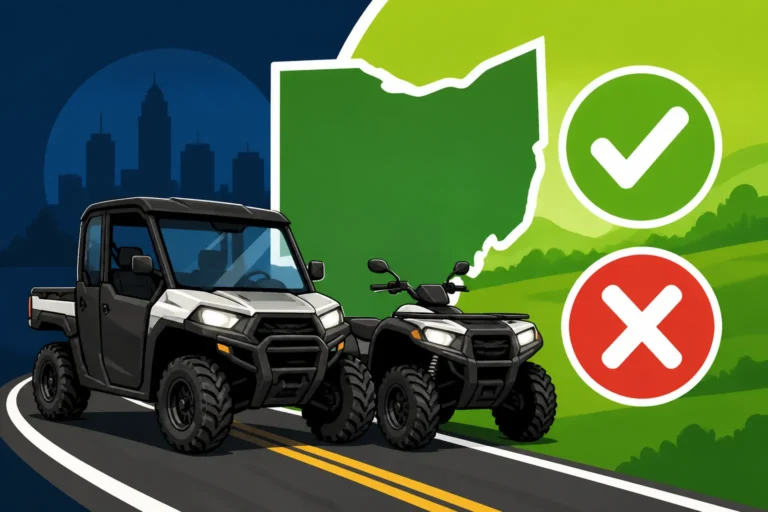
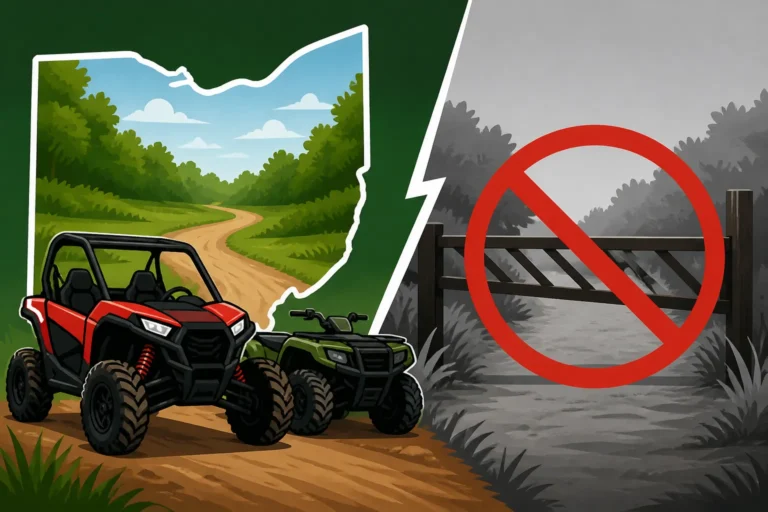
This resolution specifically pertains to roads under the jurisdiction of Washington County. It's crucial to understand that this does not automatically extend to state routes, federal highways, or roads managed by individual townships within the county, unless those townships have also passed their own similar resolutions. This can be a tricky distinction for riders, as you might transition from an open county road directly into a township that hasn't approved such use, leading to potential legal issues if you're not aware. Always double-check your specific route plans and the local rules.
What the Resolution Means for Riders
At its heart, Washington County Resolution 2024-1114 means that registered and properly equipped all-purpose vehicles (APVs), which include ATVs and UTVs, can now be operated on designated county roads within Washington County. This opens up countless miles of roadways that were previously off-limits, allowing riders to connect between trail systems, access remote fishing spots, or simply enjoy a ride through the picturesque landscapes of southeastern Ohio. It’s a game-changer for local riders who’ve long wished for greater freedom with their machines.
However, "open" doesn't mean "anything goes." The resolution comes with very clear stipulations about what kind of machines are permitted and how they must be operated. It’s not a carte blanche to disregard safety or equipment regulations. Think of it as a privilege that comes with responsibility. Riders are expected to be familiar with the rules, ensure their vehicles meet all legal requirements, and operate them safely and respectfully alongside other traffic. Failure to adhere to these rules could lead to citations and, potentially, the revocation of such privileges in the future.
Why Counties and Townships Pass These Laws
Local governments, like Washington County, pass resolutions such as 2024-1114 for a variety of reasons, often driven by community interest and economic potential. For years, residents have expressed a desire for greater access to roads for their ATVs and UTVs, citing reasons from recreational enjoyment to practical farm and property management. There's also a growing recognition of the economic benefits: when off-road riders can connect trails and access local businesses more easily, it can boost tourism and support local shops, gas stations, and restaurants. [Where Ohio APV Registration Money Goes] often helps fund projects like these.
Furthermore, these resolutions can sometimes serve to regulate existing informal practices. Rather than having riders illegally using roads and creating enforcement headaches, formalizing rules allows for safer, more controlled access. By setting clear guidelines for vehicle equipment, rider age, and speed limits, counties aim to integrate APVs safely into the existing road network. It’s a way to acknowledge the popularity of these machines while ensuring public safety remains a top priority for all road users, from cars to bicycles to ATVs.
The Process of Opening Roads
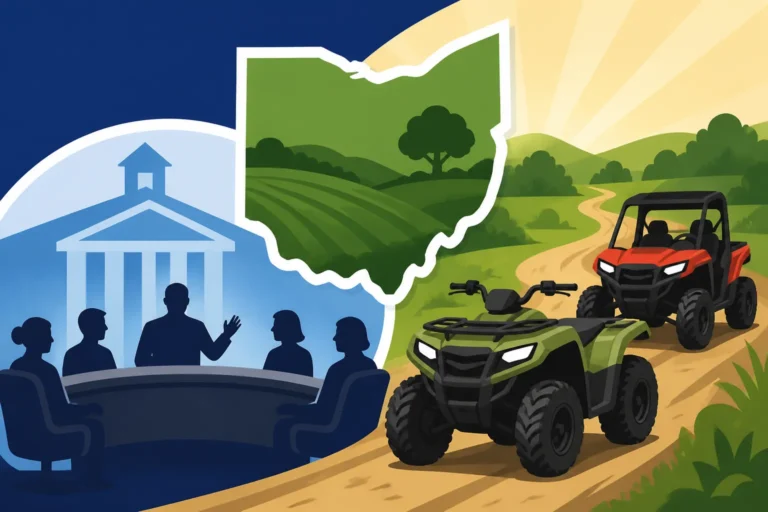
The process of opening roads to APVs typically involves a series of steps, starting with community input and culminating in a formal vote by the county commissioners or township trustees. In the case of Washington County, Resolution 2024-1114 was the result of the county commissioners deliberating on the matter. These officials consider various factors, including public safety concerns, the condition of the roads, potential environmental impacts, and the overall will of the community. It's a careful balancing act to ensure that the benefits outweigh any potential drawbacks.
Once a resolution is passed, there might be a period before it fully goes into effect, allowing time for signage to be put up and for the public to be informed. It’s not unusual for counties to start with a limited set of roads or implement specific speed restrictions to gauge the impact before potentially expanding the program. Riders should always be on the lookout for official signage indicating whether an APV is permitted on a specific road and what the local regulations are. [How County Commissioners Vote to Open Roads to APVs] is a great resource to understand this process more deeply.
Riding Legally on Washington County Roads
Now that Washington County has opened its roads, simply owning an ATV or UTV isn't enough to ride legally. You need to ensure your machine and your riding habits comply with all the new regulations set forth by the resolution and existing state law. This means paying close attention to both how your vehicle is equipped and how you, as the operator, are prepared. It’s about being a responsible road user, not just an off-road adventurer.
Navigating these requirements can feel a bit like reading legal jargon, but breaking it down makes it much more manageable. The goal is always safety and ensuring that APVs can coexist harmoniously with traditional vehicles. Many of these requirements mirror what you'd expect from any vehicle sharing public roads, which helps with integration and driver awareness.
Vehicle Requirements for Road Use
For your ATV or UTV to be considered legal for road use in Washington County, it must meet specific equipment standards. First and foremost, your machine needs to be properly titled and registered as an all-purpose vehicle with the state of Ohio. This is non-negotiable and provides the basic legal identification for your machine. Your vehicle will receive an [Ohio APV Plates and Validation Stickers] which is crucial.
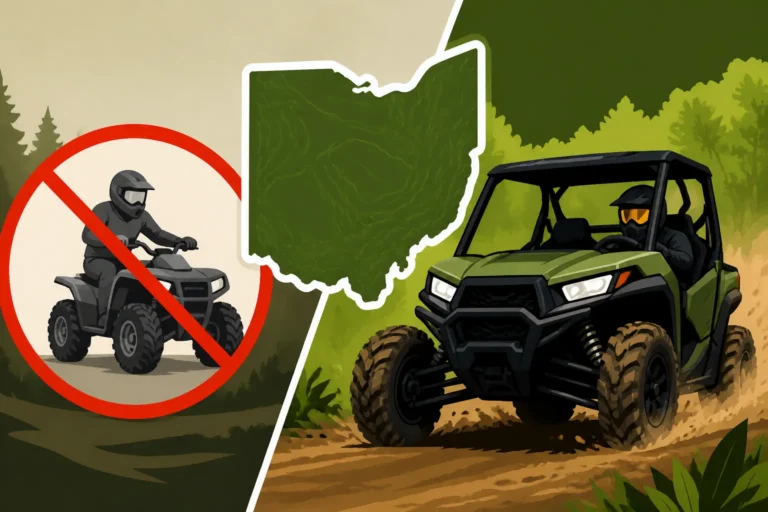
Beyond registration, the machine itself must be equipped with essential safety features. This typically includes working headlights, taillights, brake lights, and turn signals. Your machine also needs at least one rearview mirror, a horn, and a muffler that keeps noise levels within legal limits. For UTVs, a windshield and windshield wipers are usually required, and if you’re looking to upgrade, companies like SuperATV offer a range of road-legal accessories designed to meet these exact specifications, making the process of outfitting your machine much simpler.
| Equipment Requirement | ATV | UTV |
|---|---|---|
| Ohio APV Registration | Yes | Yes |
| Ohio APV Title | Yes | Yes |
| Headlights | Yes | Yes |
| Taillights | Yes | Yes |
| Brake Lights | Yes | Yes |
| Turn Signals | Yes | Yes |
| Rearview Mirror(s) | Yes | Yes |
| Horn | Yes | Yes |
| Muffler | Yes | Yes |
| Spark Arrester | Yes | Yes |
| Windshield | No | Yes |
| Windshield Wipers | No | Yes |
| Seat Belts (for passengers) | No | Yes |
| Roll Bar/Cage | No | Yes |
It’s important to note that specific requirements can vary slightly, so always consult the full text of Washington County Resolution 2024-1114 or contact the county engineer's office for the most current and detailed list. [Ohio Equipment Rules for an APV on a Road] and [Ohio Equipment Rules for a UTV on a Road] provide more general information about these requirements across the state.
Rider Requirements and Responsibilities
Just as your machine needs to be ready for the road, so do you, the rider. To operate an APV on Washington County roads, you must possess a valid driver’s license. This isn't just about having it in your wallet; it means you are expected to operate the APV with the same level of care and knowledge as you would any other motor vehicle. The road is a shared space, and your actions impact everyone around you.
Beyond licensing, riders have a responsibility to know and follow all traffic laws, including speed limits, stop signs, and right-of-way rules. This isn't off-roading where you can blaze your own trail; these are public roads shared with cars, trucks, and sometimes even bicycles. Maintaining a keen awareness of your surroundings and anticipating other drivers' actions is paramount. Always carry your [Proof of Insurance on an Ohio Road] and registration card with you when riding.
Insurance and Licensing Rules
Having adequate insurance is not just a good idea; it's a legal requirement for operating an APV on public roads in Ohio, including Washington County. This typically means having liability insurance that covers potential damages or injuries you might cause to others. The specific coverage limits will be set by state law, so it’s vital to confirm with your insurance provider that your policy meets these minimum requirements for road use. Don’t assume your existing off-road policy automatically extends to public roads; often, it requires an endorsement or a separate policy.
As mentioned, a valid [A Driver's License on an Ohio Road] is a prerequisite for any adult operating an APV on public roadways. For younger riders, there are strict age restrictions and supervision rules, which we’ll cover in more detail later. It’s also important to remember that drunk driving laws apply just as rigorously to APVs on roads as they do to cars. Operating an APV under the influence will result in the same penalties, including license suspension and fines. Safety and responsibility are always the top priorities when riding on roads.
Navigating Road Types in Washington County
Understanding which roads are fair game for your APV in Washington County can be a little like deciphering a map with multiple layers. It's not a blanket approval for every paved surface you encounter. The resolution specifically targets roads under the county's jurisdiction, but you'll inevitably encounter roads managed by different authorities. Knowing the difference and observing local signage is crucial to avoid an unexpected encounter with law enforcement.
The landscape of Washington County includes a mix of county roads, township roads, state routes, and even federal highways. Each has its own set of rules, and while the county resolution opens many doors, it doesn't open them all. Being a smart, informed rider means being aware of these distinctions before you head out, preventing potential fines or safety hazards.
County Roads vs. Township Roads
Washington County Resolution 2024-1114 explicitly opens roads controlled by the county to APV traffic. These are typically numbered county roads, maintained by the Washington County Engineer's office. You’ll often see signs indicating "Washington County Road" followed by a number. These are the roads where you can generally expect to ride legally, provided your machine and you meet all the other requirements. [Ohio Rules for Riding a County Road] details more about this.
However, many smaller roads in Washington County fall under the jurisdiction of various townships, such as Muskingum, Newport, Salem, and Warren Townships. For your APV to be legal on a township road, that specific township's trustees must also pass their own resolution similar to the county's. A county resolution does not automatically apply to township roads. Therefore, if you plan to ride on township roads, you need to verify if that particular township has passed an ordinance allowing APV use. Calling the township clerk's office is often the best way to get this information. [Ohio Rules for Riding a Township Road] also covers this.
Understanding Road Speed Limits
When riding your APV on Washington County roads, you must adhere to all posted speed limits, just like any other vehicle. If a road has a sign indicating 35 MPH, that's your maximum. If an Ohio road is unposted, the default statutory speed limit often applies, which can be considerably higher than what's safe or legal for an APV. It's common for resolutions to include specific APV speed limits, sometimes capping them at a lower speed, such as 35 MPH, even if the posted car speed limit is higher. Always check the resolution for these crucial details.
Riding an APV is a different experience than driving a car, especially at higher speeds. The handling characteristics, tire grip, and braking distances are all different. Therefore, even if the law permits a certain speed, use good judgment and ride at a speed that is safe for your machine, the road conditions, and your skill level. Exceeding safe speeds can quickly lead to loss of control, especially on gravel or less-maintained rural roads that are common in Washington County.
Crossing State Routes and Interstates
While Washington County Resolution 2024-1114 opens county roads, it does not grant permission to ride on state routes (like US or Ohio numbered highways) or interstates. These roads are under state or federal jurisdiction and are generally off-limits to APVs, with very few exceptions. Attempting to ride on these major arteries can lead to significant fines and dangerous situations due to high traffic volumes and speeds. [Ohio Rules for Crossing a State Route] is a vital read for anyone planning a route.
However, the resolution likely allows for crossing a state route at an intersection to get from one legal county road to another. This must be done safely and directly, obeying all traffic signals and signs. You cannot ride alongside a state route for any distance, even on the berm. The intent is to allow for practical connectivity, not prolonged travel on restricted roadways. Always plan your routes carefully, identifying legal crossings and avoiding any stretches of state or interstate highways.
Equipment Specifics for Ohio Road-Legal Machines
Getting your ATV or UTV ready for Washington County roads involves more than just a quick once-over. The law is quite specific about the equipment needed to ensure your machine is visible, controllable, and safe for public road use. These aren't just suggestions; they are mandates designed to protect you and other motorists. Many riders find themselves making several upgrades to their machines to meet these requirements.
It’s crucial to invest in quality, durable components that will hold up to the rigors of both trail and road riding. Aftermarket manufacturers like SuperATV specialize in creating road-legal kits and components that can help bridge the gap between an off-road beast and a street-friendly cruiser. Don't cut corners here; your safety and legal standing depend on it.
Essential Lighting and Signaling
For road use, your APV must have fully functional headlights, taillights, and brake lights, just like any other vehicle. These lights ensure you are visible to others, especially at dawn, dusk, or in inclement weather. Beyond basic lighting, turn signals are typically required both front and rear. These are critical for communicating your intentions to other drivers, whether you’re making a turn or changing lanes. Many off-road machines don't come standard with turn signals, so this is a common upgrade for riders looking to hit the streets.
Additionally, a working horn is mandatory for warning other road users. It might seem like a small detail, but being able to signal your presence is a fundamental safety feature. Consider a robust horn that is loud enough to be heard over engine noise and other traffic sounds. You can find comprehensive kits that include all these lighting and signaling components, often bundled with switches and wiring harnesses to simplify installation.
Mirrors, Windshields, and Wipers
Visibility is key on public roads, and this means having proper mirrors. Most resolutions require at least one rearview mirror, typically on the left side, but having two (one on each side) provides much better situational awareness. Aftermarket mirrors designed for APVs are often more durable and provide a wider field of view than stock options. [Mirrors Before a Road Ride] is good general advice.
For UTVs, a windshield is almost always a requirement, along with functional windshield wipers. This ensures clear visibility in rain, snow, or muddy conditions, which are common in Ohio. When choosing a windshield, look for one made from durable, scratch-resistant materials. SuperATV, for instance, offers a variety of windshields, some of which are designed with features like scratch resistance or tinting, ensuring both compliance and comfort. For an APV that is not a UTV, a windshield is generally not required, but eye protection is always a must.
Sound and Spark Arrester Requirements
Every APV operated on public roads must have an effective muffler system to keep noise levels within legal limits. Excessive noise can be a nuisance to residents and can lead to complaints that could jeopardize the future of road access. While there aren't often specific decibel limits written into county resolutions, common sense and courtesy go a long way. If your machine is roaring down the road, it's likely too loud.
In addition to a muffler, a spark arrester is also usually required. This device prevents hot carbon particles from exiting the exhaust system and potentially starting fires, especially when riding in dry, grassy areas. Most stock ATVs and UTVs come with spark arresters installed, but if you've modified your exhaust, double-check that your new system retains this crucial safety feature. It's a small component, but one that plays a big role in preventing wildfires.
Safety and Enforcement in Washington County
With the privilege of riding on Washington County roads comes the responsibility of adhering to strict safety protocols and understanding how local law enforcement will enforce the new resolution. It’s not just about what equipment your machine has, but how you operate it and who is allowed to ride. Education and vigilance are your best tools for a safe and legal ride.
Deputies in Washington County will be on the lookout to ensure compliance, not just to issue tickets, but to keep everyone on the road safe. Being aware of helmet laws, age restrictions, and what to do if you’re pulled over is part of being a responsible APV operator. [What an Ohio Deputy Checks Roadside] can give you a better idea of what to expect.
Helmet and Eye Protection Rules
Ohio state law mandates that riders under the age of 18 must wear a helmet when operating an ATV or UTV on public land or roads. While adults (18 and over) are not always legally required to wear a helmet on certain public roads in Ohio, many county resolutions, including Washington County's, might impose stricter helmet rules for APV road use. Always assume a helmet is required, regardless of your age, when riding on roads, as it offers vital protection in case of an accident. [Ohio Helmet Law for APV Riders] provides more details.
In addition to helmets, eye protection is universally recommended and often legally required. This can be goggles or a face shield on a full-face helmet. Protecting your eyes from dust, debris, insects, and projectiles is crucial for maintaining clear vision and preventing serious injury, especially when sharing roads with other vehicles that can kick up various materials. This is a non-negotiable safety item.
Age Restrictions and Supervision for Minors
Ohio law has clear guidelines regarding the age at which individuals can operate ATVs and UTVs. Generally, minors under 16 must be supervised by an adult when riding on public land. When it comes to public roads, these rules often become even stricter. Washington County's resolution will likely mirror or even enhance state mandates, potentially requiring riders to be 16 years of age or older with a valid driver's license to operate an APV on county roads. [Ohio Minimum Age to Ride an APV] is important to note.
For any minor passengers, there will also be specific rules about their age and whether they can legally ride along. Often, passengers must be able to reach the footrests and hold on properly. The supervising adult must always be licensed and responsible for the minor's actions and safety. Failing to adhere to age and supervision rules can result in citations and can be particularly dangerous for young, inexperienced riders on public roadways.
What to Expect from Law Enforcement
If you are riding your APV on a Washington County road, you should be prepared to be stopped by law enforcement, especially in the initial period after the resolution passes as officers familiarize themselves with the new rules. If a deputy initiates a stop, pull over safely to the side of the road, turn off your engine, and keep your hands visible. Present your driver's license, vehicle registration, and proof of insurance promptly.
Deputies will be checking for compliance with all aspects of the resolution and state law: proper registration and plating, required safety equipment, rider licensing, and adherence to traffic laws. Be polite and cooperative. If your machine or you, the rider, are not in compliance, you could face [Ohio Fines for Illegal APV Road Use]. Understanding the rules and ensuring your compliance beforehand will make any interaction with law enforcement a routine and quick process, rather than a stressful one.
Beyond Washington County: The Bigger Picture in Ohio
While Washington County's Resolution 2024-1114 is a fantastic step forward for local riders, it's essential to remember that Ohio is a state with diverse landscapes and equally diverse local regulations concerning APV use on roads. What's legal in Washington County might not be permitted in the adjacent county or even the next township over. This patchwork of laws can be confusing, but understanding the general landscape can help you navigate beyond your home turf.
Many communities are watching areas like Washington County to see how these resolutions play out, potentially paving the way for similar ordinances elsewhere. The conversation around APV road access is ongoing across the state, highlighting the need for riders to stay informed and advocate for responsible use.
Why a Statewide Law is Different
Currently, Ohio does not have a comprehensive statewide law that permits general APV use on all local roads. Instead, the authority to open roads to ATVs and UTVs largely rests with individual county commissioners and township trustees. This is why you see resolutions like Washington County's, [How County Commissioners Vote to Open Roads to APVs], or [How Township Trustees Open Their Roads to APV Riders]. This decentralized approach means that a rider must investigate the specific rules of each jurisdiction they plan to enter.
A statewide law, if ever passed, would offer much more uniformity and predictability for riders, potentially simplifying travel across county lines. However, drafting such legislation is complex, involving considerations for diverse road types, population densities, and safety concerns across the entire state. Until then, the onus is on the rider to know the local rules wherever they choose to ride, whether in their home county or when visiting another part of Ohio.
How Other Counties and Townships Compare
Across Ohio, you’ll find a mix of approaches to APV road use. Some counties and townships have embraced it, passing resolutions similar to Washington County's, allowing APVs on their local roads. Others have maintained strict prohibitions, citing concerns about safety, road wear, or noise. This creates a fascinating, albeit sometimes frustrating, mosaic of permissions and restrictions.
To find out where else you can ride legally, you'll need to do some research. Checking the websites of county commissioners or township trustee boards, or directly contacting their offices, can provide the most accurate information. Resources like [Ohio Counties That Allow APVs on Roads] or [Ohio Townships That Allow APVs on Roads] can also offer starting points for your research. The key takeaway is this: never assume that because one area is open, all others are too. Always verify the rules for your specific destination before you load up your machine and hit the road.
Disclaimer
This article is for general informational purposes only and does not constitute professional advice. Laws, prices and regulations vary by location and change over time. Consult a qualified professional for guidance on your specific situation.