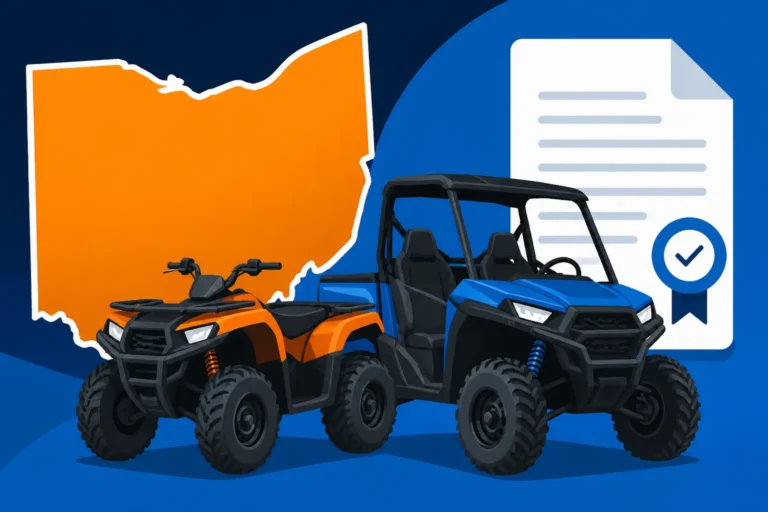
The Ohio Bill That Would Rename All-Purpose Vehicles
Ever found yourself scratching your head, wondering why Ohio calls your beloved ATV or UTV an "All-Purpose Vehicle" when everyone else just calls it what it is? You're not alone! It’s a common point of confusion for riders across the Buckeye State, and frankly, it often leads to misunderstandings about what you can and can't do with your machine. This guide dives deep into the discussions around changing this unique Ohio terminology, exploring the proposed legislative efforts to rename All-Purpose Vehicles, what that could mean for you, and why these conversations are still ongoing in the state legislature.
The Buzz About Renaming Ohio's All-Purpose Vehicles
For years now, Ohio has marched to the beat of its own drum when it comes to classifying off-road machines. While most states simply refer to them as ATVs (All-Terrain Vehicles) or UTVs (Utility Terrain Vehicles), Ohio uses the blanket term "All-Purpose Vehicle," or APV. This unique designation often sparks conversations, sometimes even exasperated sighs, among riders who are used to more common industry terms. You might hear someone at the trailhead asking, "Is that APV of yours a quad or a side-by-side?" when they really just mean, "Is that an ATV or a UTV?" It's a linguistic quirk that has practical implications for registration, titling, and even understanding what the law applies to.
Why Ohio Says All-Purpose Vehicle (and the Confusion It Creates)
The term "All-Purpose Vehicle" isn't just some random choice; it was codified into Ohio law to broadly encompass a wide range of off-road machines, including what many of us know as ATVs, side-by-sides, and even some dirt bikes. The idea was to create a single category for registration and regulation purposes, simplifying the legal framework for these diverse vehicles. However, in practice, it often leads to more questions than answers. New riders moving to Ohio, or even seasoned riders trying to explain their machine to someone from out of state, frequently stumble over the term. It can make researching regulations a bit more cumbersome when you're specifically looking for "UTV laws" and everything is under the "APV" umbrella. It's a classic example of how well-intentioned legislative language can sometimes diverge from common, everyday usage, creating a little friction in the process. This is particularly true as the popularity of side-by-sides has exploded, pushing the boundaries of what most people consider a traditional "ATV." If you're looking to [How Ohio Law Defines an APV], you'll see just how broad that definition truly is.
The New Vocabulary Ohio Law Uses for UTVs
While the "APV" umbrella has been wide, recent years have seen a growing recognition that UTVs, or side-by-sides, have distinct characteristics that might warrant separate consideration. These machines are often larger, heavier, and frequently designed with features that make them more akin to small utility trucks than traditional ATVs. Because of this, some legislative discussions have already started to introduce specific language around "Utility Vehicles" within the broader APV framework, even if a full renaming bill hasn't passed. This means that while the core term "APV" might still be in place, you might start seeing legal documents or proposed bills differentiating "APVs that are not utility vehicles" from "utility vehicles." It's a subtle but significant shift in legislative thinking, acknowledging the evolving landscape of off-road machines. This kind of careful terminology is something many people rely on when dealing with legal forms, much like how platforms such as LawDepot emphasize precise language for various documents.
What the Proposed Renaming Bill Aims to Achieve
The primary goal of any bill seeking to rename "All-Purpose Vehicles" is usually clarity and alignment. Riders, manufacturers, and even law enforcement often find the current terminology less than ideal. A change would bring Ohio more in line with national standards and everyday language, making it easier for everyone to understand the rules and categories. Imagine not having to explain to your buddy from Pennsylvania why your "side-by-side" is legally called an "APV" here. It’s about streamlining communication and reducing potential confusion, which ultimately makes navigating the world of off-road recreation a smoother experience for everyone involved.
Replacing "APV" with "ATV" and "UTV"
The most straightforward and widely discussed proposal involves simply replacing "All-Purpose Vehicle" with the industry-standard terms "All-Terrain Vehicle" (ATV) and "Utility Terrain Vehicle" (UTV). This would mean creating two distinct categories under the law, each with its own specific definition based on commonly understood characteristics like seating configuration, width, and steering mechanism. An ATV would generally refer to a straddle-ridden vehicle, while a UTV would be a side-by-side vehicle with a steering wheel and bucket or bench seating. This move would mirror how many other states differentiate between these machines, simplifying not only terminology but potentially allowing for more tailored regulations in the future. For example, specific equipment requirements or road-use allowances might be easier to implement if the machines are already legally distinct. If you're exploring official documents, you might already notice how specific language is used, and services like LawDepot are keen on providing clear, precise forms, which this kind of renaming would aim to achieve in state law.
Why a Renamed Category Would Change Things for Riders
A renaming bill isn't just about semantics; it has the potential to introduce practical changes for riders. The biggest impact would likely be in how specific regulations are applied. For instance, if UTVs are recognized as a separate category, they might have different requirements for road eligibility, equipment (like mirrors or turn signals), or even age restrictions, compared to ATVs. It could clarify which types of machines are allowed on specific trails, or how [Ohio's 62-Inch State Forest Width Limit] might apply to UTVs specifically. It could also influence [Ohio APV Registration Paperwork], making it clearer which box to check or what information applies to your particular machine. While the core process of [Registering an APV in Ohio] would likely remain similar, the underlying definitions that guide what you're registering would be more precise. This clarity can be a huge relief, reducing the guesswork that many riders currently face.
The Push for Clearer Definitions in Ohio Law
The push for clearer definitions isn't just coming from riders; manufacturers, dealers, and even safety advocates see the benefit. Standardized terminology makes it easier to convey safety messages, classify vehicles for sales and insurance, and ensure that regulations are applied consistently. When the law uses terms that align with common understanding, it reduces ambiguity and the potential for misinterpretation. This is especially important when discussing things like [Ohio Fines for an Unregistered APV] or other enforcement actions. If everyone is speaking the same language, there's less room for confusion about what constitutes a violation. For those who frequently consult legal resources, the value of clear, unambiguous definitions is paramount, and a platform like LawDepot demonstrates how proper legal terms are structured and understood.
Potential Impacts and Unanswered Questions for Riders
Even with the best intentions, changing long-standing legal terminology can create a ripple effect, leading to both anticipated benefits and some initial questions. Riders would naturally wonder how such a change would affect their current machine, their registration, and their everyday riding habits. It’s not just about what a new plate might say; it’s about understanding if they need to do anything differently or if new rules would apply to their existing vehicle. This uncertainty is a natural part of any legislative shift, and it’s why discussions around these bills are so crucial.
Will My Current "APV" Become an "ATV" or "UTV" Automatically?
One of the biggest questions on every rider's mind would be about their existing machine. If Ohio were to rename APVs to ATVs and UTVs, would your current "APV" automatically be reclassified? The most likely scenario, based on how similar changes have been handled in other states, is that existing registrations would be grandfathered in or updated to reflect the new categories without requiring a new title or significant action from the owner. Your existing machine's characteristics (straddle-ridden vs. side-by-side) would determine its new classification. However, it's possible that when it comes time for [Ohio's Three-Year APV Registration] renewal, the new paperwork might already reflect the updated terminology, prompting you to confirm the type of vehicle you own. It’s usually a smooth transition, but always wise to keep an eye on official announcements.
How Would This Affect Registration and Titling?
While the initial process of [Registering an APV in Ohio] would likely remain much the same – you'd still go through the same channels – the forms themselves could change. Instead of checking a box for "APV," you might choose "ATV" or "UTV." The fees, such as the [Ohio APV Registration Cost], would probably stay consistent, but the distinction could open the door for differentiated fees or taxes in the future, should lawmakers decide that larger, heavier UTVs should be treated differently. Titling documents, too, would eventually reflect the new terminology. If you ever need to create a bill of sale or other ownership transfer documents, having clear, unambiguous vehicle definitions would simplify things, something that legal document providers like LawDepot frequently emphasize.
What a Renamed Category Would Change for Ohio Riders
Beyond the paperwork, a renamed category could impact where and how you ride. If UTVs are given a distinct legal identity, it might pave the way for more specific regulations concerning their use on public roads or trails. For example, some counties might be more inclined to open roads to UTVs if they can be regulated separately from smaller, faster ATVs. Conversely, certain trails might impose stricter rules on UTVs due to their size and weight. While the goal is often clarity and consistency, it’s always possible that new distinctions could lead to new sets of rules. It’s about creating a clearer framework that could, over time, lead to more tailored regulations for different types of off-road machines. It's crucial for riders to stay informed about such developments, as they can directly affect their riding freedom and responsibilities.
Let's look at a quick comparison of the current and proposed terminology:
| Current Ohio Terminology | Proposed Ohio Terminology (Common Industry Terms) | Primary Characteristics Covered | Potential Impact on Riders |
|---|---|---|---|
| All-Purpose Vehicle (APV) | All-Terrain Vehicle (ATV) | Straddle-ridden, handlebars, often single-rider | Clearer identification, potentially specific ATV-only rules |
| All-Purpose Vehicle (APV) | Utility Terrain Vehicle (UTV) | Side-by-side seating, steering wheel, often multi-passenger | Clearer identification, potentially specific UTV-only road/trail rules |
Why the Renaming Bill Is Still in Committee (and What That Means)
The legislative process is often slow and deliberate, especially when it comes to changing long-standing legal definitions. A bill proposing to rename "All-Purpose Vehicles" to "ATVs" and "UTVs" needs to go through several stages, including committee hearings, votes in both the House and Senate, and finally, the Governor's signature. This entire process can take months, or even years, and sometimes bills never make it out of committee at all. It’s not necessarily a sign of opposition, but rather a reflection of the many competing priorities in the legislature and the time it takes to fully vet any proposed changes.
The Ohio Bill That Would Rename All-Purpose Vehicles
Several legislative efforts in Ohio have aimed to modernize the language surrounding off-road vehicles. While specific bill numbers and details can change from session to session, the underlying goal remains the same: to align Ohio's legal definitions with the common understanding of ATVs and UTVs. These bills often originate from concerns raised by rider groups, manufacturers, or even law enforcement, who seek greater clarity. However, getting a bill through the legislative labyrinth requires significant support and negotiation. Sometimes, a bill can sit in committee for extended periods as lawmakers focus on other pressing issues, or as they gather more input from stakeholders. This is why you might hear about "the Ohio bill that would rename All-Purpose Vehicles" but not see any immediate changes in your mailbox. If you're looking for background, you might research [Why the 2025 Ohio Bill Is Not Law] to understand how previous legislative attempts have unfolded.
Why the APV Renaming Bill Is Still in Committee
A bill remaining in committee can happen for a number of reasons. It might be due to a lack of immediate political urgency compared to other issues, or perhaps there are ongoing discussions to iron out specific language. Stakeholders, including rider associations, law enforcement, and industry representatives, might still be providing feedback, leading to revisions. Sometimes, it’s simply a matter of timing and the legislative calendar. While it might be frustrating for riders eager for clearer definitions, the committee stage is where bills are thoroughly examined, debated, and often refined to ensure they achieve their intended purpose without creating unforeseen negative consequences. So, for now, while the conversation is definitely out there, it's important to remember [Why Guides Still Say All-Purpose Vehicle] – because that's what the law currently states.
What Riders Should Do While the Bill Is Still Being Considered
While legislative discussions are ongoing, the most important thing for Ohio riders is to continue to adhere to the current law. Your machine is still legally an "All-Purpose Vehicle," and all regulations pertaining to APVs still apply. This includes proper registration, titling, and adhering to all rules for trail and road use. It's always a good idea to stay informed by following legislative updates from rider associations or the Ohio Department of Natural Resources (ODNR). Don't make any assumptions about changes until a bill has officially passed and gone into effect. Keep your [Ohio APV Registration Paperwork] handy, ensure your machine is properly plated, and continue to enjoy the trails safely under the existing legal framework. Keeping your documentation in order is always wise, and if you're ever looking for templates for legal agreements or forms related to vehicle sales, resources like LawDepot can be quite helpful.
Disclaimer
This article is for general informational purposes only and does not constitute professional advice. Laws, prices and regulations vary by location and change over time. Consult a qualified professional for guidance on your specific situation.