Ohio Rules for Riding a Wildlife Area
It's incredibly frustrating, isn't it, when you want to explore the natural beauty of Ohio on your ATV or UTV, only to hit a wall of confusing regulations? Many of us look at the vast expanses of Ohio's wildlife areas and wonder if they could be the perfect spot for a weekend ride, but the reality is often far more complex than we hope. This guide is here to untangle those rules, clarify what's generally allowed (and, more often, what isn't), and help you understand how to responsibly enjoy Ohio's outdoors without risking a citation or harming delicate ecosystems.
The Core Mission of Ohio's Wildlife Areas: Conservation First
Before we even dive into specific rules, it's really important to understand the fundamental purpose behind Ohio's wildlife areas. Unlike state forests or some private parks that might be managed for multi-use recreation, wildlife areas, managed by the Ohio Department of Natural Resources (ODNR) Division of Wildlife, have a primary mission: protecting and enhancing wildlife habitats and populations. This means that every rule, every restriction, is designed with the well-being of the animals and their environment as the top priority.
Imagine you're trying to raise a family of pheasants or protect a rare wetland bird. Constant noise and disturbance from vehicles, even from responsible riders, can be incredibly detrimental. It's not just about the physical impact of tires on the ground, but also about the disruption to breeding seasons, feeding patterns, and the overall tranquility that many species need to thrive. So, when you see those "No Motorized Vehicles" signs, know that they're there for a very good reason – to give Ohio's incredible wildlife a sanctuary. It's a different goal than a trail system designed for enjoyment, which is why the rules are often much stricter here.
Protecting Sensitive Habitats and Species
Ohio's wildlife areas are often home to sensitive ecosystems that are easily damaged. Think about critical wetlands, nesting grounds for migratory birds, or areas where rare plant species grow. An ATV or UTV, even on what might seem like a well-worn path, can inadvertently disturb these delicate balances. Tire ruts can disrupt water flow in wetlands, introduce invasive species, or compact soil in ways that make it difficult for native plants to thrive.
Beyond the physical impact, there's the auditory disturbance. Many wildlife species are highly sensitive to noise, especially during crucial times like nesting, rearing young, or migrating. The sound of an engine, even a well-maintained one, can scare off wildlife, causing them to abandon nests or leave prime feeding grounds. The Division of Wildlife has to make hard choices to prioritize these fragile environments, and unfortunately, that often means limiting or prohibiting recreational motorized vehicle use entirely. It's a tough pill to swallow for riders, but it comes from a place of deep commitment to conservation.
General Prohibitions: Why Recreational APV Riding is (Mostly) Off-Limits
Let's get straight to the point: for the vast majority of Ohio's wildlife areas, recreational ATV or UTV riding is simply not permitted. This is a crucial distinction to make when you're planning your outings. While state forests like Monday Creek or Hanging Rock have designated trails for [Where to Ride an ATV in Ohio], wildlife areas generally do not offer the same opportunities. You won't find marked trail systems explicitly designed for ATVs or UTVs within these conservation lands.
This blanket prohibition stems directly from the conservation-first mission. To allow general recreational riding would fundamentally undermine the efforts to protect wildlife. Imagine the impact of dozens of machines crisscrossing a pheasant hunting area during nesting season, or roaring through a wetland where ducks are rearing their young. It simply wouldn't work. The rules are in place to preserve the peace and ecological integrity these areas are designed to foster. So, if your primary goal is a thrilling trail ride, you'll need to look to other types of public land or private riding parks.
Understanding the "No Motorized Vehicles" Standard
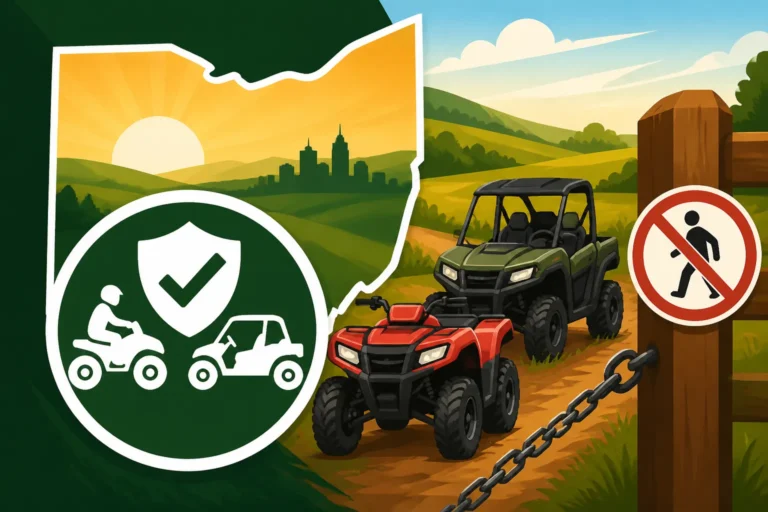
When you see signs stating "No Motorized Vehicles," it includes ATVs, UTVs, dirt bikes, and other off-highway vehicles. This isn't just a suggestion; it's a rule enforced by wildlife officers. These signs are often posted at access points, along boundary lines, or within specific management units where vehicle use would be particularly disruptive.
It’s easy to misunderstand these rules, especially if you're used to the more permissive access policies of other states or different types of Ohio public lands. A common scenario is someone pulling up to a wildlife area, seeing a gravel road or a two-track leading into the woods, and assuming it's fair game. However, unless there's explicit signage indicating otherwise for a specific purpose (which is rare), assume these roads and tracks are for administrative access, authorized vehicles, or foot traffic only. Don't let your excitement to ride lead you to assume permission where none is explicitly granted. Always err on the side of caution.
Limited Access: When and How APVs Might Be Allowed on Wildlife Areas
Now, with all that said, there are very specific and limited circumstances where an all-purpose vehicle (APV), which includes ATVs and UTVs, might be permitted on a wildlife area. These are almost always tied to specific wildlife management activities, primarily hunting or fishing, and are not for general recreational riding. You won't be able to just show up and go for a joyride.
These exceptions are highly regulated and often require a special permit, specific dates of use, or are restricted to certain types of mobility-impaired individuals. For example, some wildlife areas might allow ATVs for retrieving large game during specific hunting seasons, or provide limited access for individuals with disabilities to reach hunting blinds or fishing spots that would otherwise be inaccessible. It's crucial to understand that these are exceptions to the rule, not the rule itself.
Special Permits for Specific Purposes
If you think your situation might fall under one of these rare exceptions, your first step should always be to contact the specific wildlife area office directly, or the Ohio Division of Wildlife. They are the ultimate authority on what's allowed. You might find that a special permit is required, often with strict conditions on where, when, and how your machine can be used. These permits are typically not granted for general recreational riding, but for assisting with a permitted activity, such as hunting or trapping.
For example, a hunter with a valid permit for a specific deer management program might be granted limited access to recover a harvested animal in an area where vehicle use is usually prohibited. Even then, the travel would be restricted to designated trails or roads, and often only during daylight hours. It’s a far cry from open-ended trail riding. Ensuring your machine is in proper working order, maybe with some reliable parts from SuperATV, is a good idea for any permitted activity, but always confirm the rules first.
Mobility Impaired Access Programs
Another important area where APVs may have limited access is through specific programs for mobility-impaired individuals. The ODNR Division of Wildlife often has programs designed to provide opportunities for hunters or anglers with disabilities to access areas that might otherwise be difficult. These programs usually have very specific eligibility requirements and often involve a lottery system for access to designated blinds or fishing areas.
If you or someone you know qualifies for such a program, it's essential to apply well in advance and understand all the conditions. The use of an ATV or UTV in these situations is typically to provide necessary access, not for recreational cruising. You'll need to check the Division of Wildlife's website or contact their offices for the most current information on these valuable programs. They are an excellent way to ensure everyone has a chance to enjoy Ohio's natural resources, even if it's not the same as open trail riding.
Staying Informed and Responsible: Your Role as an Ohio Rider
Navigating the rules for APV use in Ohio's wildlife areas can definitely feel like a maze, but it doesn't have to be. The most important thing you can do as a responsible rider is to stay informed. Never assume that just because a trail or road looks open, it's permissible for your ATV or UTV. The consequences of riding where you shouldn't can range from a hefty fine to environmental damage, neither of which any responsible rider wants.
Your role as a good steward of Ohio's natural resources is crucial. By respecting the rules of wildlife areas, you help ensure that these vital habitats remain protected for generations to come. This also helps maintain a positive image for the entire off-road riding community, which is so important as we advocate for more riding opportunities in suitable locations.
How to Verify APV Rules for a Specific Wildlife Area
Before you ever load up your machine and head out, the absolute best course of action is to verify the rules for the specific wildlife area you plan to visit. Here’s how you can do it:
- Visit the ODNR Division of Wildlife Website: This is your primary source of information. Each wildlife area usually has its own page detailing permitted activities. Look for sections on "recreational use," "motorized vehicles," or "access."
- Contact the Wildlife Area Office: Many wildlife areas have a local office or a manager whose contact information is available on the ODNR website. A quick phone call can clear up any confusion and get you the most current, accurate information directly from the source.
- Check Posted Signage: When you arrive, always pay attention to posted signs at entry points and throughout the area. These signs are legally binding and will clearly state what is allowed and what is prohibited. Don't ignore them.
It's tempting to rely on old information or hearsay, but laws and regulations can change, and what was allowed last year might not be this year. Taking the extra step to confirm saves you time, potential fines, and ensures you're being a respectful visitor to Ohio's wildlife. Remember, wildlife areas are different from [Ohio's Four State Forest APV Areas], so don't apply the rules interchangeably.
Alternative Riding Locations in Ohio
If your heart is set on recreational ATV or UTV riding, don't despair! Ohio has several fantastic alternatives where your machine is welcome, and the trails are designed specifically for off-road fun. These locations are where your [Ohio APV Plates and Validation Stickers] truly shine.
Here's a quick comparison of typical APV access in different Ohio land types:
| Land Type | Primary Purpose | General APV Recreational Riding | Key Distinctions |
|---|---|---|---|
| Wildlife Areas | Wildlife conservation, habitat mgmt | Generally Prohibited | Focus on minimal disturbance; limited exceptions only. |
| State Forests | Timber, recreation, conservation | Designated Trails Only | Specific trails exist, often with width limits. |
| Wayne National Forest | Multi-use, resource management | Designated Trails Only | Requires a special permit in addition to state plate. |
| Private Riding Parks | Commercial recreation | Generally Permitted | Rules vary by park; often require fees & waivers. |
| County/Township Roads | Public thoroughfares | Highly Restricted/Varies | Only in counties/townships with specific resolutions. |
For true trail riding, your best bets are often the Wayne National Forest (with its specific permit requirements), Ohio State Forests like Monday Creek, Perry State Forest, Pike State Forest, and Richland Furnace State Forest, or the various private riding parks around the state. These places are designed with riders in mind and offer the experiences you're looking for, often with well-maintained trails and facilities. They're where you can really test out those heavy-duty components from SuperATV or just enjoy a leisurely ride. Knowing where to go makes all the difference for a fun and compliant outing! You can also look into [Ohio Rules for Riding Private Land] if you have permission from a landowner.
Disclaimer
This article is for general informational purposes only and does not constitute professional advice. Laws, prices and regulations vary by location and change over time. Consult a qualified professional for guidance on your specific situation.