Riding a Private Park Instead of a State Forest
Ohio state forest trails and private riding parks differ in terrain, machine width limits, admission costs, and access rules.
The map is not the permission.
National forest and BLM routes, state OHV parks, and club trails crossing private land — with the closures and passes that decide whether today counts.
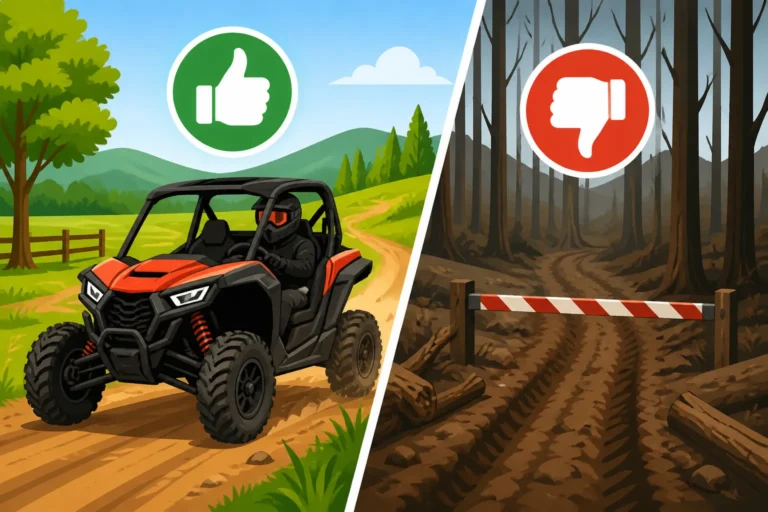
Ohio state forest trails and private riding parks differ in terrain, machine width limits, admission costs, and access rules.
Ohio off-highway trail loops require careful planning to match daylight limits, seasonal access schedules, and terrain conditions before sunset.
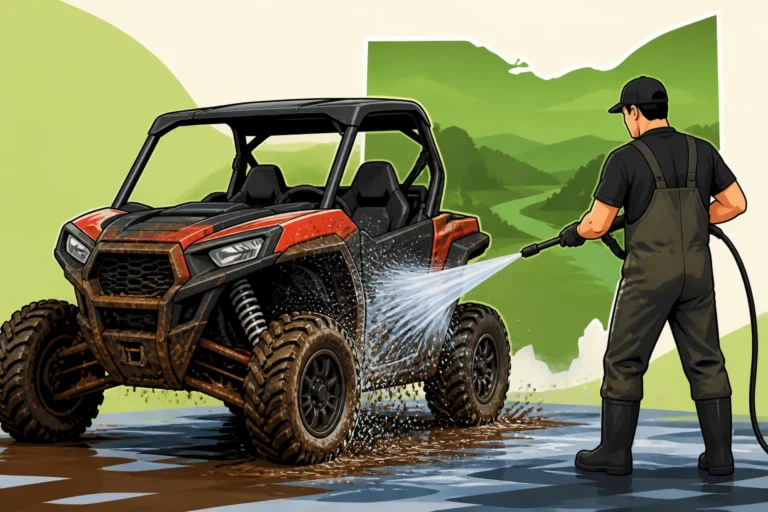
Safely washing an Ohio off road machine after a mud ride without forcing water past seals or electrical parts.
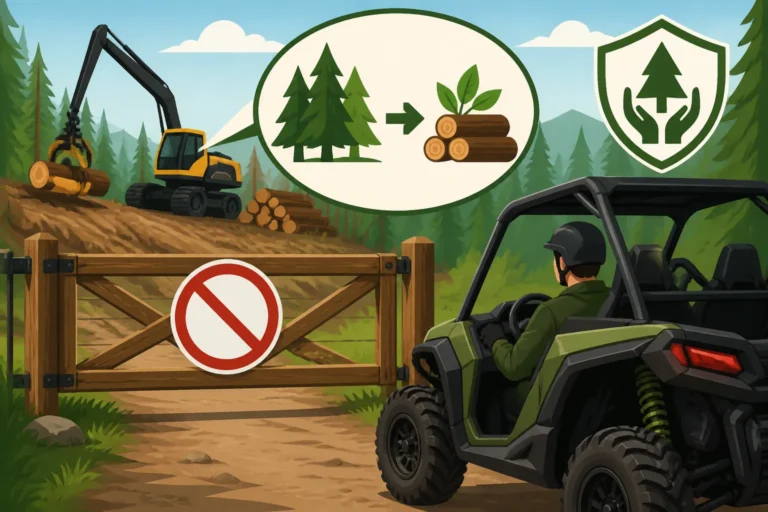
Ohio timber harvests close forest gates to protect workers, prevent trail damage, and manage heavy logging traffic safely.
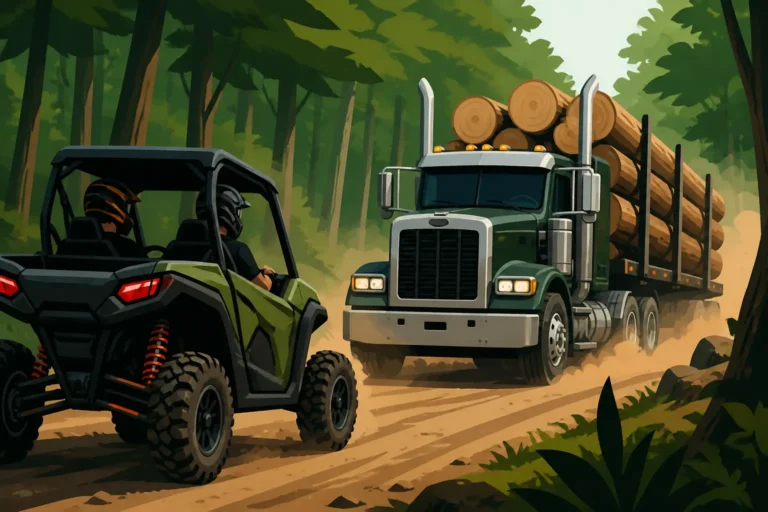
Logging truck safety on Ohio forest roads explains how off-road vehicle riders can stop early and yield to heavy trucks.
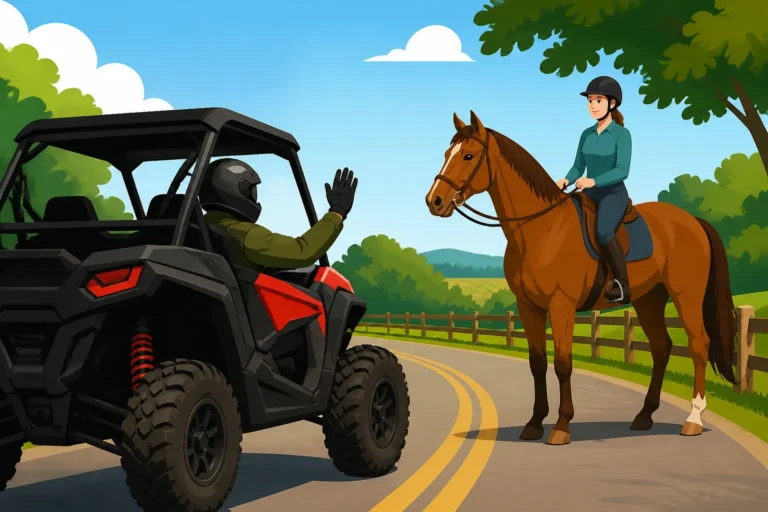
Shared Ohio roads create sudden encounters between all-terrain vehicles and horses, requiring careful slow-downs, clear communication, and safe passing methods.
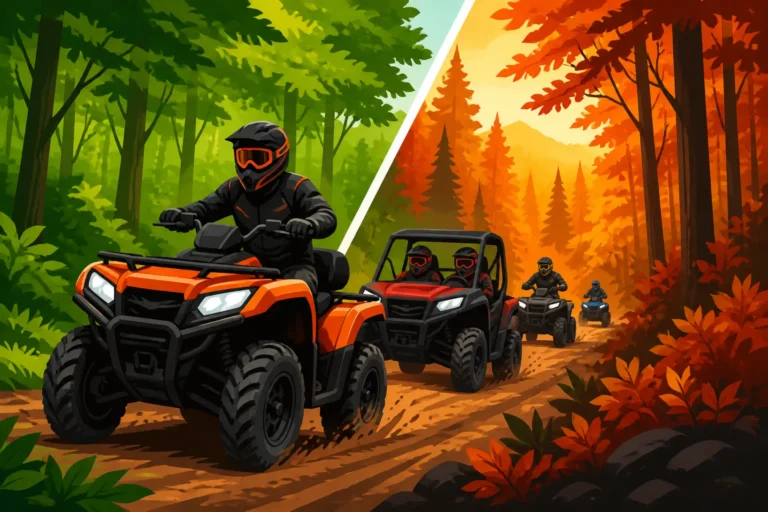
Group riding across two Ohio forests requires planning trail permits, machine widths, and vehicle transport between destinations.
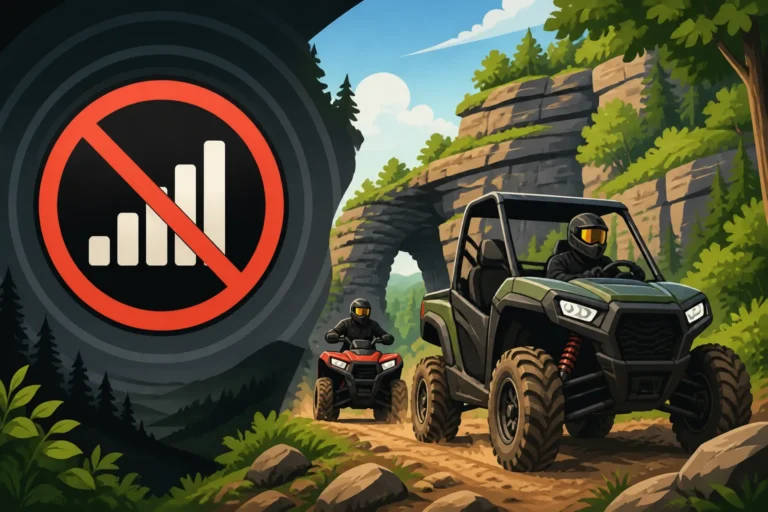
Cell dead zones in the Hocking Hills require offline map preparation and route planning to ensure rider safety.
Fuel planning for Ohio trailheads explains how ATV and UTV riders estimate machine range and choose safe refill stops.
Ohio ATV trail camping rules, land boundaries, and overnight parking requirements explained for state and national forests.