Why State Routes Stay Closed in Ohio
Ohio state routes remain closed to all-purpose vehicles because the Ohio Department of Transportation retains exclusive jurisdiction.
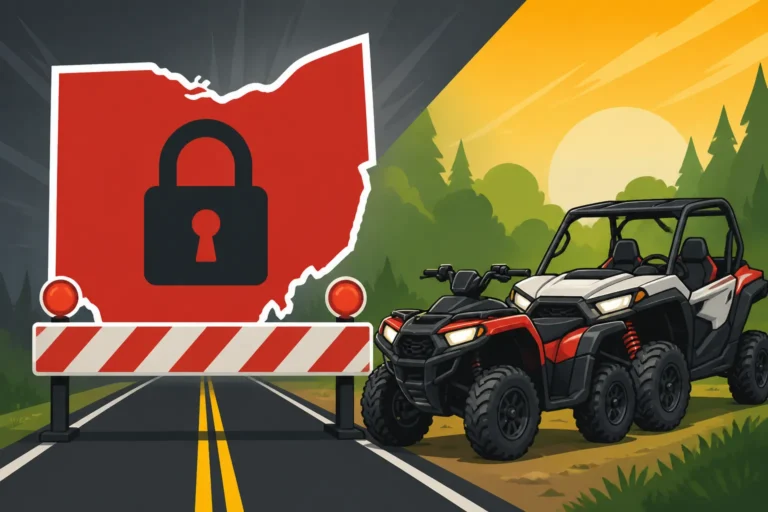
Ohio state routes remain closed to all-purpose vehicles because the Ohio Department of Transportation retains exclusive jurisdiction.
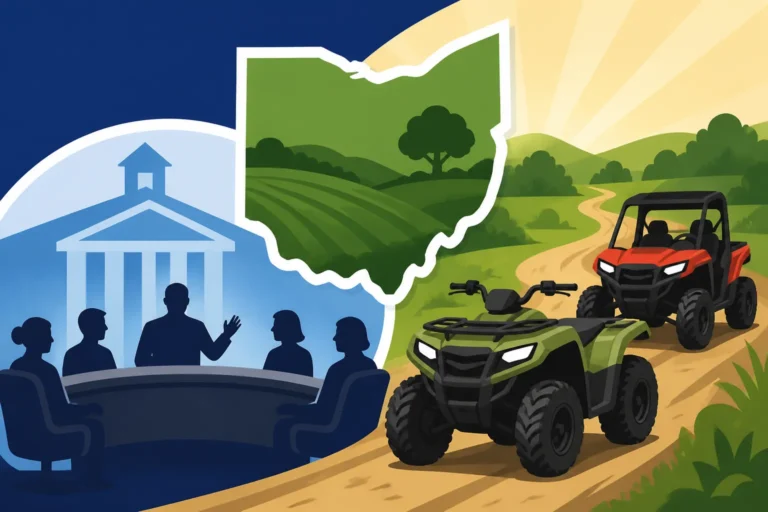
Ohio township trustees resolutions legally permit all-purpose vehicle travel on local roads, bypassing statewide road prohibitions.
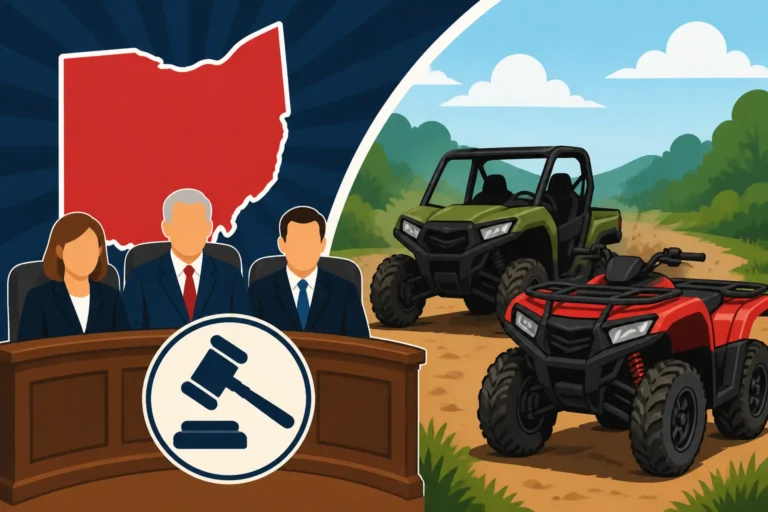
Ohio county commissioners resolutions determine whether all-purpose vehicles can legally operate on public roads across the state.
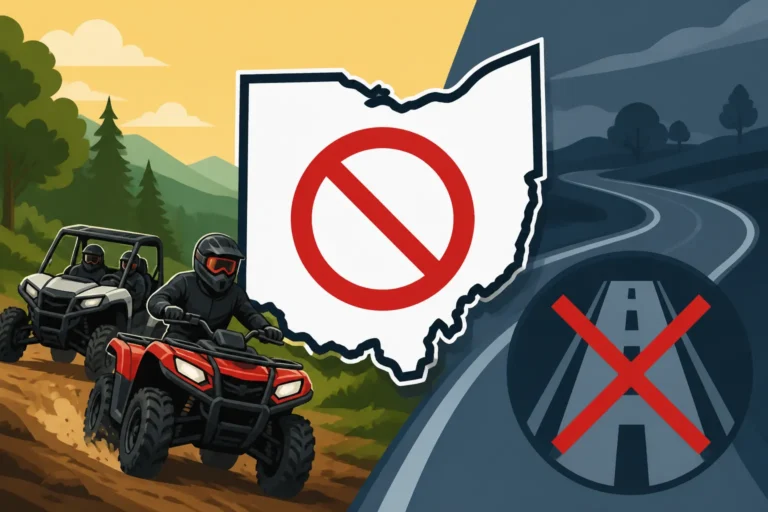
Ohio off-highway vehicle road rules explain why all-purpose vehicles lack statewide access and rely on fragmented local control.
Ohio UTV inspection requirements and the all purpose vehicle definition explain the legal process for road registration.
Ohio insurance requirements for all-purpose vehicles on public roads prevent severe financial penalties and legal liability.

Ohio law sets a minimum age of twelve for operating all purpose vehicles, detailing public land rules and private property parent supervision exceptions.

Ohio helmet laws for all-purpose vehicle riders outline mandatory requirements based on age and riding location.
Ohio APV laws govern whether operating an all-purpose vehicle on a public road berm, shoulder, or right-of-way is legal.
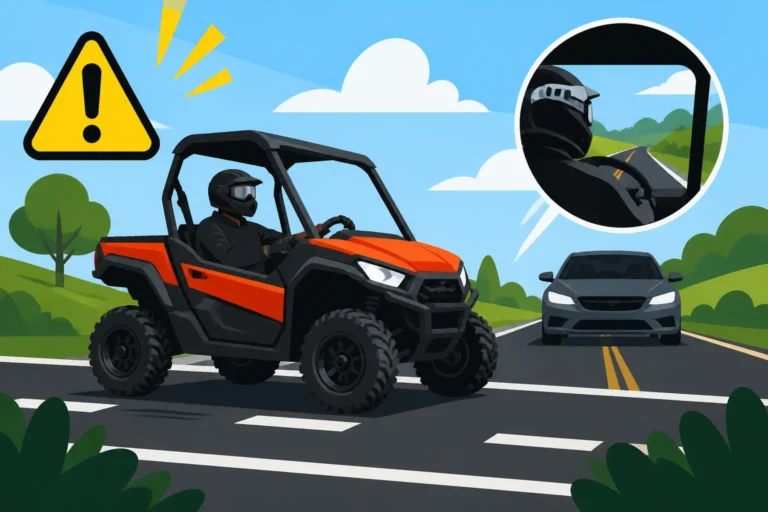
Ohio law governing all-purpose vehicle highway crossings explains local road jurisdictions and rules for riders.