Ohio Eye Protection Requirement
There’s nothing quite like the thrill of hitting the trails on your ATV or UTV, feeling the wind, the dust, and the freedom. But let's be real, that exhilarating feeling can quickly turn to discomfort, or even danger, if a rogue pebble, a low-hanging branch, or a gust of wind-whipped dust finds its way into your eyes. It’s not just an annoyance; it’s a serious safety concern that can lead to accidents and injuries. This guide is all about helping you understand Ohio’s specific eye protection requirements for all-purpose vehicle (APV) riders, ensuring you stay safe, legal, and truly enjoy every mile of your adventure.
Why Ohio Law Takes Eye Protection Seriously for APV Riders
Ohio isn't unique in mandating eye protection for riders, and for good reason. The open nature of ATVs and many UTVs means riders are directly exposed to the environment. When you're moving at speed, even a tiny particle can become a major projectile. The law isn't there to nag you; it's there to protect you from common, preventable hazards that can lead to serious injury or even fatal accidents.
Understanding the Risks on the Trail
Think about the conditions you typically encounter: loose gravel spraying up from tires (yours or someone else's), mud splattering, low branches reaching out, insects flying into your path, and the ever-present dust. Any of these can temporarily blind you, causing you to lose control of your machine. A momentary lapse in vision can mean hitting an obstacle, veering off the trail, or colliding with another rider. Beyond the immediate crash risk, eye injuries themselves can range from minor irritation to permanent damage. This is why the Ohio Revised Code, specifically in the sections pertaining to APVs, is very clear about the need for adequate eye protection. It’s not a suggestion; it’s a requirement designed to keep you out of harm's way.
The Legal Mandate for All-Purpose Vehicles
Ohio law states that any person operating an all-purpose vehicle must wear eye protection. This applies broadly to anyone behind the handlebars or wheel, whether you're navigating a dedicated trail system in one of Ohio's state forests or if you're on a county road where APVs are permitted. The definition of "all-purpose vehicle" itself covers ATVs, side-by-sides, and similar off-highway vehicles. So, no matter what kind of machine you're on, if you're riding in Ohio, eye protection is a must. Failing to comply can lead to a citation, and let's face it, no one wants to cut their ride short with a conversation with a law enforcement officer, let alone pay a fine that could have gone towards your next tank of fuel or trail pass.
What Constitutes "Adequate" Eye Protection Under Ohio Law
The law isn't overly prescriptive about brands or specific styles, but it is clear that whatever you choose must actually protect your eyes. This generally means something that provides a physical barrier and stays securely in place while riding. It's about full coverage and durability, not just fashion.
Goggles vs. Safety Glasses vs. Face Shields
When we talk about eye protection for APV riding, there are a few primary options, each with its own benefits and drawbacks:
- Goggles: These are probably the most common choice for ATV and dirt bike riders. They form a sealed barrier around your eyes, protecting them fully from dust, wind, mud, and debris. Good quality goggles often have features like anti-fog coatings, tear-offs for muddy conditions, and ample ventilation. They fit snugly, often with an adjustable strap, and are designed to integrate well with most helmets. For serious trail riding, especially in dusty or wet conditions, goggles are often the superior choice for their comprehensive protection.
- Safety Glasses: While more discreet than goggles, safety glasses must meet certain impact resistance standards (often ANSI Z87.1 certified). Regular eyeglasses are generally not considered sufficient as they often lack side protection and aren't designed to withstand the impacts common in off-road riding. Look for safety glasses with a wrap-around design to prevent debris from entering from the sides. They can be a comfortable option for lighter riding or when wearing an open-face helmet, but they won't offer the same sealed protection against fine dust or splashes as goggles.
- Face Shields: Many UTVs with full cabs or even just windshields can still benefit from face shields, either integrated into a full-face helmet or as part of a modular helmet. A full windshield on a UTV can offer some protection, but remember that dust and debris can still swirl into the cabin, especially if windows are open or it’s not fully enclosed. Even with a windshield, wearing a helmet with a face shield or a good pair of goggles/safety glasses is a smart redundancy. If you're looking to upgrade your UTV's protection, companies like SuperATV offer robust windshield options that, while not replacing individual eye protection, significantly reduce the amount of direct impact and debris reaching the rider.
Special Considerations for UTVs with Windshields
Here's where it gets a little nuanced. If your UTV has a properly installed windshield, does that count as eye protection? The spirit of the law, and good common sense, suggests that a full, intact windshield can provide a primary layer of protection. However, a windshield is only effective if it's clean, undamaged, and you're not riding with it folded down or removed. More importantly, dust and wind can still get around a windshield, especially in a half-cab or open-sided UTV.
Therefore, even with a windshield, most seasoned riders will still opt for secondary eye protection like safety glasses or goggles. This is especially true if you ride with the windows down, or if the windshield isn't full height. Also, keep in mind that [Ohio's UTV Inspection Before Registration] includes checks for equipment if you plan to make it road-legal. While not directly about eye protection, a damaged or improperly installed windshield could impact your safety and compliance. It’s always best to err on the side of caution and ensure your eyes are directly protected.
When and Where Eye Protection Is Required in Ohio
The short answer is: almost always. Ohio's law applies broadly to the operation of an APV, regardless of whether you're on public land, permitted roads, or even certain private properties. This universal requirement simplifies things – just wear it.
Riding on Ohio's State Forest Trails
Ohio boasts some fantastic riding opportunities in its state forests, like Monday Creek in the Wayne National Forest or the trails at Perry State Forest. When you're out there, kicking up dirt and navigating varied terrain, eye protection isn't just a good idea; it's absolutely mandatory. The rules for [Ohio Rules for Riding State Forest Land] are clear, and a conservation officer will be checking for compliance. These trails are where you're most likely to encounter the dust, mud, and debris that makes eye protection critical. Think about it: a branch snapping back or a rooster tail of mud from the rider in front of you could easily cause an accident if your vision is compromised. Your plate serves as your trail permit, but that permit doesn't excuse you from wearing proper gear.
Navigating Ohio County and Township Roads
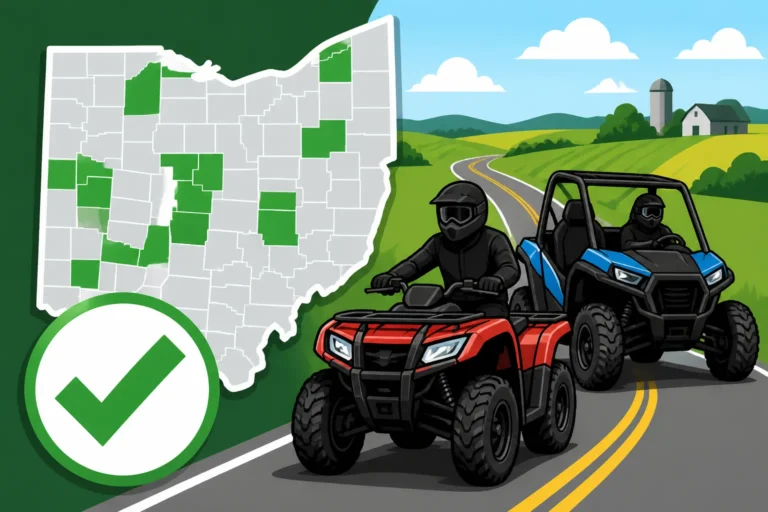
Many Ohio counties and townships have passed resolutions to open certain roads to APV traffic. This is awesome for connecting trails or just enjoying a scenic ride. However, the requirement for eye protection doesn't magically disappear when you transition from a dusty trail to a paved or gravel road. Whether you're riding through [Washington County Resolution 2024-1114] or a local township road, the same rules apply. The speeds might be different, and the hazards might shift slightly (less mud, more vehicle traffic), but the risk of wind, debris, or even glare affecting your vision remains. Don't forget, [Ohio Helmet Law for APV Riders] also applies in certain situations, often complementing eye protection for overall head safety.
Riding on Private Land and Agricultural Use
Even if you're riding on your own property, or with explicit permission on someone else's private land, the Ohio Revised Code still specifies the need for eye protection when operating an APV. While enforcement might be less frequent on private property compared to public trails, the safety aspect remains paramount. A farming operation might involve an APV for tasks around the land; even then, a flying piece of crop debris or kicked-up dirt could cause an issue. It’s about personal safety, and the law reflects that. Don't let your guard down just because you're familiar with the terrain or you own the land. Your eyes are too valuable to risk.
Choosing the Right Eye Protection and Best Practices
Selecting the right gear is more than just grabbing the first pair of goggles you see. It involves considering fit, comfort, durability, and how well it integrates with your other safety equipment. Think of your eye protection as an essential part of your riding kit, just like your helmet and boots.
Factors to Consider When Buying Eye Protection
When you're shopping for new eye protection, keep these points in mind:
- Fit and Comfort: This is crucial. Goggles or glasses that pinch, rub, or constantly slip will distract you and make for an unpleasant ride. Try them on with your helmet to ensure a seamless fit, especially around the helmet's eye port. A wide, adjustable strap on goggles helps them stay secure.
- Ventilation and Anti-Fog: Fogging is the enemy of clear vision. Look for goggles with good ventilation channels and anti-fog coatings. Some higher-end options even have small fans to circulate air. For glasses, ensure good airflow to prevent sweat buildup and fogging.
- Lens Material and Tint: Polycarbonate lenses are standard for their impact resistance. For tints, clear lenses are best for low-light or night riding. Smoked or tinted lenses are great for bright, sunny days, reducing glare and eye strain. Photochromic lenses that adjust to light conditions offer the best of both worlds, though they come at a higher cost.
- UV Protection: Always choose lenses that block 100% of harmful UV rays. This protects your eyes from long-term sun damage.
- Durability: Your eye protection will take a beating. Look for robust frames, scratch-resistant lenses, and tear-off or roll-off systems for extremely muddy conditions if you plan on pushing your limits.
Here’s a quick comparison of common eye protection types:
| Feature | Riding Goggles | Safety Glasses (Wrap-around) | Full-Face Helmet with Visor |
|---|---|---|---|
| Coverage | Excellent (sealed) | Good (side protection) | Excellent (integrated) |
| Debris Protection | High (dust, mud, impacts) | Moderate (impacts, larger debris) | High (wind, insects, some impacts) |
| Anti-Fog Options | Common, ventilation | Less common, depends on design | Common, often ventilating |
| Fit with Helmets | Designed for off-road helmets | Can be worn with most helmets | Part of the helmet itself |
| Visibility | Wide field of vision, can distort edges | Clear, but may have gaps on sides | Very clear, may fog in humidity |
| Cost Range | Mid to High | Low to Mid | Mid to High |
Maintenance and Replacement of Eye Protection
Just like any other piece of gear, your eye protection needs care. Regularly clean lenses with appropriate cleaners and soft cloths to avoid scratches, which can impair vision. Check straps, frames, and foam for wear and tear. If lenses become heavily scratched, or if the frame is damaged, it's time for a replacement. Compromised eye protection is no protection at all.
Remember, the goal is always safety and compliance. A quality pair of goggles or safety glasses that fits well, offers good visibility, and can withstand the rigors of off-road riding is an investment in your safety. Don't cut corners when it comes to protecting your eyes. They're your window to the incredible riding experiences Ohio has to offer.
Disclaimer
This article is for general informational purposes only and does not constitute professional advice. Laws, prices and regulations vary by location and change over time. Consult a qualified professional for guidance on your specific situation.