The Yearly Cost of Riding in Ohio
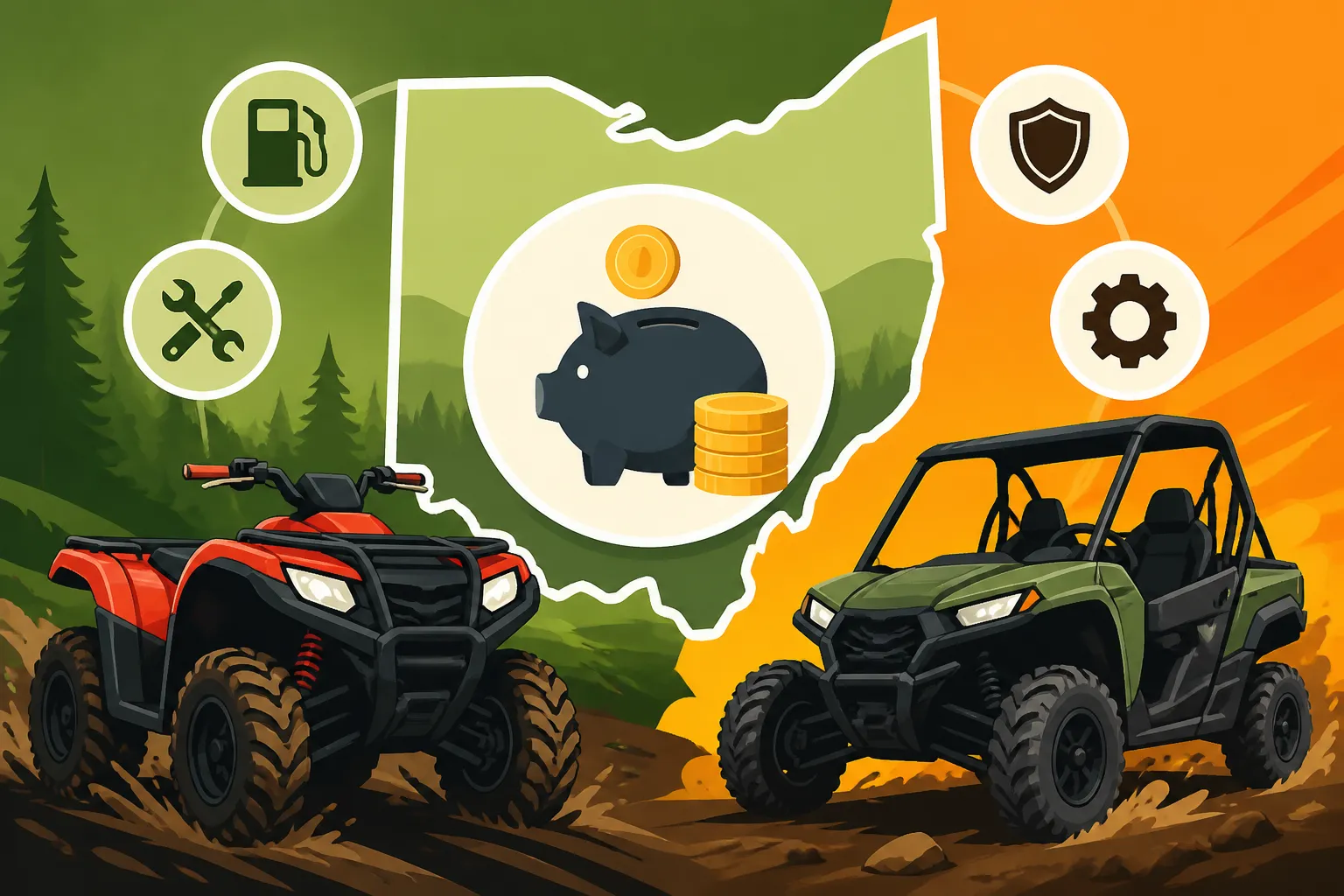
The yearly cost of riding in Ohio can be hard to pin down because a machine’s registration is only one part of the budget. Trail access, fuel, upkeep, insurance, transport and storage can add up differently for every rider. This guide breaks those costs into useful categories, explains which expenses recur and offers a simple way to build a realistic season budget.
Start With the Costs You Will Actually Pay
A useful budget separates the cost of owning a machine from the cost of riding it. Some expenses show up whether you ride every weekend or leave the ATV parked. Others rise with mileage, trail days or the kind of terrain you choose.
For a first estimate, group costs into four buckets:
- Recurring ownership costs: registration, insurance if you carry it, storage and any loan payment.
- Ride-day costs: fuel, trail access where required, meals and other trip expenses.
- Maintenance and repair: routine service, wear parts and unexpected fixes.
- One-time or occasional costs: purchase taxes, gear, a trailer, accessories and major repairs.
The distinction matters. A helmet or trailer may be a significant purchase, but it is not a cost you pay every riding season. By contrast, fuel and consumable parts are recurring expenses, and they usually depend on how much and where you ride.
Before estimating, decide what you mean by “yearly cost.” A cash budget counts money you expect to spend during the next 12 months. A true ownership budget also sets aside money for future expenses, such as replacing tires or repairing a trailer, even if you do not expect to pay for them this year. The second approach is more useful for deciding whether a machine fits your long-term budget.
| Cost category | When it usually applies | What makes it change |
|---|---|---|
| Ohio registration | At renewal intervals, not necessarily every year | Machine status and current state requirements |
| Forest or park access | Each visit, pass period or rider, depending on the property | Destination, number of visits and current access rules |
| Fuel | As you ride and transport the machine | Distance, machine, terrain and fuel prices |
| Maintenance | Scheduled service and as parts wear | Use, mud, dust, water, storage and care |
| Insurance | If you choose coverage or it is required for your use | Coverage, machine, location and insurer |
| Trailer and towing | When you haul the machine | Existing equipment, distance and tow vehicle |
| Storage | When you need space or pay for a facility | Home setup, climate protection and security |
| Purchase and financing | During acquisition and the loan term | Price, taxes, trade-in, loan terms and down payment |
A practical estimate starts with the expenses you know, then adds a reserve for the ones you cannot predict. It is usually a mistake to budget only for registration and fuel. A machine that sees wet, muddy trails may need more cleaning and maintenance than one used occasionally on dry ground. A rider who lives close to a trailhead may spend much less on towing than someone who hauls several hours each way.
The goal is not to guess a single universal number. It is to identify the costs that apply to your riding plan and calculate them using your own machine, routes and frequency.
Registration, Trail Access and Other Ohio Requirements
Ohio APV registration is a recurring ownership expense, but it is not billed in the same way as a monthly utility or an annual insurance policy. Ohio registration uses a multi-year cycle, so convert the current renewal cost into a yearly budget amount rather than treating the full payment as an ordinary annual bill. For the cycle and its timing, see Ohio’s Three-Year Registration Cycle and What an Ohio Rider Pays Every Third Year.
The yearly equivalent is straightforward:
Current renewal total ÷ number of years in the registration period = annual budget allowance
Use the total you actually expect to pay at renewal, including applicable counter charges. Fees and requirements can change, so check current information before you set aside a final amount. Ohio APV Registration Cost explains the registration expense, while The $3.50 Deputy Registrar Fee on Top covers why the counter total may include a service charge.
Registration is not the only possible cost of access. Different riding areas can have different rules. A machine registered in Ohio may be able to use particular public riding areas under the relevant requirements, but do not assume that one plate covers every place you want to visit. A trail system may require a separate pass, and private parks set their own admission and operating rules.
Include Wayne National Forest access separately
If your plan includes riding in Wayne National Forest, budget for its OHV access pass as a separate line from Ohio registration. Check the current pass options and requirements before traveling; the right option depends on how often you visit and who in your group will ride. The registration plate and a national forest pass serve different purposes, so do not treat one as a substitute for the other. See Wayne Forest Pass Cost per Year and Why the Ohio Plate Is the Trail Permit.
This is a common budgeting error for riders who mix state forest and national forest trips. Estimate the number of visits you expect, then compare the access options that apply to those visits. If you ride with other adults, check whether the pass requirement is individual rather than assuming that one rider’s pass covers everyone. Confirm the current rule with the managing agency before you load the machines.
Check access rules before paying for a trip
A trip can cost more than expected if the route or riding area is not open to your machine. Confirm current trail status, machine-width limits, season dates, operating hours and access requirements before setting out. A machine that is too wide for a trail system may force you to choose a different destination, which can add transport time and fuel costs. Ohio Trail Conditions Before You Ride and Ohio’s 62-Inch State Forest Width Limit can help you identify details to check.
Also distinguish public trail access from riding on roads. Road access depends on applicable law and local decisions; an Ohio registration plate does not by itself make every road open to an ATV or UTV. If a ride includes road use, check the local rules and any equipment, licensing and insurance requirements. Related details are covered in Street Legal APVs in Ohio: The Short Answer and Ohio APV Insurance Requirements.
When estimating access costs, write down each destination separately. A season that includes state forest rides, Wayne National Forest visits and private-park days may involve several different cost structures. Counting only one pass or fee can leave a large gap in the budget.
Fuel, Transport and the Cost of Getting to the Trail
Fuel is often the most visible ride-day expense, but it has two parts: fuel for the machine and fuel for getting the machine to the riding area. For some riders, towing uses more fuel over the season than the ATV itself. Keep those amounts separate so you can see what is driving the total.
To estimate machine fuel, use your own riding pattern rather than a general figure for all ATVs or UTVs. Consumption varies with the machine, load, riding style, terrain and conditions. A slow technical trail, deep mud and frequent climbs can use fuel differently from a steady ride on easier ground. If you have not tracked consumption yet, record what you add before and after several rides and use that as a starting estimate.
A simple calculation is:
Fuel used per typical ride × expected ride days × your current fuel price
For trailering, estimate round-trip distance, tow-vehicle fuel use and the number of trips. If you travel with a group in one vehicle, split the transport expense fairly rather than assigning the whole cost to each machine. If several riders make separate trips, the transport budget can climb quickly even when each ride day looks inexpensive. Ohio ATV Fuel Costs for a Season has more on organizing a fuel estimate.
Account for tires, tie-downs and tow-vehicle wear
A trailer brings costs beyond the initial purchase. Tires, lights, bearings, straps and repairs all need attention. The tow vehicle also has operating costs, and frequent hauling can add wear that is easy to overlook. Riders who already own a suitable trailer and tow vehicle still benefit from budgeting for maintenance rather than treating the equipment as free.
If you are deciding whether to buy a trailer, include the purchase and setup in a separate one-time or financing category. For ongoing costs, divide expected maintenance and replacement expenses across the years you expect to use it. The right method depends on whether you want a cash-flow budget for this year or a fuller ownership estimate. See [Ohio ATV Trailer Costs] and What Size Trailer a Single Quad Needs for related planning.
Before a trip, check that the trailer is suitable for the machine’s size and weight, that the machine is secured properly, and that the tow vehicle is equipped for the load. A breakdown or damaged tie-down can turn a low-cost outing into a costly problem. A pre-trip check is not a guarantee against repairs, but it can catch obvious issues before they become roadside ones.
Build a repeatable ride-day estimate
For each destination, make a short trip estimate that includes:
- Round-trip driving distance.
- Approximate machine fuel for the ride.
- Any trail pass or park admission that applies.
- Food, lodging or camping if the trip needs them.
- A small allowance for incidental costs.
Then multiply by the number of visits you expect. Do not assume every outing costs the same. A nearby day ride and a weekend trip that requires lodging should be separate entries.
If your ride schedule is uncertain, use three scenarios: a light season, a typical season and a busy season. This is more realistic than choosing a single number based on an ideal plan. It also shows how quickly fuel and access costs rise when you add another trip each month.
Maintenance, Repairs and Replacement Parts
Maintenance is one of the hardest expenses to predict because use and conditions matter so much. A machine ridden occasionally on relatively dry trails will not necessarily need the same attention as one used in heavy mud, water, dust or steep terrain. The most useful budget is based on the manufacturer’s maintenance schedule, your own riding conditions and the machine’s service history.
Include routine items such as oil and filter service, air-filter care, brake inspection, belt checks where applicable, battery care and general inspection. The exact work and intervals vary by machine, so follow its manual rather than applying a generic schedule to every ATV and UTV.
Then account for wear parts. Tires, brake pads, belts, bearings and other components do not wear at the same rate for every rider. A long season, aggressive riding, heavy loads, deep mud and poor cleaning habits can all shorten service life. Set aside money over time for these parts even if they do not need replacement during the next few months.
A maintenance reserve can be calculated like this:
Expected annual service and wear-part spending + a repair allowance = yearly maintenance budget
Use receipts and service notes to improve the estimate after each season. Record the date, work completed, parts used and the type of riding. That history makes next year’s budget more useful than a guess based on another rider’s machine.
Mud and water can change the maintenance picture
Mud is not just a cleaning issue. It can conceal damage, load the air filter, obstruct cooling and make it harder to inspect important parts. Water crossings can create additional concerns if water reaches places it should not. A post-ride check and cleaning routine can help you spot problems early, although cleaning itself takes time and may require supplies or equipment.
If you ride in muddy conditions often, include cleaning supplies and replacement items in the budget. Do not assume a snorkel or other modification removes the need for careful inspection. Modifications can have their own installation, maintenance and repair costs, and should be evaluated for the machine and intended use.
For a detailed breakdown of recurring service items, see Ohio ATV Maintenance Costs. If you ride clay, shale or heavily rutted routes, consider how terrain affects tires and suspension parts as well as routine service. Tires for Clay and Shale discusses one part of that decision.
Keep a repair reserve separate from routine service
Routine service can be planned. Breakdowns are less predictable, so a separate repair reserve helps prevent a single failure from disrupting the whole budget. The reserve does not need to predict exactly which part will fail. It is a way to acknowledge that older machines, high-use machines and machines with unknown histories may need work beyond scheduled maintenance.
If you bought used, inspect service records and ask what has already been replaced. A lower purchase price does not necessarily mean a lower first-year cost if tires, brakes or a belt are near the end of their service life. Consider a mechanical inspection before purchase, and include likely near-term work in your acquisition budget rather than disguising it as ordinary annual maintenance. Checking a Used Machine in Ohio and Ohio ATV Repair Shop Rates can help you think through those expenses.
If you do your own work, parts and tools still cost money. Your time may not appear as a cash expense, but it is still part of the practical cost of keeping a machine ready. If you rely on a shop, use current estimates from the repair facility for the work you expect. Shop labor and parts availability can vary, so a generic estimate should not replace a quote for a specific repair.
Insurance, Storage, Gear and Other Ownership Costs
Insurance is not a single standard expense for every Ohio rider. The cost and type of coverage depend on the policy, machine, use and insurer. Some riders carry coverage for theft, damage or liability even when their riding is primarily off-road. Road use can bring additional legal and local requirements, so check the rules that apply to the roads and jurisdictions on your route.
Ask an insurer what a policy covers, what it excludes and whether the machine is covered while transported, stored or used in the places you plan to ride. Do not assume a homeowners or auto policy automatically covers an ATV or UTV in every situation. If you finance a machine, review any coverage expectations connected with the loan and confirm them with the lender and insurer. For a closer look at the factors behind premiums, see Ohio APV Insurance Cost per Year and What an Insurer Asks an Ohio Rider.
Storage is another cost that ranges from nearly invisible to a meaningful monthly expense. A machine stored in a suitable garage may not require a separate facility bill, but it still occupies space and may need a cover, battery care or winter preparation. Paid storage can add a predictable recurring expense. Compare the full year’s storage charge with the cost and convenience of arranging a safe place at home. See Ohio ATV Storage Costs and Storing a Quad in an Ohio Barn.
Budget for riding gear and safety equipment
Protective gear is not usually a yearly replacement purchase, but it should not be omitted from the ownership budget. Helmets, eye protection, gloves, boots and weather-appropriate clothing may need replacement after damage, wear or a change in fit. A growing child may outgrow gear before it wears out. Riders should also check the rules that apply to their riding area and use suitable equipment for the conditions.
Make a gear list for each rider, not just for the machine owner. If family members or guests ride, their equipment needs can affect the budget. Shared gear may not fit properly, and the cost of outfitting multiple riders can be easy to underestimate in the first season.
Gear costs are different from trail costs. Buying a helmet does not grant access to a riding area, and a trail pass does not replace required protective equipment. Keep those line items separate so you can see what is a one-time setup expense and what recurs as equipment wears.
Count accessories only when they solve a real need
Winches, plows, racks, lighting, tires and other upgrades can add to the cost of owning a machine. Some accessories are useful for a particular job or riding style; others are optional. Before buying, consider whether the item is necessary for your planned terrain, whether it changes maintenance needs and whether it affects access to the riding areas you want to use.
For example, a wide machine or accessory setup can make some trails unsuitable. A modification can also add weight or create new maintenance requirements. Include the purchase price and installation in your setup budget, then consider any recurring costs. Do not treat upgrades as mandatory annual expenses unless they genuinely need regular replacement or service.
If you are weighing a winch, plow or other attachment, compare the cost with the work it will do and the conditions where you ride. Ohio ATV Winch Costs and Ohio ATV Plow Costs provide related considerations. Brand selection can wait until you have a clear specification and budget; for any product, confirm fitment and suitability for your exact machine before buying.
A Practical Way to Build Your Annual Budget
A good budget is specific enough to guide a decision but simple enough to maintain. Start with your intended riding season, not with a generic average. Write down where you expect to ride, how often you will go, whether you will trailer and who will ride. Then add the cost categories that match those plans.
Use this sequence:
- List fixed costs. Include the annualized share of registration, insurance if applicable, storage and any loan payment.
- List access costs. Add the passes or admissions required at each destination, using current requirements.
- Estimate trip costs. Calculate machine fuel, towing fuel and other predictable costs for a typical visit.
- Estimate maintenance. Use the owner’s manual, service history and expected wear parts.
- Add a repair reserve. Keep it separate from scheduled maintenance.
- Add setup or replacement gear. Include only equipment you expect to buy or replace in the period.
- Check the total against several riding schedules. Compare a light, typical and busy season.
A worksheet can look like this:
| Budget line | Your estimate | How to work it out |
|---|---|---|
| Registration allowance | Divide the current renewal total across its registration period | |
| Insurance | Use a quote for your machine and intended use | |
| Storage | Add paid storage or an allowance for home storage needs | |
| Access and passes | Add each riding area’s current requirements | |
| Machine fuel | Typical fuel use per ride multiplied by planned ride days | |
| Tow-vehicle fuel | Round-trip hauling expense multiplied by planned trips | |
| Routine service | Follow the machine’s schedule and actual service history | |
| Wear parts | Estimate tires, brakes, belt and other likely replacements | |
| Repair reserve | Set aside an amount suited to machine age and condition | |
| Gear and accessories | Include planned purchases and likely replacements | |
| Other trip expenses | Add meals, lodging or camping when relevant | |
| Total | Add the applicable lines |
The worksheet is a planning tool, not a quote. Use current figures from the relevant agency, insurer, dealer, repair shop or storage provider wherever a cost depends on a current rate. When a cost is uncertain, make the assumption visible. For example, note whether a fuel estimate assumes four trips or ten, or whether maintenance includes shop labor.
Separate first-year setup from an ordinary season
Your first year may cost substantially more than later years because you may be buying the machine, paying purchase-related taxes, acquiring gear, adding a trailer or making repairs identified after purchase. Keep these first-year costs in a separate column. Otherwise, the setup total can make a normal riding season look more expensive than it is, or the low recurring total can hide the initial cash needed to begin.
Purchase tax and title expenses are not annual riding costs, but they still affect affordability. Financing adds another recurring payment, and interest means the total paid over the loan can differ from the cash price. Check the terms with the lender and account for the payment in your monthly budget. See Ohio Sales Tax on an APV Purchase, What an Ohio APV Title Costs and Financing an ATV in Ohio for related topics.
Use actual records to improve the next estimate
After each ride, note the destination, distance, fuel, access cost and any maintenance performed. At the end of the season, compare actual spending with the original plan. This does not need to be a complicated accounting system. A simple note or spreadsheet can show whether transport, repairs or access fees were the biggest surprises.
Use that record to adjust the next season’s plan. If you rode fewer days than expected, reduce variable costs rather than fixed expenses. If the machine needed a major repair, decide whether that was a one-time issue or a sign that the regular reserve needs to be larger. If you bought an annual pass but used it only once, compare the pass choice with your actual trip pattern.
For a broader season-planning approach, see Budgeting an Ohio Riding Season. The key is to budget for the riding you are likely to do, not the maximum number of trips you hope to fit into the calendar.
Ways to Keep Costs Under Control Without Cutting Corners
The most effective savings usually come from planning and maintenance, not from skipping requirements or delaying important repairs. Riding with an expired registration, using an access pass incorrectly or taking a machine onto a closed route can create avoidable legal and financial trouble. Check the current rules before each season, especially if your plans involve a new trail system or road.
Plan destinations around the machine you own. A suitable, nearby riding area can cost less than a distant trip that requires a long tow and overnight stay. Confirm trail openings and conditions before leaving; arriving at a closure can waste the trip’s transport and lodging costs. If you ride several times in one area, compare the current access options against your expected visits rather than choosing a pass by habit.
Keep the machine clean and inspect it after demanding rides. Regular attention can help identify a loose fastener, damaged tire or clogged filter before it becomes a larger problem. Follow the manufacturer’s maintenance instructions and use parts appropriate for the machine. Cutting service short may save money briefly but can lead to expensive failures.
Buy accessories with a specific use in mind. A low-cost part that does not fit correctly, is not durable enough or limits trail access can become a poor purchase. Confirm compatibility, installation needs and any effect on the machine’s width or operation. For essential safety equipment, prioritize fit and suitability over choosing solely by price.
Share transport when practical, but agree in advance on how to divide fuel and other trip expenses. If friends travel together, one shared trip can reduce duplicated towing costs. Do not overload a trailer or tow vehicle to save a trip; stay within the equipment’s limits and secure each machine correctly.
Finally, set aside money regularly for registration, maintenance and repairs. A small reserve built over time is easier to manage than facing a full renewal or a major service bill with no savings in place. The right amount depends on your machine and use, but the habit makes annual costs more predictable.
Frequently Asked Questions
Is Ohio ATV registration an annual expense?
Ohio registration follows a multi-year cycle, so the payment is not necessarily due every year. For budgeting, divide the current renewal total across the registration period and set aside that yearly amount. Confirm current fees and renewal timing before paying.
Does an Ohio registration plate cover every trail fee?
No. Registration and a riding-area pass can serve different purposes. Check the rules for each place you plan to ride, including Wayne National Forest and private parks, and confirm whether passes apply per rider or by another method.
What usually makes a season more expensive?
Frequent long-distance trips, towing, private-park visits, heavy use, repairs, new gear and paid storage can all raise costs. A used machine that needs immediate work may also have a more expensive first year than its purchase price suggests.
How should I budget for repairs?
Keep routine maintenance and unexpected repairs in separate lines. Use the machine’s service schedule and history to estimate planned work, then set aside an additional reserve based on its age, condition and riding conditions.
Are costs different for an ATV and a UTV?
They can be. Fuel use, maintenance, tires, transport requirements, insurance and equipment needs vary by machine. Use estimates for the specific ATV or UTV rather than assuming that one budget fits both.
Disclaimer
This article is for general informational purposes only and does not constitute professional advice. Laws, prices and regulations vary by location and change over time. Consult a qualified professional for guidance on your specific situation.