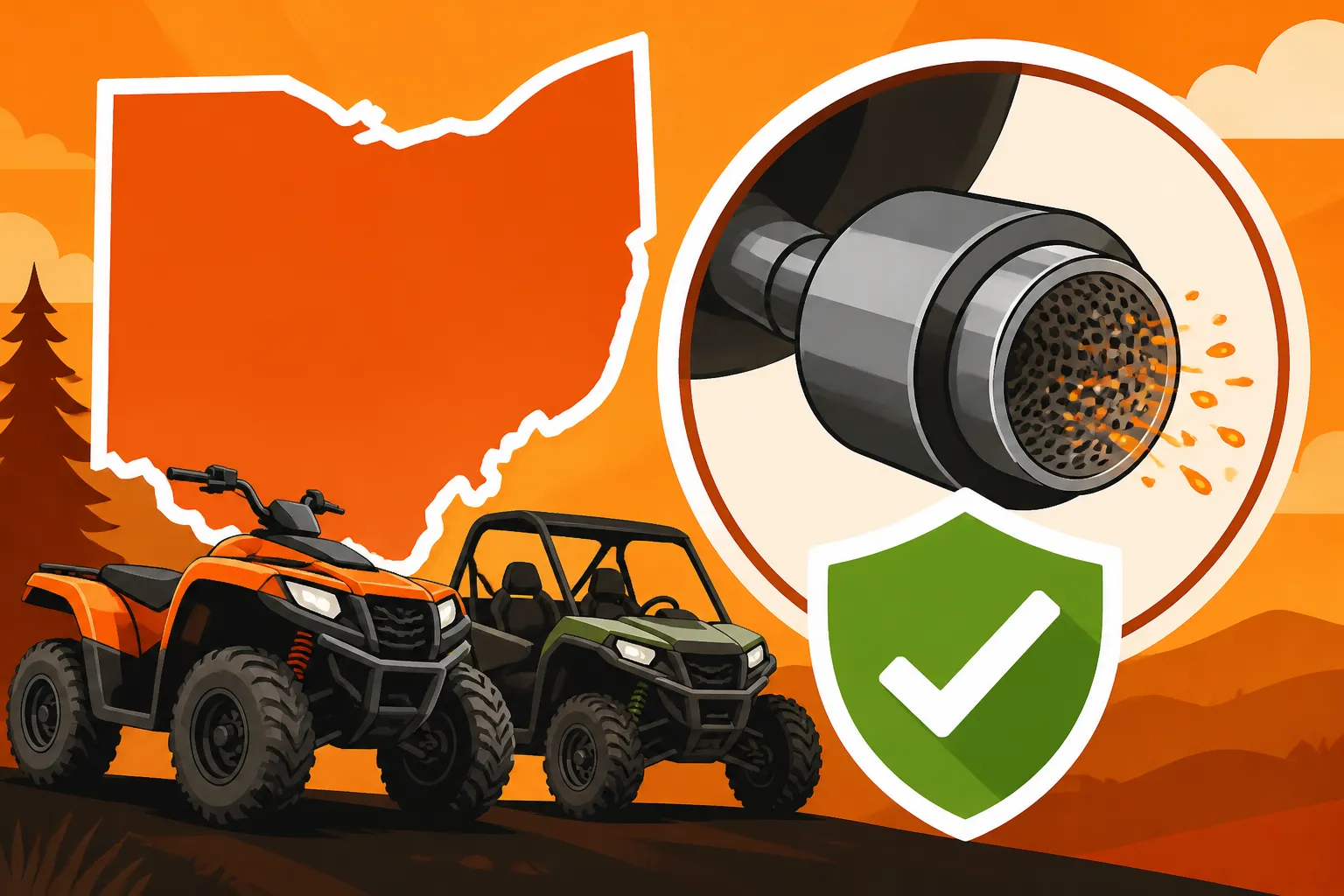
Ohio Spark Arrester Requirement
One of the trickiest parts of enjoying your ATV or UTV in Ohio is keeping up with all the rules and regulations, especially when it comes to the equipment on your machine. Many riders find themselves scratching their heads over what's truly required versus what's just a good idea, and the spark arrester is a prime example of something that causes a lot of confusion. This guide will help you understand Ohio's specific requirements for spark arresters on your all-purpose vehicle, ensuring you stay compliant and safe on the trails and beyond.
What is a Spark Arrester and Why Ohio Cares So Much
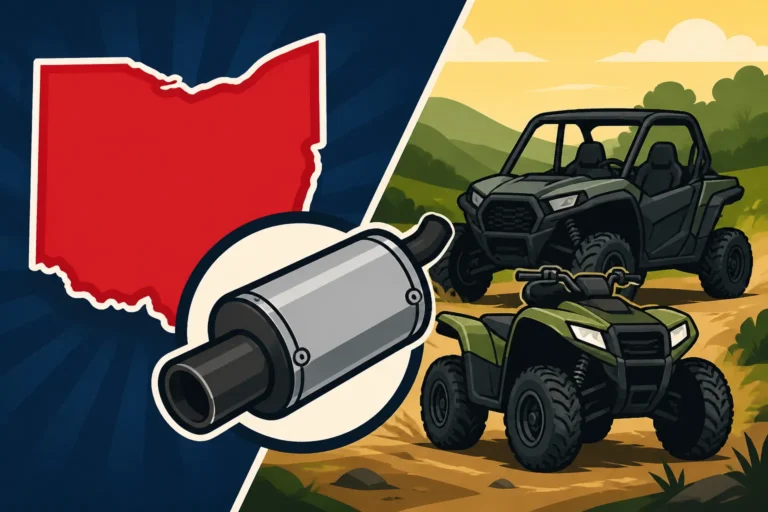
Before we dive into the specific rules, let's get a clear picture of what a spark arrester actually is. In simple terms, it's a device fitted to the exhaust system of an internal combustion engine, designed to prevent the emission of flammable debris like sparks. While it might sound like a minor detail, it plays a massive role in fire prevention, especially in the dry conditions often found on Ohio's scenic trails.
The Science Behind the Spark
Think about how an engine works. Inside your ATV or UTV's engine, fuel and air mix, ignite, and create a controlled explosion that drives your pistons. While most of the combustion happens cleanly, tiny, super-heated carbon particles can break away from the combustion process. These incandescent particles, essentially mini-embers, are then expelled through the exhaust pipe along with the exhaust gases. Without a spark arrester, these hot embers can easily fly out of your muffler, land on dry leaves, grass, or other flammable materials, and quickly ignite a wildfire. It's a silent threat, often unseen by the rider, but with potentially devastating consequences for our beautiful natural areas.
Fire Prevention: Ohio's Top Concern
Ohio's state forests and national forests are cherished spaces for recreation, wildlife, and natural beauty. Protecting these areas from wildfires is a paramount concern for agencies like the Ohio Department of Natural Resources (ODNR) and the U.S. Forest Service. A single spark from an improperly equipped ATV or UTV can ruin acres of forest, destroy wildlife habitats, and even threaten nearby communities. Because of this very real danger, the requirement for a functional spark arrester isn't just a bureaucratic hoop to jump through; it's a critical safety measure designed to protect the very landscapes we love to ride in. When you pull up to a trailhead in [Monday Creek Near Nelsonville] or prepare for a ride in Hanging Rock, having that spark arrester means you’re doing your part to keep those woods green.
Environmental Responsibility and Trail Access
Beyond immediate fire prevention, adhering to spark arrester requirements is also a matter of environmental responsibility. Wildfires release significant amounts of carbon dioxide and other pollutants into the atmosphere, impacting air quality and contributing to climate concerns. Furthermore, the damage caused by fires can lead to trail closures and restrictions, limiting everyone's access to favorite riding spots. Imagine a popular trail system like those in Wayne National Forest being shut down for months, or even permanently, due to a preventable fire. It's a nightmare scenario that agencies work hard to avoid, and rider compliance with rules like the spark arrester requirement is a key part of that effort. It's about respecting the environment and ensuring future generations can also enjoy Ohio's incredible outdoor opportunities.
Where Ohio Requires a Spark Arrester
Understanding why spark arresters are important is one thing, but knowing where they are legally required for your ATV or UTV in Ohio is crucial for responsible riding. The rules aren't universally applied to every piece of private land, but they certainly kick in when you venture onto public property.
State Forest and National Forest Trails
This is the big one, folks, and where you absolutely cannot skip the spark arrester. If you plan to ride your ATV or UTV on any of Ohio's designated state forest APV trails – places like Maumee State Forest, Perry State Forest, Pike State Forest, or Richland Furnace State Forest – or within the Wayne National Forest, a U.S. Forest Service approved spark arrester is not just recommended, it's mandatory. These are the areas most susceptible to widespread fire damage from off-road vehicle use, and the regulations are strictly enforced. You can expect park rangers, forest officers, or even state troopers to perform checks at trailheads or during patrols. Not having a compliant spark arrester in these areas can lead to significant fines and immediate removal from the trail system. Before you even load your machine for a trip to [Monday Creek's 75 Miles] or [Hanging Rock's 26 Miles], double-check this critical piece of equipment.
Riding on Public Roads and Private Land
When it comes to public roads where APV use is permitted, the spark arrester requirement is typically tied to the broader exhaust system rules for motor vehicles. While specific Ohio statutes might not explicitly call out "spark arrester" for road use in the same way they do for forest trails, your vehicle is expected to have a muffler that is in good working order and prevents excessive noise and emissions of flame or sparks. If your machine is approved for limited road use in an Ohio township or county that has opened its roads, ensuring your exhaust system is fully functional and free of defects that could cause sparks is still a smart move, even if not explicitly defined by a separate "spark arrester" rule in that context. Remember that different rules apply on different road types, as explored in articles like [How an Ohio Township Opens Its Roads] and [Ohio Rules for Riding a County Road].
Now, for private land, the rules shift dramatically. If you're riding exclusively on your own property or on private land with express permission from the landowner, Ohio law generally doesn't mandate a spark arrester. However, this doesn't mean it's a good idea to skip it. A fire started on private land can quickly spread to adjacent properties or public lands, leading to immense liability for you. Many experienced riders will tell you that a spark arrester is a wise investment regardless of where you ride, simply for the peace of mind and protection it offers. Landowners, for example, might still require you to have one as a condition of riding on their property.
How to Ensure Your Machine Complies
So, you understand the importance of a spark arrester and where it's required. Now, how do you make sure your ATV or UTV is up to snuff? It’s usually a pretty straightforward process, whether your machine came with one from the factory or you need to add one yourself.
Checking for a Factory-Installed Arrester
Most modern ATVs and UTVs come from the manufacturer with a spark arrester integrated into the muffler or exhaust system. This is especially true for machines designed to be sold and ridden in areas with public land access. To verify if your machine has one, look for specific markings on the muffler itself. You'll often see a stamp or label that says "USFS Approved," "Spark Arrester," or a specific part number indicating its compliance. Sometimes, it might be a small screen or baffle inside the exhaust tip that's not immediately obvious.
It’s always a good idea to consult your owner's manual; it will clearly state whether your exhaust system includes a spark arrester and often provides instructions for inspection and maintenance. If you bought your machine used, especially an older model, a quick check of the muffler for these markings is essential. Don't just assume it's there; take a look and be certain. This is part of the important [Ohio APV Equipment Rules Explained].
Aftermarket Options and Installation
If your ATV or UTV doesn't have a factory-installed spark arrester, or if you've replaced your stock exhaust with an aftermarket system that doesn't include one, you'll need to install a compliant spark arrester. The good news is that there are plenty of options available. Many reputable aftermarket companies produce universal spark arresters that can be fitted to various exhaust systems, or direct-fit replacement mufflers that already incorporate a spark arrester.
When choosing an aftermarket spark arrester, always look for products that are "USFS Approved" (U.S. Forest Service Approved). This certification means the device has been tested and meets stringent federal standards for fire prevention. Brands like SuperATV offer a range of exhaust systems and accessories, and if you’re looking at their products, make sure to confirm that any exhaust component you buy includes a USFS-approved spark arrester if you intend to ride on public lands. Installation often involves simply clamping the arrester onto the end of your muffler or replacing the exhaust tip, though some might require a bit more work. If you're not comfortable doing it yourself, any qualified ATV/UTV mechanic can typically handle the installation quickly and efficiently.
Regular Maintenance and Inspection
Having a spark arrester isn't a one-and-done deal. Like any other component on your ATV or UTV, it requires regular maintenance and inspection to ensure it remains effective. Over time, carbon buildup can clog the screen or baffle of a spark arrester, reducing its effectiveness and potentially restricting exhaust flow, which can impact your machine's performance.
Check your spark arrester periodically, especially after several rides or before a big trip to a state or national forest. Your owner's manual will provide specific cleaning instructions, but generally, it involves removing the arrester (if it's a removable screen) and cleaning out any carbon deposits with a wire brush or scraper. Replace any damaged or corroded spark arrester screens immediately. A damaged screen can allow sparks to escape just as easily as having no arrester at all. Keeping up with this small maintenance task can save you from a potential fire, a citation, and ensures you're always ready for your next adventure, whether you're riding [Ohio's Four State Forest APV Areas] or enjoying a weekend in Wayne National Forest.
What Happens If You Don't Comply?
Riding without a required spark arrester isn't just a minor oversight; it's a violation of regulations designed to protect our natural resources and public safety. The consequences can range from immediate inconvenience to significant financial penalties.
On-the-Spot Checks by Law Enforcement
When you're out on public trails, especially in state or national forests, it's not uncommon for park rangers, forest service officers, or even local law enforcement to conduct routine checks. They are trained to look for various safety compliances, and a spark arrester is definitely on their checklist. These checks might happen at staging areas, trailheads, or even during a patrol on the trail itself. An officer might simply ask to visually inspect your exhaust or, in some cases, might use a specific tool to check for the presence and integrity of the spark arrester screen. If your machine's exhaust sounds particularly loud, or if you're riding in a very dry area, you might draw extra attention. They are looking to enforce rules like the [Ohio Spark Arrester Rules for Trails] to keep everyone safe.
Fines and Penalties
If you're caught riding on public land without a USFS-approved and functional spark arrester, you're likely facing a citation. The specific fine amount can vary depending on the jurisdiction (state forest vs. national forest), the discretion of the officer, and whether there are any compounding violations. However, it's safe to say that fines can easily run into the hundreds of dollars. Beyond the monetary penalty, an officer has the authority to issue a "stop order," meaning you would be required to immediately cease riding and remove your ATV or UTV from the trail system. This could mean calling for a tow or having someone with a trailer come to pick you up, effectively ending your day of riding and adding further costs and frustration. These citations are not to be taken lightly, much like a ticket for [Ohio Fines for an Unregistered APV].
The Broader Impact on Riding Access
Beyond the individual penalties, non-compliance with rules like the spark arrester requirement has a broader, negative impact on the entire ATV and UTV riding community. When preventable fires occur due to improperly equipped machines, it creates a black eye for all riders. This can lead to public outcry, increased scrutiny from environmental groups, and ultimately, a push for more restrictive regulations or even the closure of valuable riding areas.
Imagine how frustrating it would be if a local trail system, perhaps one you ride regularly, was shut down because a few riders failed to adhere to basic safety equipment rules. It's a sad reality that the actions of a few can impact the access for many. By ensuring your machine is compliant, including having a proper spark arrester, you're not just protecting yourself from fines and liability; you're also doing your part to preserve and expand access to Ohio's fantastic off-road riding opportunities for everyone. Organizations like SuperATV understand this commitment to responsible riding, which is why they produce equipment that helps riders stay compliant and enjoy the outdoors safely.
Remember, whether you're heading to the [Wayne National Forest's Three Ohio Systems] or exploring other permissible areas, taking the time to verify your spark arrester is a small effort that yields big rewards in safety and peace of mind.
Disclaimer
This article is for general informational purposes only and does not constitute professional advice. Laws, prices and regulations vary by location and change over time. Consult a qualified professional for guidance on your specific situation.