Bringing a Machine From West Virginia
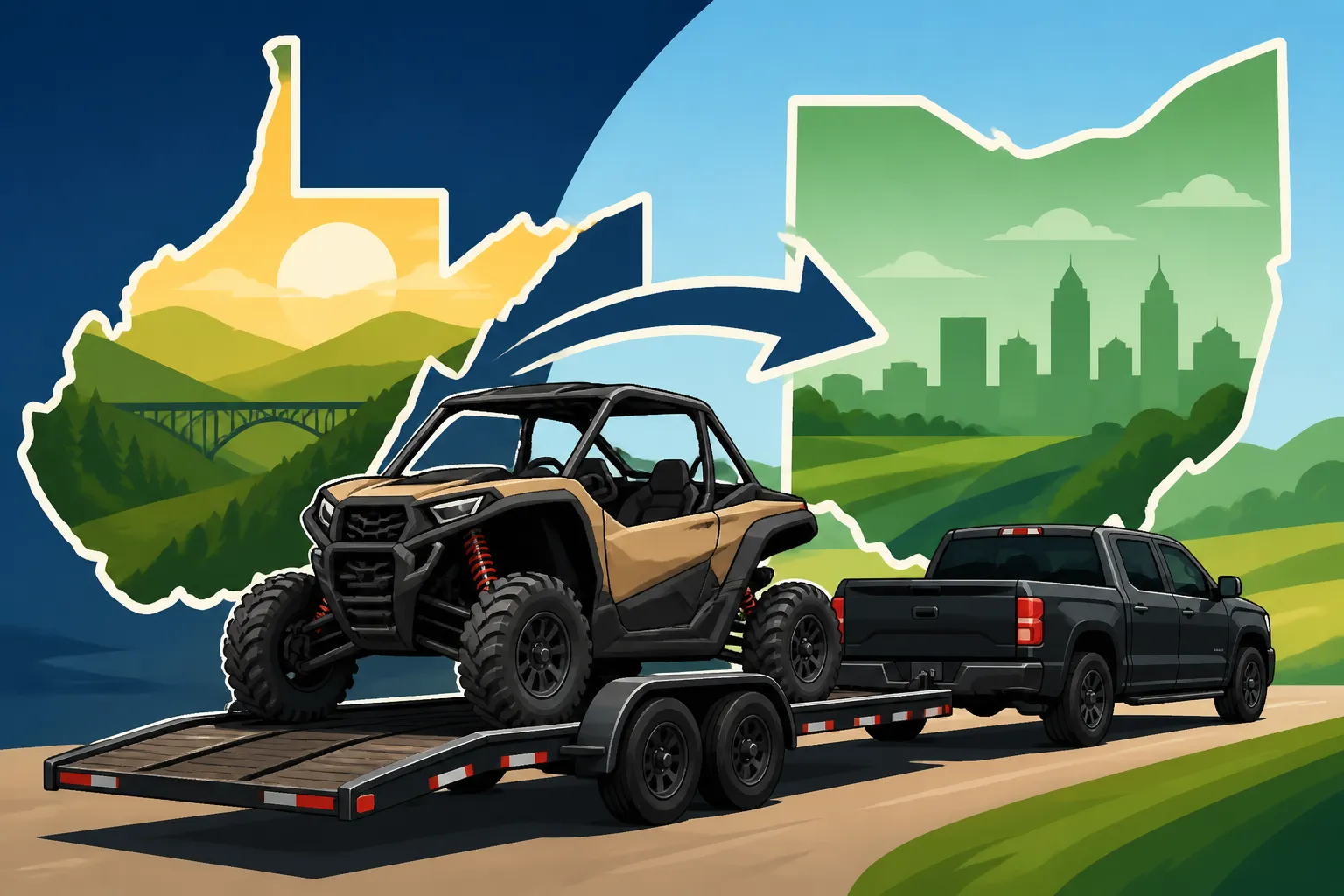
Bringing an ATV or UTV into Ohio from West Virginia can feel like navigating a maze, especially with different state laws for what are essentially the same machines. You've got your quad or side-by-side, you're ready to hit the trails, but you need to make sure you're doing everything by the book in your new state. This guide will walk you through the precise steps for titling and registering your West Virginia-bought or previously registered machine here in Ohio, helping you avoid headaches and potential fines.
Understanding Ohio's APV Laws for Out-of-State Machines
When you bring any kind of off-road vehicle into Ohio, whether it’s an ATV, a dirt bike, or a side-by-side, it immediately falls under Ohio’s "All-Purpose Vehicle," or APV, classification. This term encompasses most machines designed for off-highway use. Coming from West Virginia, you might be accustomed to a different system of titling, registration, or even how these vehicles are identified. Ohio has its own specific set of rules, and understanding them is the first critical step to a smooth transition for your machine.
Why Ohio Cares Where Your Machine Comes From
Ohio's Bureau of Motor Vehicles (BMV) and the county Clerk of Courts offices need to establish a clear chain of ownership and ensure that the vehicle meets Ohio's administrative requirements. They're not just being bureaucratic for the fun of it; these processes help prevent theft and ensure that all vehicles operating on public lands or approved roads are properly identified and accounted for. This means if your machine was titled or registered differently in West Virginia, or perhaps not at all depending on its age or type, Ohio will still require it to conform to its current APV regulations. It can be a jarring difference, especially if your machine was simply considered "off-road equipment" with minimal paperwork in your previous state. Ohio’s system aims for comprehensive tracking.
The Initial Hurdles: Title and Proof of Ownership
The biggest hurdle for many folks bringing a machine from West Virginia is often the title. West Virginia has had varying titling requirements for ATVs and UTVs over the years, and it's possible your older machine might not have a formal title if it was purchased there before certain laws came into effect. Ohio, however, generally requires a title for all APVs, even if they're older models.
If you have a West Virginia title in hand, that's fantastic – it significantly streamlines the process. This document is your primary proof of ownership. However, if your machine doesn't have a West Virginia title, you'll need to gather alternative proof. This might include a Certificate of Origin (for a new machine), a detailed bill of sale, or even past registration documents from West Virginia that clearly show you as the owner. Without clear proof of ownership, whether it's a formal title or a combination of other documents, you'll face significant delays. You might be asking yourself, [Do You Need a Title for an ATV in Ohio?] and the short answer is almost always yes, regardless of its previous state's rules.
The Ohio Titling Process for Your West Virginia Machine
Once you understand that Ohio requires a title for nearly all APVs, the next step is to actually get that Ohio title. This is the foundational piece of paperwork you'll need before you can even think about getting a license plate and riding legally. It's a critical process, and it's handled by a different office than where you'll get your plate.
Securing Your Ohio Title: The First Step
Your journey to an Ohio title begins at your local County Clerk of Courts Title Office. This is not the same place as the Deputy Registrar (which handles plates and stickers), and it's a common point of confusion. You'll need to visit the title office in the county where you reside.
Here’s what you generally need to bring:
- Your West Virginia Title (if you have one): This is the ideal scenario. The title must be properly assigned to you if you purchased it from someone else, or already in your name if you're relocating.
- A Bill of Sale: Even if you have a West Virginia title, a bill of sale is excellent supplementary documentation, especially if you bought the machine from a private party. This document should clearly state the buyer, seller, date of sale, purchase price, and a detailed description of the machine including its VIN. If you're looking for a professional-looking and legally sound bill of sale, consider using a service like LawDepot to draft one. They provide templates that can ensure all necessary information is included, which can be invaluable when dealing with an out-of-state transfer.
- Proof of Identity: Your valid driver's license or state ID.
- The Machine's VIN: The Vehicle Identification Number is crucial. Make sure it’s legible and easily accessible on your machine, as the title office staff or a BMV inspector may need to verify it.
- VIN Inspection: For any vehicle coming from out of state, Ohio law requires a physical VIN inspection. This inspection confirms that the VIN on your documents matches the VIN on the machine, and helps ensure the machine isn't stolen. You can usually get this done at most Deputy Registrar offices or some law enforcement agencies. Call ahead to confirm the location and availability of the inspection.
If you don't have a West Virginia title because your machine was purchased before West Virginia required them, or for another legitimate reason, the title office can still help. You'll likely need a combination of a Certificate of Origin (if it's a newer machine and never titled), a detailed bill of sale, and possibly previous West Virginia registration documents. The Clerk of Courts staff will guide you on specific requirements in these less common situations. It's a good idea to call them first to understand the exact path you'll need to take. For a deeper dive into the process, check out [Titling an APV at an Ohio Clerk of Courts].
What to Expect at the Title Office
When you arrive at the County Clerk of Courts Title Office, you'll present your documents. The staff will review everything to ensure it meets Ohio’s requirements. They'll also verify the VIN from your inspection. If all your paperwork is in order, you’ll pay the applicable titling fees. These fees typically cover the cost of issuing the new title. While I can't provide specific dollar amounts, expect a standard fee for the title itself. Keep in mind that there may be additional costs if a VIN inspection fee is separate or if you require expedited services. Always check the current fee schedule directly with your local County Clerk of Courts office. Once everything is processed, you’ll receive your brand-new Ohio Certificate of Title for your APV. This is a crucial document, so keep it in a safe place! [What an Ohio APV Title Costs] is a question many people have, and those costs are fairly consistent statewide.
Registering Your Newly Titled APV in Ohio
After you've successfully obtained your Ohio Certificate of Title for your APV, you're halfway there! The next step is to register your machine and get your actual license plate and validation sticker. This allows you to legally operate your ATV or UTV on designated trails and approved roads in Ohio.
The Ohio Registration: What Comes After Titling
Unlike the titling process, which is handled by the County Clerk of Courts, registration is handled by a Deputy Registrar's office. Think of it this way: the title proves you own the machine, and the registration proves it's allowed to operate on Ohio trails and roads. You can visit any Deputy Registrar location in Ohio, regardless of which county you live in, though most people choose one close to home.
To register your APV, you'll need to bring:
- Your Ohio Certificate of Title: This is absolutely essential. The Deputy Registrar cannot issue a registration without a valid Ohio title in your name.
- Proof of Identity: Your valid driver's license or state ID.
- Applicable Registration Fees: These fees cover the cost of the plate, sticker, and the administrative service charge. Just like with titling, these amounts are set and you'll want to check the current rates at the Deputy Registrar or on the Ohio BMV website.
The Deputy Registrar will process your paperwork, collect the fees, and issue you an Ohio APV license plate along with a validation sticker. This is the moment your West Virginia machine officially becomes an Ohio APV ready for adventure! You can learn more about the specific steps at [Registering an APV at an Ohio Deputy Registrar].
Understanding Ohio's Three-Year Registration Cycle
Ohio has a distinct registration cycle for APVs that often catches newcomers by surprise. Unlike many states that use annual registration, Ohio registers APVs for a three-year period. Your registration will expire on December 31st of the third year from when it was issued. So, if you register your machine in 2024, it will be valid until December 31st, 2026. This longer cycle means less frequent trips to the Deputy Registrar, but it also means a higher upfront cost compared to a single-year registration.
Once you have your plate and sticker, it's important to know where they go. The license plate must be securely attached to the rear of your APV, clearly visible. The validation sticker then gets affixed to the upper left corner of that plate. This setup is specifically designed for APVs and is different from how other vehicles or even snowmobiles are registered in Ohio. You can read more about this unique cycle at [Ohio's Three-Year APV Registration] and get the full details on what you’ll receive at [Ohio APV Plates and Validation Stickers].
Here's a quick comparison of the two main steps for bringing your West Virginia machine to Ohio:
| Step | Office | Purpose | Key Documents (from WV) | Output |
|---|---|---|---|---|
| Titling | County Clerk of Courts Title Office | Establishes legal ownership in Ohio | WV Title (if any), Bill of Sale, Certificate of Origin | Ohio Certificate of Title |
| Registration | Deputy Registrar's Office | Permits legal operation on Ohio trails/roads | Ohio Certificate of Title (from Step 1), ID | Ohio APV Plate and Sticker |
Overcoming Common Pitfalls and Ensuring a Smooth Transition
Even with a clear roadmap, transferring an out-of-state vehicle can present unique challenges. Being prepared for these common scenarios can save you a lot of time and frustration.
Dealing with No West Virginia Title for Older Machines
As mentioned earlier, one of the most frequent issues folks encounter when bringing an ATV or UTV from West Virginia to Ohio is the absence of a formal title from West Virginia, especially for older models. If your machine falls into this category, don't despair – Ohio has a process for it, though it might require a bit more legwork.
In such cases, the Ohio Clerk of Courts Title Office will often rely on other forms of documentation to establish ownership. This could include:
- A Detailed Bill of Sale: This becomes incredibly important. The more information it contains (VIN, make, model, year, names and addresses of buyer and seller, purchase price, date), the stronger your claim of ownership. If you purchased the machine privately, don't just rely on a handwritten note. Services like LawDepot can help you generate a comprehensive bill of sale that holds up to scrutiny.
- Previous West Virginia Registration Records: If you previously registered the machine in West Virginia, even without a title, those registration cards can serve as proof of your prior ownership.
- Affidavits: In some complex cases, you might be asked to provide affidavits swearing to the circumstances of ownership, especially if documentation is scarce.
- VIN Inspection and Confirmation: The physical VIN inspection becomes even more critical here, as it's a primary way Ohio confirms the identity of the machine when no prior title exists.
The key takeaway is that even without a West Virginia title, a clear, unbroken chain of ownership must be established. Be prepared to provide as much documentation as possible to the title office, and don't hesitate to call them first to understand their specific requirements for your situation. To prevent issues, familiarize yourself with [Ohio APV Bill of Sale Requirements].
The Importance of a Solid Bill of Sale
Whether you have a West Virginia title or not, a comprehensive bill of sale is your best friend when transferring ownership, especially for machines bought from private sellers. It's not just a receipt; it's a legal document that proves the transaction occurred and that you are now the rightful owner.
A good bill of sale should include:
- The full legal names and addresses of both the buyer and the seller.
- The date of the sale.
- The purchase price of the APV.
- A complete description of the APV, including make, model, year, and its full Vehicle Identification Number (VIN).
- A statement that the seller is transferring clear title (or ownership if no title exists) to the buyer.
- Signatures of both the buyer and the seller.
Having a robust bill of sale can prevent numerous headaches down the road. It provides a clear record for the Ohio Clerk of Courts, and it offers you a layer of protection should any questions about ownership arise. If you're unsure how to draft one, online legal document services like LawDepot offer customizable templates that can guide you through the process, ensuring all the necessary fields are covered. They can help you create a professional document that meets Ohio's general expectations for proof of sale. This is so important, we have a whole article on [An Ohio Bill of Sale for an APV].
Planning for Out-of-State Purchase vs. Relocation
The process outlined above generally applies whether you're bringing an APV you already owned in West Virginia (relocating) or if you just purchased one in West Virginia and are bringing it to Ohio. The main difference lies in the paperwork you present as proof of ownership:
- Relocating Your Own Machine: You'll typically have the West Virginia title in your name, or a strong history of registration and a bill of sale proving your long-term ownership.
- Purchasing from West Virginia: The West Virginia title (if applicable) should be signed over to you by the previous owner, and you should always have a solid bill of sale from the seller.
In either scenario, the core steps of titling in Ohio first, followed by registration, remain the same. The Ohio BMV's goal is to ensure every APV operating in the state has a clear Ohio title and current registration, regardless of its origin. This clarity helps with everything from law enforcement to trail maintenance funding. You can get more information on the general process of [Registering an Out-of-State Machine in Ohio].
Bringing your ATV or UTV from West Virginia to Ohio doesn't have to be a daunting task. By understanding Ohio's APV classification, knowing where to go for titling and registration, and being prepared with the right documentation—especially a solid bill of sale and clear proof of ownership—you can smoothly transition your machine to its new Ohio home and get ready to enjoy the trails!
Disclaimer
This article is for general informational purposes only and does not constitute professional advice. Laws, prices and regulations vary by location and change over time. Consult a qualified professional for guidance on your specific situation.