Ohio Trail Etiquette on Narrow Trails
Ohio trail etiquette rules explain how to share narrow forest routes safely, protect surfaces, and handle encounters.
The map is not the permission.
National forest and BLM routes, state OHV parks, and club trails crossing private land — with the closures and passes that decide whether today counts.
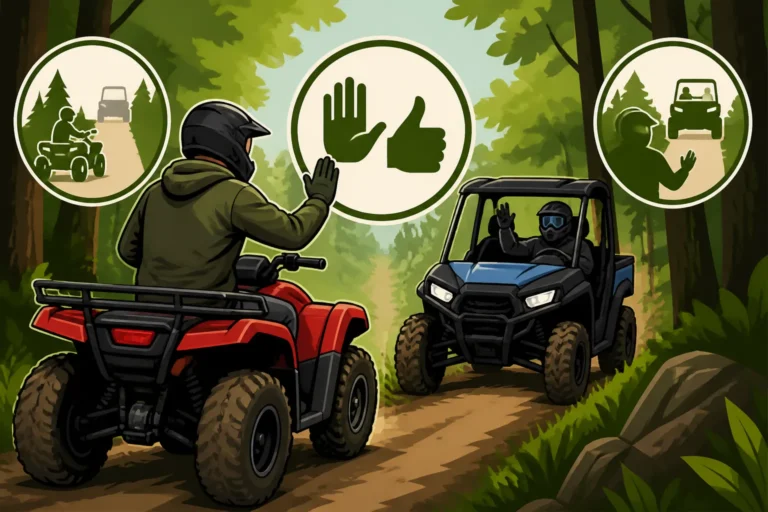
Ohio trail etiquette rules explain how to share narrow forest routes safely, protect surfaces, and handle encounters.
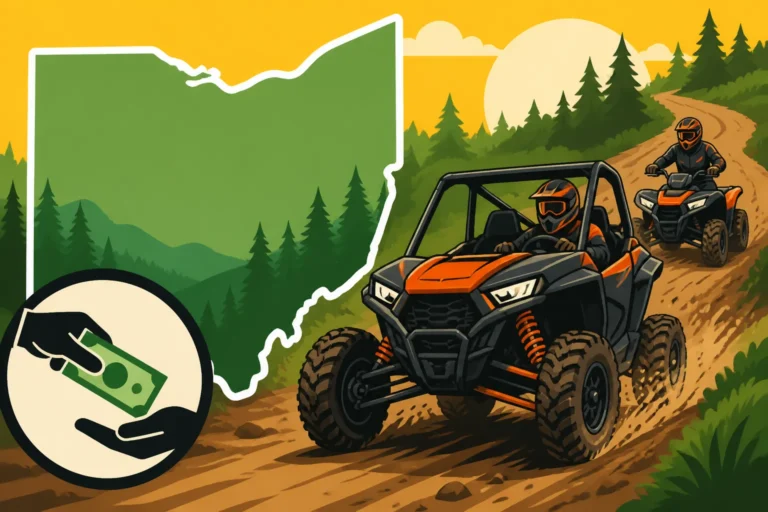
Ohio pay-to-ride parks provide private off-road trails and tracks, requiring visitors to compare access rules, fees, and vehicle restrictions before visiting.
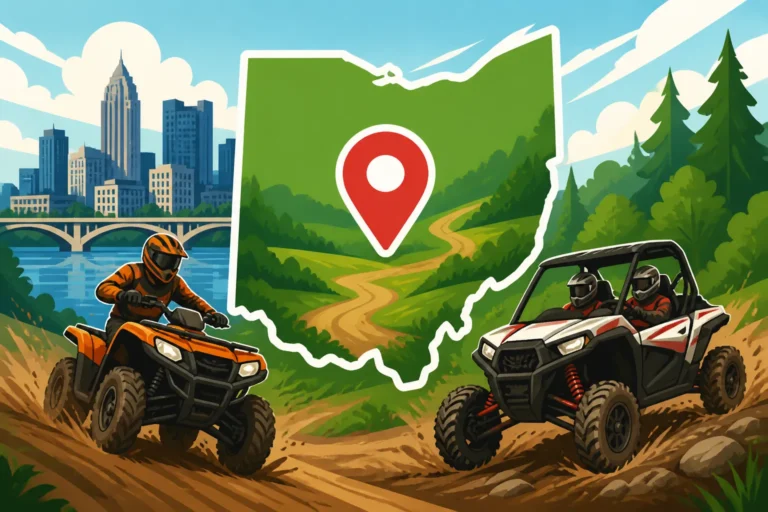
Ohio off-road riding areas near major cities and state forest vehicle width rules explained for ATVs and quads.
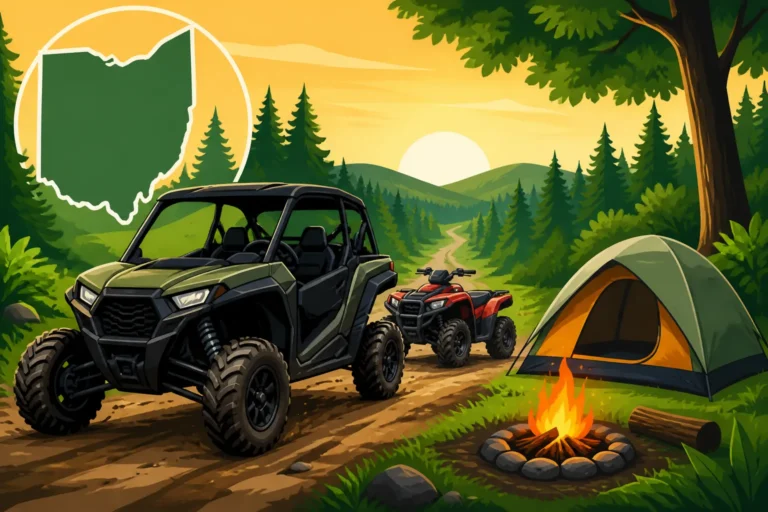
Camping near an Ohio ATV trailhead requires checking rules for parking, unloading, and accessing trails legally from the campsite.
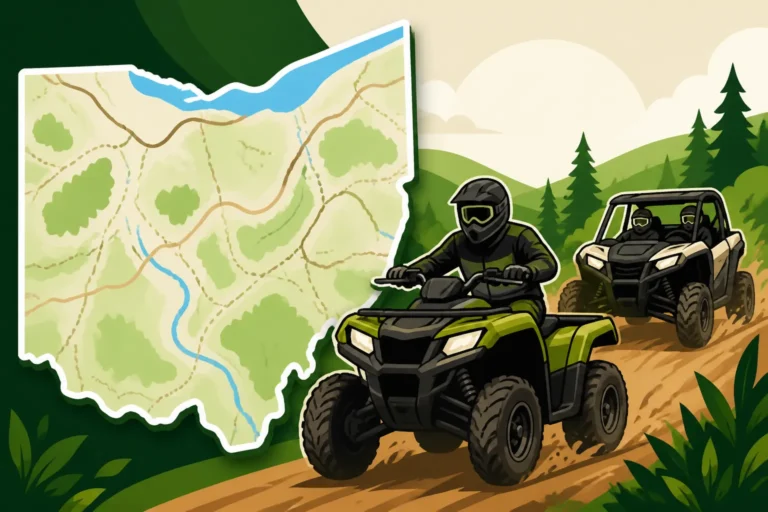
Ohio Department of Natural Resources maps and trail legends explain route boundaries and parking areas for off-road vehicles.
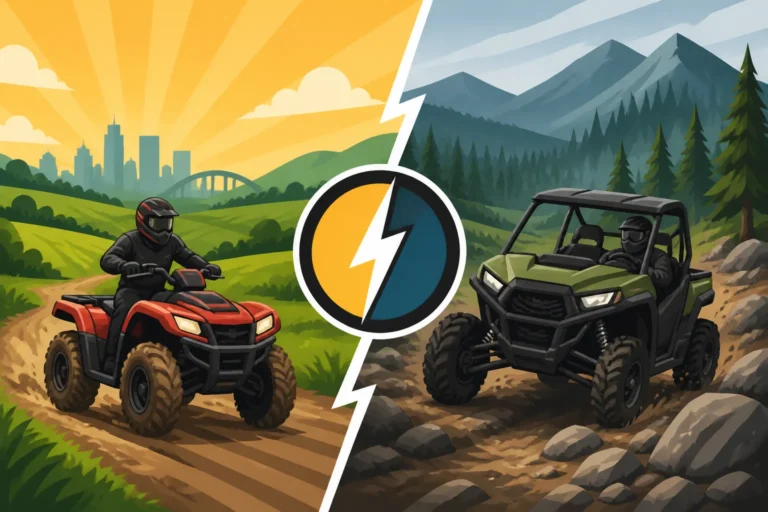
Ohio and West Virginia ATV riding differs in terrain, trail networks, machine limits, and access planning rules.
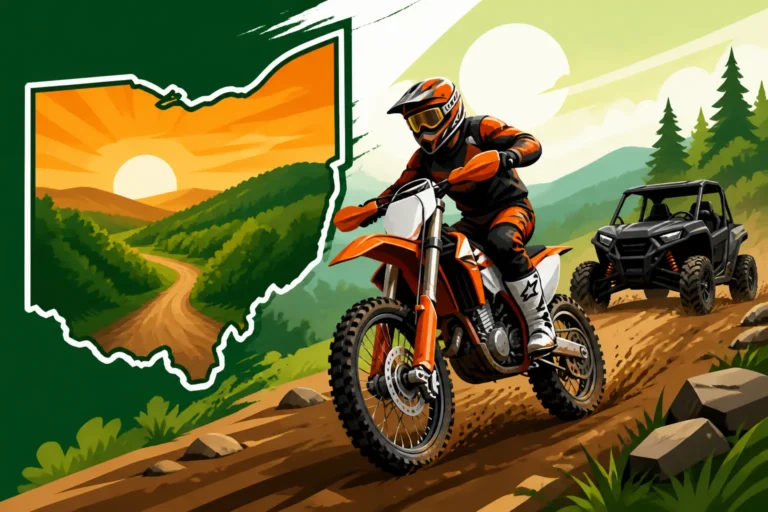
Ohio dirt bike trails require checking vehicle rules, registration, seasonal closures, and terrain conditions before planning trips.

Ohio summer motorcycle riding in humid weather requires planning safe routes, managing machine temperatures, and recognizing heat trouble early.
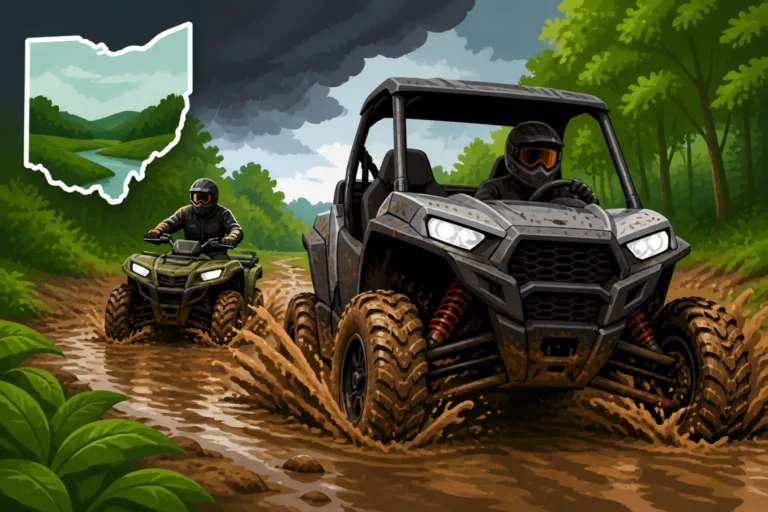
Ohio trail conditions after heavy rain require assessing saturated soil and making safer go-or-no-go decisions.
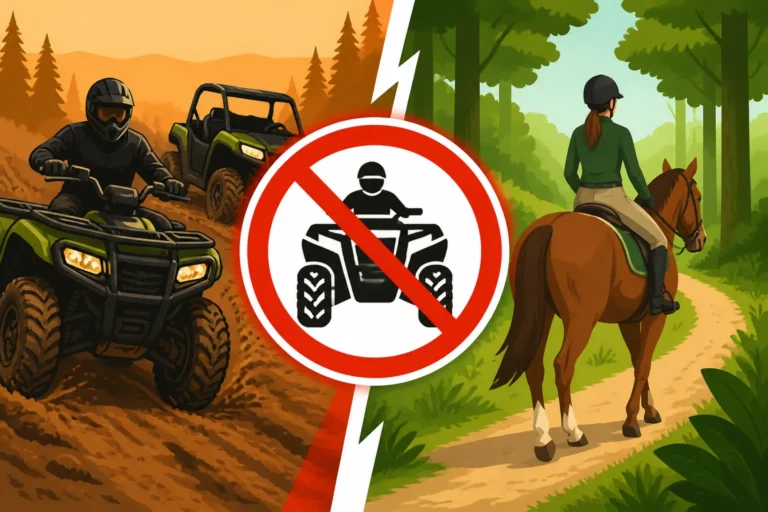
Harrison State Forest rules explain why motorized vehicles are banned and trails are reserved for horseback riders.