Tracing a Frame Number
It’s a scenario many Ohio ATV and UTV enthusiasts dread: you’ve found what looks like a great deal on a used machine, or perhaps you’ve inherited an older quad, but there’s no title in sight. The excitement quickly turns to frustration as you realize that without proper documentation, getting your beloved off-roader legally registered in Ohio feels impossible. This guide is here to cut through that confusion, showing you exactly how to trace a frame number – your machine's unique identifier – to uncover its history and put you on the path to legal ownership.
Why Your Frame Number is So Important in Ohio
Think of your ATV or UTV's frame number, also known as the Vehicle Identification Number (VIN), as its unique fingerprint. In Ohio, this number is more than just a series of digits; it’s the bedrock of proving ownership and establishing a machine's legal identity. Without a clear path to ownership via this number, you'll hit a wall when trying to register or sell your all-purpose vehicle (APV).
More Than Just a Number: What the VIN Tells You
Every VIN is a carefully constructed code, usually 17 characters long, that tells a detailed story about your machine. It reveals the manufacturer, the specific model year it was produced, the manufacturing plant, and a unique serial number that sets it apart from every other vehicle ever made. This wealth of information is absolutely critical when it comes to the legalities surrounding your APV in Ohio.
For example, when you go to the Clerk of Courts to start the process of [Titling an APV at an Ohio Clerk of Courts], the first thing they’ll look for is that VIN. It's how they verify the machine's existence and track its history through state databases. It's a non-negotiable part of the [Ohio APV Title Requirements] and essential for all [Ohio APV Registration Paperwork]. Imagine you're trying to [Registering an Inherited Machine in Ohio], and the paperwork from your late relative is nowhere to be found. The VIN becomes your primary piece of evidence, allowing you to begin piecing together the machine's past and proving that it's legitimately yours. Without it, you're essentially trying to register a ghost, which just isn't going to fly.
The Headache of a Missing or Unknown Title
This is where the rubber meets the road for many riders. Buying a machine, especially an older one or one from a private seller, without an accompanying title can lead to a world of frustration. Ohio law, like that in many other states, generally requires a title to prove ownership for most APVs. Without that official document, you lack the legal proof that the machine belongs to you, which in turn means you can't get it officially registered or plate it for trail use.
This becomes a particularly thorny issue if you're trying to figure out [Buying a Quad With No Title]. A seller might tell you, "Oh, it's just an old farm quad, never had a title," or "The title got lost years ago." While these stories might sometimes be true for very old machines or certain types of equipment, they often hide a much bigger problem. Without a title, you're taking a significant risk. You might buy a stolen machine, one with an undisclosed lien, or simply one that can never be legally registered for public trail access in Ohio. Tracing the VIN is often the only realistic pathway to understanding the true legal status of such a machine, even if it feels like detective work.
Where to Find Your Machine's Frame Number
Before you can trace anything, you have to actually find the frame number on your ATV or UTV. This might sound obvious, but depending on the machine's age, how it's been used, and its general condition, locating and reading the VIN can be its own adventure. Dirt, rust, or even aftermarket parts can obscure this vital identifier.
Common Locations on ATVs
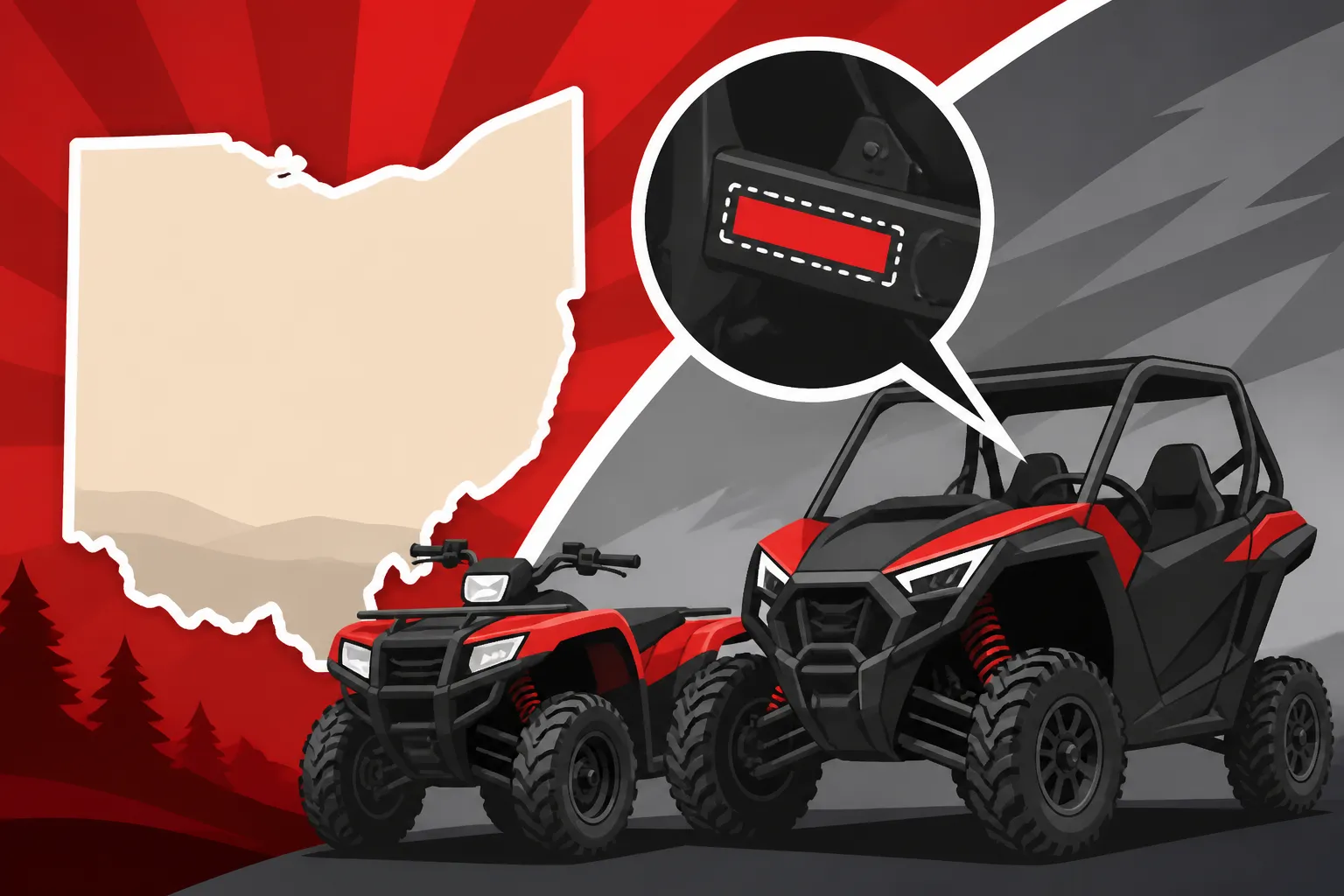
For most ATVs, the VIN is usually stamped directly into the frame itself, often in a visible and easily accessible spot. Here are some of the most common places to check:
- Front Frame Rail (Right Side): Many manufacturers stamp the VIN on the main frame rail, just behind the right-front wheel. You might need to turn the handlebars fully to one side to get a clear view.
- Steering Head/Neck (Beneath Handlebars): Another very common location is on the steering head, which is the part of the frame where the handlebars attach. It might be on a small metal tag or directly stamped into the tube.
- Lower Frame Crossmember: Sometimes, especially on older models, the VIN can be found on a crossmember of the frame, often closer to the engine or footpegs.
When searching, bring a good flashlight and a rag. Years of mud, grime, and dust can build up, making the numbers practically invisible. Don't be afraid to wipe down the area thoroughly. If you have the original owner's manual, it often includes a diagram showing the exact VIN location for your specific model, which can save you a lot of searching.
Common Locations on UTVs
UTVs, or side-by-sides, also have their VINs stamped into the frame, though their larger size and sometimes more enclosed designs can mean slightly different typical locations.
- Dashboard: On many modern UTVs, the VIN is clearly visible through the windshield on the driver's side dashboard, much like in a car.
- Frame Rail Near Engine Compartment: Look along the frame rails that run parallel to the sides of the machine, particularly in the area around the engine or under the cargo bed.
- Under the Seat: In some models, lifting the driver or passenger seat might reveal the VIN stamped into the frame underneath.
Again, cleanliness is key. UTVs are designed for off-road use, so expect mud and debris. A good cleaning and a bright light will be your best friends. If you're struggling, consult the owner's manual – it's an invaluable resource.
Here’s a quick overview of common VIN locations:
| Machine Type | Primary Locations | Secondary Locations |
|---|---|---|
| ATV | Right-front frame rail | Steering head/neck, lower frame sections |
| UTV | Driver's side dashboard (visible) | Frame rail near engine, under seats |
When the Number is Hard to Read or Damaged
What if you find the VIN, but it's caked in rust, covered by old paint, or even physically damaged from an accident? This is a tough spot, but not always a dead end.
First, try to carefully clean the area. Use a wire brush gently, or a rust remover if necessary, but be extremely cautious not to further damage or obscure the numbers. You want to reveal them, not erase them. Sometimes, taking a crayon and rubbing it over the numbers can create a "rubbing" that makes the impressions easier to read. Take multiple clear photos from different angles once you've cleaned it as much as possible.
If the number is truly illegible or seems altered, you might have a bigger problem on your hands. An altered VIN is a serious red flag, potentially indicating a stolen vehicle or an attempt to conceal its history. In such cases, you might need to involve the Ohio Bureau of Motor Vehicles (BMV) or even law enforcement. They have resources to inspect the machine and determine if the VIN can be recovered or if it's been tampered with. This isn't a simple "DIY" fix and will likely involve official inspections before any titling can proceed.
The Process of Tracing the Frame Number
Once you’ve successfully located and clearly read the VIN, the real detective work begins. Tracing that frame number can unlock the machine's past, revealing vital information needed to establish clear ownership and finally get it registered in Ohio.
Starting Your Search: Manufacturer and Databases
With your VIN in hand, your first step is to leverage online resources. Many manufacturers provide VIN decoders on their websites. Inputting your VIN there can confirm the make, model, and year of manufacture, which is a great starting point for verification. It helps ensure the machine matches what you think it is.
Beyond the manufacturer, there are several commercial services (often paid) that offer comprehensive VIN checks. These services tap into various national databases to pull up a vehicle's history report. While I can't recommend specific brands or services, these reports can be incredibly valuable. They often reveal:
- Past theft reports: Crucial to avoid buying a stolen machine.
- Lien information: Whether there's an outstanding loan or debt against the machine. This is vital, especially if you're contemplating [Buying a Quad With a Lien on the Title], as that lien could become your problem.
- Salvage or rebuilt titles: If the machine has been declared a total loss due to damage, it will likely have a salvage title, which affects its value and can complicate registration.
- Accident history and odometer readings: Providing more insight into the machine's condition and past use.
This information is incredibly important for [Checking a VIN Before an Ohio Purchase]. It can either give you peace of mind or be a reason to walk away from a bad deal. If you know the previous owner, reaching out to them with the VIN can also sometimes provide missing pieces of the puzzle, like why a title was never transferred.
Working with Ohio Authorities When Necessary
After exhausting your personal research and online VIN checks, if you still can't locate a title or if there are discrepancies, the next step involves Ohio's authorities. The Ohio Bureau of Motor Vehicles (BMV) and the county Clerk of Courts offices are the entities that manage vehicle titles and registrations.
While you won't typically start your search there, they become critical when you need to formalize ownership. The Clerk of Courts office can often perform a search of state records using the VIN to determine if a title has ever been issued for that machine in Ohio, and to whom. They can also check for any active liens. Be prepared to provide them with any documentation you do have, no matter how sparse. This could include a handwritten receipt, an old registration card, or even a detailed [An Ohio Bill of Sale for an APV] (which you can draft using a reliable service like LawDepot to ensure it covers all legal bases). The more legitimate paperwork you can present, even if it's not a title, the better your chances of navigating the process. Remember, these processes take time, so patience is key.
What to Do If No Title is Found
This is the challenging part. Despite all your efforts, sometimes a clear, traceable title history simply doesn't materialize. This happens most often with very old machines, those that have truly been "barn finds" for decades, or sometimes with machines that were never required to be titled in another state before being brought to Ohio.
If you find yourself in this situation, you have a few potential paths, though none are guaranteed easy:
- Bonded Title: In some states, a "bonded title" process exists for vehicles where the original title is lost, destroyed, or never issued, and the applicant can demonstrate ownership but lacks the official title. This involves purchasing a surety bond that protects previous owners or lienholders in case a claim arises later. You'd need to inquire specifically with the Ohio BMV or a Deputy Registrar about the availability and requirements for a bonded title for an APV. This process can be complex and typically requires a thorough application and investigation.
- Court Order: In rare and difficult cases, you might need to pursue a court order to establish ownership. This is usually a last resort, involving legal counsel, and can be costly and time-consuming. You would present all your evidence of ownership and efforts to trace the VIN to a judge, asking for a court order compelling the state to issue a title.
- Private Land Use Only: The unfortunate but realistic truth for some machines with no traceable title is that they might only be legally usable on private property where you have explicit permission. Without a title, you cannot register it for use on public trails, forest lands, or approved township roads in Ohio. If this is the outcome, you might consider it a dedicated farm machine or a project for your own property.
- Document Everything: No matter which path you pursue, meticulously document every step of your VIN tracing journey. Keep copies of all communications, search results, and any documents, even if they're not a formal title. If you legitimately purchased the machine, having a strong bill of sale, perhaps drafted using a service like LawDepot, can be a crucial piece of evidence to prove that the transaction occurred.
Preventing Future Titling Headaches
The best way to avoid the headache of tracing a frame number is to be proactive and informed from the very beginning. A little due diligence upfront can save you countless hours of frustration and potential legal issues down the road.
Best Practices When Buying an APV
When you’re in the market for an ATV or UTV, whether new or used, the golden rule is to prioritize clear and complete documentation.
- Always Demand the Title: This is non-negotiable for most APVs in Ohio. Before you hand over any money, insist on seeing the physical title. For a brand new machine, you'll receive a Manufacturer's Certificate of Origin (MCO), which functions as the first title document. For a used machine, the seller must have the existing title in their name, free of any liens.
- Verify the VIN: Take the VIN from the title and compare it character for character with the VIN stamped on the machine's frame. They must match exactly. Any discrepancy is a massive red flag.
- Never Buy Blind: Be wary of sellers who offer vague explanations for a missing title or pressure you to complete a sale quickly. If something feels off, it probably is. It's much easier to walk away from a deal than to resolve a title problem after the purchase. For more tips on this, refer to [Buying a Used APV in Ohio].
- Use a Proper Bill of Sale: Even with a clear title, a comprehensive bill of sale is crucial. This document should detail the buyer and seller's information, the machine's make, model, year, and most importantly, its VIN, purchase price, and the date of sale. A well-drafted bill of sale, easily created through a platform like LawDepot, protects both parties and serves as additional proof of the transaction. This is a key document if you ever have to refer back to [An Ohio Bill of Sale for an APV].
- Check for Liens: Before buying, especially from a private seller, ask them to provide proof that there are no liens against the vehicle. The VIN check services mentioned earlier can often reveal this. If there is a lien, ensure it's cleared before the transaction is complete, or you could inherit the previous owner's debt.
Keeping Your Own Records Up to Date
Once you own an APV, good record-keeping is your best defense against future titling problems.
- Store Your Title Safely: Your actual title document should be kept in a secure place, like a fireproof safe, and never on the machine itself. If your machine is stolen or lost, having the title safely stored makes it much easier to report and potentially recover.
- Keep Copies of Everything: Make digital and physical copies of your title, registration card, bill of sale, insurance policies, and any loan documents. Keep these copies separate from the originals. If your original title is lost or damaged, these copies can expedite the process of getting a duplicate.
- Know Your VIN: Memorize it or keep it noted in a secure place. Having it readily available will be useful for insurance purposes, maintenance records, and in case you ever need to quickly verify your machine's identity.
- Follow Proper Sale Procedures: If and when you decide to sell your APV, ensure you follow all the correct steps for [Selling an APV in Ohio]. Properly sign over the title, provide a bill of sale, and ensure the buyer understands their responsibility to transfer the title into their name. This prevents any lingering issues that could come back to you.
Taking these preventative measures means you’ll likely never have to embark on the challenging process of tracing a frame number yourself. It’s all about being informed and prepared, ensuring your time is spent on the trails, not in the paperwork maze.
Disclaimer
This article is for general informational purposes only and does not constitute professional advice. Laws, prices and regulations vary by location and change over time. Consult a qualified professional for guidance on your specific situation.