An Ohio Quad You Only Ride in November
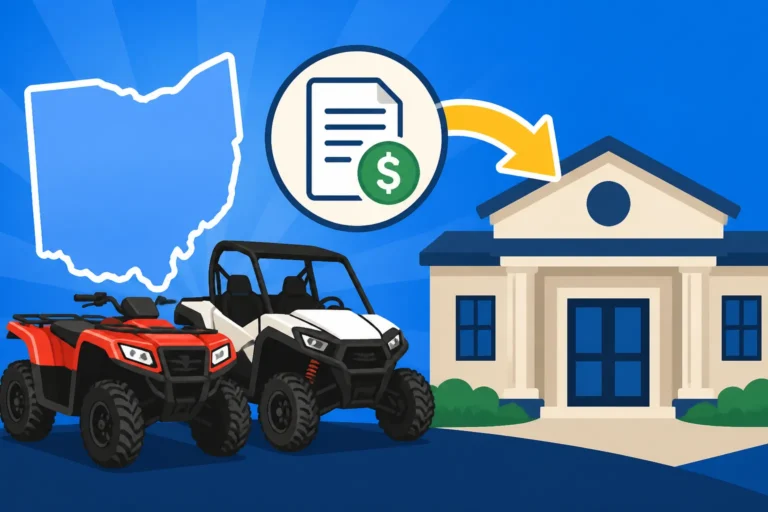
It’s a common frustration, isn't it? You own a quad, and maybe you only get a precious few weekends a year to actually ride it – perhaps just that golden window in November when the leaves are down, the air is crisp, and the trails aren't too dusty or muddy yet. You might wonder, "Do I really need to go through all the hassle of registration and titling for a machine that sees such limited action?" This guide is here to untangle that very question for you, diving deep into Ohio's APV laws and explaining why even your beloved November-only quad absolutely needs to be properly registered and titled.
Understanding Ohio's APV Registration Mandate (Even for Occasional Riders)
You might think that if your quad is only hitting the trails for a month out of the year, it would qualify for some kind of exception, or perhaps a temporary permit that doesn’t demand a full registration. Unfortunately, Ohio law isn’t quite set up that way. The state takes a pretty straightforward stance: if it’s an All-Purpose Vehicle (APV) and you’re riding it anywhere other than your own private, non-posted land, it needs to be registered. That includes the public trails in state forests, designated riding areas, or any road that a township or county has explicitly opened up.
Why November-Only Riders Still Need a Plate
The key here is how Ohio defines "use." The law doesn't differentiate between a machine ridden every weekend and one that only comes out of the garage once a year. If it can be ridden and will be ridden on public lands or approved roads, it must meet the legal requirements. Think of it like car insurance; you pay for it year-round, even if your car sits in the driveway for weeks. The registration fee helps fund the very trails and programs that make those November rides possible, contributing to the [State Recreational Vehicle Fund]. So, while it might feel like you're paying for more than you're using, that plate signifies your contribution to the overall system and your compliance with state law. It's not about the frequency, but the potential for public use.
Defining an "All-Purpose Vehicle" in Ohio
Before you can even think about registration, it’s crucial to know if your machine falls under Ohio's definition of an APV. This isn't just a casual term; it's a legal classification that dictates how your machine is treated under state law. Generally speaking, if you have a quad, a side-by-side (UTV), or even a dirt bike that you plan to ride anywhere off your own private property, it's considered an APV. Ohio law defines an APV as a "self-propelled vehicle designed for cross-country travel on land and water or on land only, and steered by handlebars or other turning device." This definition is pretty broad, encompassing most recreational off-road vehicles. Understanding [How Ohio Law Defines an APV] is your first step in navigating the registration process. It means that whether your machine is a roaring quad or a quiet electric model, if it fits that description, it's subject to the same rules.
The Three-Year Registration Cycle and Its Implications
One particular aspect of Ohio's APV registration that often catches people off guard is its unique cycle: it's not an annual thing. Ohio issues APV registrations in [Ohio's Three-Year APV Registration] blocks, with all registrations expiring on December 31st of the third year. So, if you register your quad in any given year, say 2024, that registration will be valid until December 31, 2026. This means you’re essentially paying for three years upfront, regardless of how often you plan to ride within that period. For a November-only rider, this can feel like a significant investment for limited use, but it simplifies the process by reducing the frequency of renewal. It also means you don't have to worry about renewing for the next two November rides after your initial registration.
Navigating the Ohio Registration Process for Your Quad
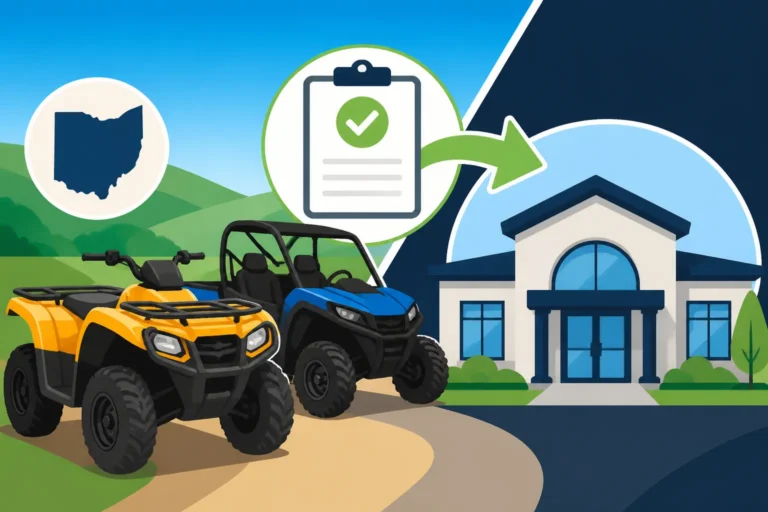
Even if your quad is mostly a fair-weather friend for those specific autumn adventures, the process for getting it legal in Ohio is the same as for a year-round rider. It involves a trip to two different government offices and ensuring you have all your ducks in a row. It might seem like a lot of steps for a limited-use machine, but once it's done, you're set for three years.
Gathering Your Essential Paperwork
The preparation is key to a smooth registration process. You’ll need specific documents to prove ownership and ensure your machine is properly identified. This typically includes the original Manufacturer's Certificate of Origin (MCO) if it's a brand new machine, or a properly assigned title if you bought it used. If you bought a used machine, ensuring the previous owner properly transferred the title to you is paramount. You'll also need a valid form of identification for yourself. Ohio is very particular about titles; for instance, if you're buying a quad from another private party, you'll want to review [Buying a Used APV in Ohio] to ensure you get all the correct documentation. Having everything organized before you leave home will save you a lot of time and frustration at the counter. Even if you only ride in November, a sudden check on the trail will require you to show your valid registration card. [Ohio APV Registration Paperwork] is often the biggest hurdle for first-timers, so double-check everything.
Where to Go: Deputy Registrar vs. Title Office
This is where many people get confused because it’s not a one-stop shop. Ohio requires you to visit two different offices to get your APV fully legal:
- The County Clerk of Courts Title Office: This is where you'll first go to secure the title for your quad. The title is the legal document that proves you own the machine. You'll pay the state title fee here. This office doesn't handle the actual registration plate or sticker, just the ownership record. Understanding [Titling an APV at an Ohio Clerk of Courts] is crucial. This step must happen before you can register the machine.
- The Deputy Registrar Agency (BMV): After you have your title in hand, you’ll head to a Deputy Registrar. This is where you'll actually register your machine and receive your physical APV plate and validation sticker. Here, you'll pay the registration fee, the deputy registrar's service fee, and any applicable sales tax if you haven't already paid it. This distinction is really important, and knowing [Which County Office Collects the Title Fee] versus where you get your plate will save you from making an extra, unnecessary trip. It's two separate but equally vital steps.
Breaking Down the Costs for Your November Ride
Let’s be realistic: getting your machine registered isn't free. There are several fees involved, and while none of them are astronomical on their own, they do add up. The main costs you'll encounter are:
- The Title Fee: This is a one-time fee you pay at the Clerk of Courts Title Office to get your ownership document.
- The Registration Fee: This is the primary fee for the three-year registration period, paid at the Deputy Registrar.
- The Deputy Registrar Fee: This is a small service charge added by the Deputy Registrar for processing your registration. It’s part of [Ohio's $3.50 Deputy Registrar Fee].
- Sales Tax: If you bought your quad from a private seller and the sales tax wasn't collected at the time of purchase, you'll pay this when you title the machine. The rate is Ohio's standard sales tax rate, plus any county permissive tax in your home county.
It’s easy to feel a bit overwhelmed by the numbers, especially for a machine you use infrequently. However, these fees contribute to the upkeep of trails and the administration of the APV program. While specific figures can change, [Ohio APV Registration Cost] typically includes the various components mentioned. For precise, current costs, always check the Ohio Bureau of Motor Vehicles (BMV) website or call your local Deputy Registrar and Clerk of Courts.
Here’s a simplified breakdown of the common fees you might encounter for registering your quad:
| Fee Type | Where Paid | Frequency | Purpose |
|---|---|---|---|
| Title Fee | Clerk of Courts Title Office | Once (per ownership) | Establishes legal ownership |
| Registration Fee | Deputy Registrar | Every three years | Allows legal operation on public land/roads |
| Deputy Registrar | Deputy Registrar | Every three years | Service charge for processing registration |
| Sales Tax | Clerk of Courts Title Office | Once (at purchase) | State and county tax on the purchase price |
This table provides a general overview. Always confirm current fees with official Ohio BMV resources or your local title office and deputy registrar before you go.
Common Scenarios and What They Mean for You
Even with a clear understanding of the rules, real-life situations can throw curveballs. Let's look at a few common scenarios that might apply to you as a November-only rider and how Ohio's APV laws address them.
Buying a Used Quad for Limited Seasonal Use
Perhaps you just picked up a fantastic deal on a used quad, envisioning those perfect November rides. The excitement is real, but don't let it overshadow the need for proper legal transfer. When buying used, you absolutely need a properly assigned title from the previous owner. Sometimes, folks sell machines they never bothered to title themselves, which can lead to headaches down the road. If you're dealing with a private sale, you might consider using a generic bill of sale form, readily available from resources like LawDepot, to document the transaction. While a LawDepot bill of sale isn't a substitute for the official title transfer, it creates a crucial paper trail, especially if there are any discrepancies or if you need to prove the sale price for sales tax purposes. Always check the VIN on the machine against the title to ensure they match perfectly. Failure to get a proper title makes it impossible for you to register the machine in your name, regardless of how rarely you plan to ride it. Make sure to review [An Ohio Bill of Sale for an APV] to understand the proper documentation.
What Happens If You Skip Registration
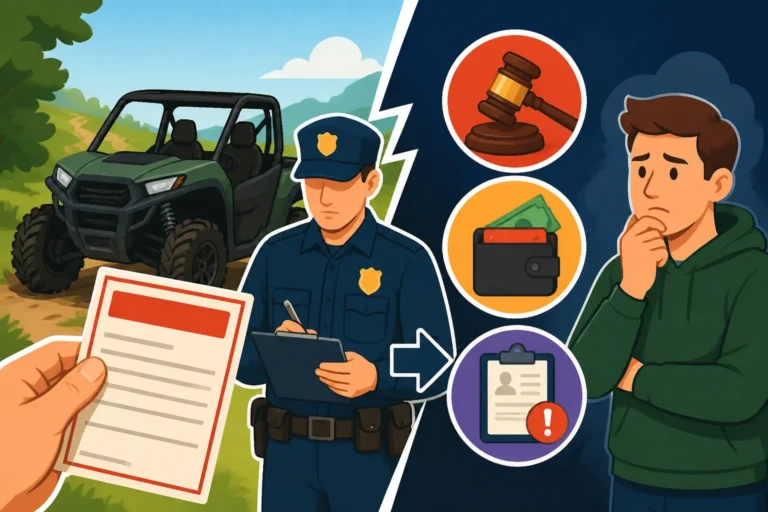
"It’s only November, who’s going to notice?" you might think. While the temptation to skip registration for a machine used so infrequently might be there, the consequences can be significant. Riding an unregistered APV on public land or approved roads in Ohio is illegal. If you're stopped by an Ohio Department of Natural Resources (ODNR) officer, a county sheriff, or a local police officer, you could face fines, penalties, and even have your machine impounded. It’s simply not worth the risk. The small amount you save by not registering pales in comparison to the potential legal trouble and financial burden of a citation. The plate and validation sticker are visible proof that you're compliant, and officers definitely look for them. Think about it: that single November ride could turn into a very expensive and unpleasant experience if you're caught. [Ohio Fines for an Unregistered APV] can quickly add up, making the initial registration fee seem like a bargain.
Planning Ahead for Future November Rides
Once you've gone through the process of titling and registering your quad, you're set for three years. This means for your next two November rides, you won't have to worry about the paperwork at all, save for making sure your registration card is tucked safely away. When the time comes to renew, you can often do so up to [Renewing an Ohio Registration Ninety Days Early], giving you plenty of lead time before your December 31st expiration date. This proactive approach ensures you’re never caught off guard and can focus entirely on enjoying those precious fall days on the trails without any legal worries. It's a system designed for convenience once you're in it, even if the initial step feels a little cumbersome. Keep your eye on that expiration date, and you'll always be ready for your next adventure.
Disclaimer
This article is for general informational purposes only and does not constitute professional advice. Laws, prices and regulations vary by location and change over time. Consult a qualified professional for guidance on your specific situation.