Checking a VIN Before an Ohio Purchase
Buying a used ATV or UTV in Ohio can be an exciting prospect, a chance to hit the trails without the brand-new price tag. But that excitement can quickly turn to a nightmare if you unknowingly purchase a stolen machine, one with a murky past, or even one that's been severely damaged and rebuilt. This guide is here to walk you through the absolutely critical process of checking a Vehicle Identification Number (VIN) before you hand over any cash, ensuring your used machine comes with peace of mind, not hidden problems.
Why the VIN is Your First Line of Defense
Think of the VIN as your machine's unique DNA. It's a 17-character code that tells a comprehensive story about that specific ATV or UTV, from its origins to its history. Before you even think about test rides or haggling over price, verifying the VIN is the most crucial step you can take. Skipping this can lead to headaches ranging from simple buyer's remorse to serious legal and financial repercussions. It's not just a formality; it's your shield against potential fraud and unforeseen problems down the road.
Unmasking a Stolen Machine
One of the biggest fears when buying privately is accidentally purchasing a stolen machine. Imagine spending your hard-earned money, bringing your new-to-you quad home, only for it to be identified as stolen weeks or months later. What then? Typically, law enforcement will confiscate the machine, returning it to its rightful owner. You, the innocent buyer, are then out of your money and without the ATV. You might have to pursue civil action against the seller, which can be a long, costly, and often fruitless endeavor if the seller has disappeared or has no assets. A proper VIN check against national databases is your primary tool to avoid this devastating scenario. It gives you the power to see if that machine has been reported as missing or stolen, preventing you from becoming entangled in someone else's criminal activity.
Revealing a Salvage History
The term "salvage title" often sends shivers down a buyer's spine, and for good reason. A salvage designation usually means the machine has been declared a total loss by an insurance company due to severe damage from an accident, flood, fire, or vandalism. While some mechanically inclined individuals might restore these machines, they often carry hidden structural damage, electrical issues, or compromised safety features that aren't immediately apparent. A machine with a salvage history will almost always have a significantly lower resale value, regardless of how well it's been "repaired." More importantly, some insurance companies might refuse to cover a salvage-titled vehicle, or only offer minimal liability coverage, leaving you exposed. Knowing if a machine has a salvage history before you buy allows you to make an informed decision, negotiate a drastically reduced price, or, more often, walk away entirely.
Verifying the Machine's Identity
Sellers sometimes unintentionally, or intentionally, misrepresent a machine. They might claim it's a newer model year than it is, a more desirable trim level, or even a different engine size. The VIN is the definitive source of truth for your ATV or UTV's identity. Decoding the VIN will tell you the exact manufacturer, make, model, model year, and even specific engine and plant codes. By cross-referencing this information with the seller's claims and your own research, you can quickly spot any discrepancies. This ensures you're getting exactly what you're paying for and helps you accurately assess the machine's market value. Don't rely solely on visual cues or a seller's word; let the VIN speak for itself.
Where to Find and Verify the VIN
Once you understand why the VIN is so important, the next step is knowing where to find it and how to use it effectively. This isn't just about jotting down a number; it's about verifying its legitimacy and consistency across all documentation.
Locating the VIN on an APV
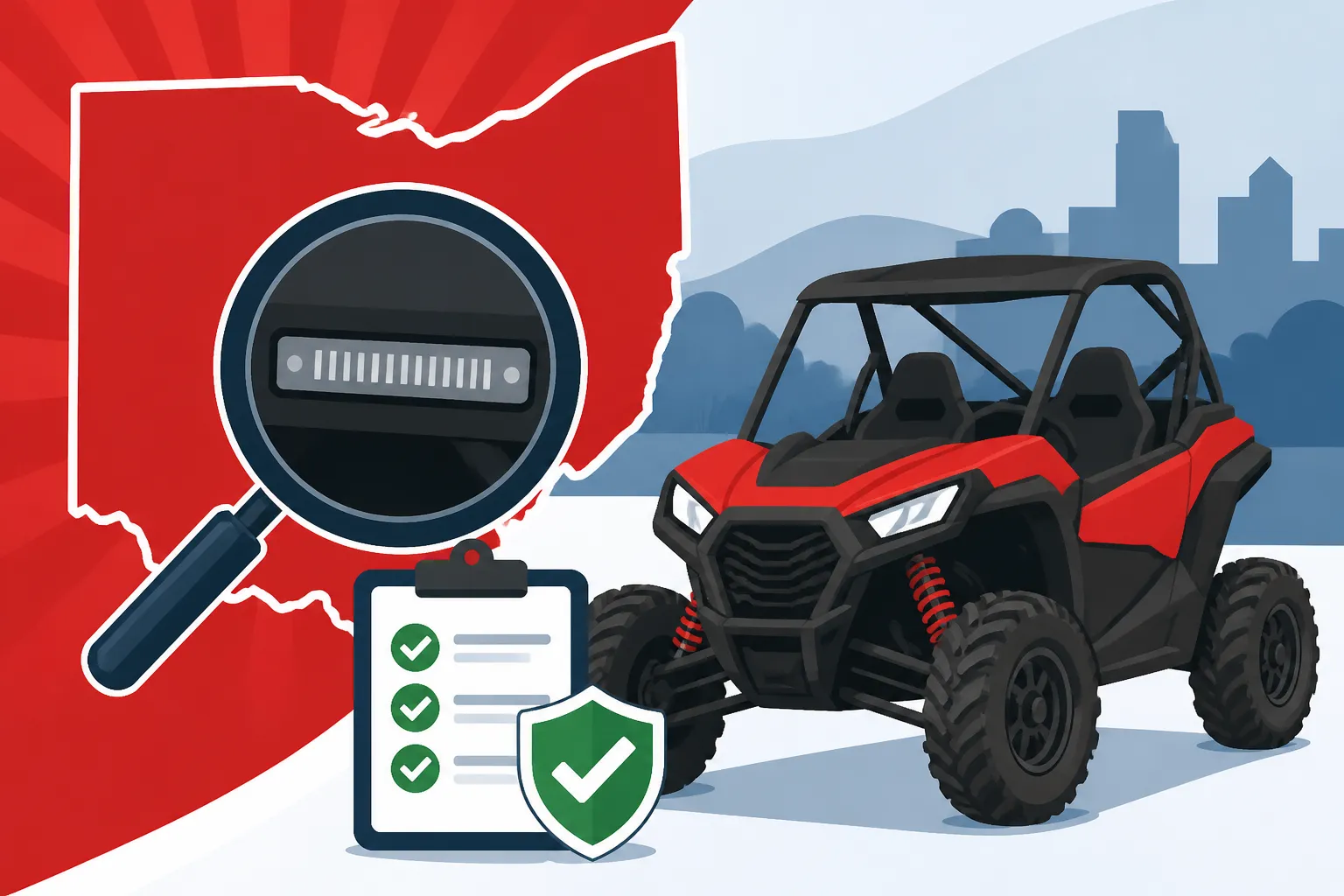
Unlike cars, where the VIN is almost always on the dashboard visible through the windshield, ATVs and UTVs have a few common spots where the VIN is stamped or affixed. The most common location for an ATV is typically on the frame, often on the lower left side near the front wheel, or stamped into the frame near the footpeg. For UTVs, it's often on the frame under the driver's seat, on the passenger side frame rail, or on a sticker near the steering column or engine compartment. Some manufacturers also place it on the engine casing itself.
When you're inspecting the machine, look for these key things:
- The stamping: The VIN should be cleanly stamped into the metal, not engraved or haphazardly written.
- Consistency: The numbers and letters should be uniform in size and spacing. Any signs of grinding, re-stamping, or an appliqué sticker that looks like it could be peeled off are immediate red flags.
- Multiple locations: If you find a sticker VIN, try to locate a stamped VIN on the frame as well. They should match perfectly. If you can't find a VIN or it looks like it's been deliberately obscured, stop the inspection there and walk away.
Cross-Referencing With the Title
This step is absolutely non-negotiable. In Ohio, every APV is required to be titled, and that title document is the definitive proof of ownership. Before you agree to any purchase, demand to see the physical title. A seller who makes excuses about a lost title, or says they'll "mail it to you later," is a massive red flag.
Once you have the title in hand, immediately compare:
- The VIN on the machine to the VIN printed on the title certificate. These must match character for character. If there's even one digit or letter off, something is wrong.
- The seller's name on the title to the ID of the person selling you the machine. They must be the registered owner. If the seller's name isn't on the title, they don't legally own it, and they can't legally sell it to you. This is a common pitfall for buyers, often leading to situations like [Buying From a Seller Who Never Transferred the Title].
- Any lienholders listed on the title. If a bank or financial institution is listed as a lienholder, it means the machine isn't fully paid off. The seller cannot provide you with a clear title until that lien is released.
Always ensure you are [Bringing Proof of Ownership to the Title Office] that is clear and consistent. If the VINs don't match, or the seller's name isn't on the title, do not proceed with the purchase.
Tools for a Comprehensive VIN Check
Beyond simply verifying the VIN visually against the title, you have powerful tools at your disposal to dig deeper into its history. These services can access databases that reveal a wealth of information that a simple visual inspection can't.
- National Insurance Crime Bureau (NICB): The NICB offers a free VIN check service called VINCheck that allows you to see if a vehicle has been reported as stolen and not recovered, or if it's been declared a total loss by a participating NICB member insurance company. This is an excellent starting point and provides crucial information about theft and salvage history.
- State BMV/DMV Resources: While the Ohio Bureau of Motor Vehicles (BMV) does not offer a public-facing VIN lookup for detailed history reports, they are the authority on current registration and title records. If you have concerns, a visit to a [Why a County Title Office and Not the BMV] or Deputy Registrar can sometimes clarify recent ownership, though they won't provide full history reports.
- Commercial VIN Check Services: For a more comprehensive look, services like Carfax, AutoCheck, and others specialize in gathering vehicle history data. These are typically paid services, but the peace of mind they offer is often well worth the nominal fee. They pull data from various sources including state DMVs, insurance companies, repair shops, and law enforcement agencies. A full report can show detailed ownership history, accident records, odometer discrepancies, recall information, and more. When you're ready to make a firm offer, and are drawing up your bill of sale, a tool like LawDepot can assist you with legally sound forms. While LawDepot doesn't offer VIN checks itself, it's a valuable resource for ensuring your [An Ohio Bill of Sale for an APV] is solid once you've done your due diligence on the machine's history.
What an Ohio VIN Check Can Tell You
A thorough VIN check, especially through a commercial service, provides far more than just basic information. It's like having access to your machine's complete medical history, revealing insights that could prevent future financial pain or even physical danger.
Ownership History and Liens
One of the most important aspects a VIN check can uncover is the full ownership history of the machine. This isn't just a list of previous owners; it can reveal crucial details like:
- Number of owners: A machine with many owners in a short period might indicate recurring problems.
- Type of ownership: Was it a personal vehicle, a rental, or part of a commercial fleet? This can impact its wear and tear.
- Geographical history: Where has the machine been registered? This can be important if you're concerned about rust in coastal areas or if it's been involved in a natural disaster in another state.
- Active liens: As mentioned earlier, a lien means someone else has a financial claim on the machine. A comprehensive VIN check will flag any active liens, protecting you from purchasing a machine that legally isn't entirely the seller's to sell. If you discover a lien, you'll need to understand the process for [Clearing a Lien Before an Ohio Sale] or [Buying a Quad With a Lien on the Title]. This knowledge is paramount for [Checking a Title Before You Pay].
Accident and Damage Reports
Beyond just a salvage title, a detailed VIN report can provide specifics about past accidents and damage that didn't necessarily result in a total loss. This might include:
- Collision reports: Dates, locations, and sometimes even the severity of reported accidents.
- Flood damage: Crucial for any vehicle, but especially off-road machines that might already encounter water. Flood damage can lead to long-term electrical issues, rust, and mold.
- Fire damage: Even minor fires can compromise wiring, plastics, and structural integrity.
- Other incidents: Reports of theft, vandalism, or even hail damage.
Even if a machine looks good on the surface, these reports can reveal underlying issues that could manifest later. Knowing about significant prior damage allows you to either walk away or adjust your offer dramatically, potentially factoring in future repair costs.
Open Recalls and Manufacturing Defects
Manufacturers periodically issue recalls for safety defects or issues with specific models. These recalls are often based on the VIN range. A VIN check can inform you if there are any outstanding recalls for the particular ATV or UTV you're considering. This is incredibly important for safety. Riding a machine with an unrepaired safety recall could put you or your passengers at risk. Furthermore, knowing about these recalls can give you leverage in negotiations; you might ask the seller to address the recall before the sale, or factor the cost and hassle of getting it repaired yourself into your offer. While Ohio doesn't require an inspection for APV registration, being aware of potential safety defects is still critical for your own well-being.
The Red Flags: When to Walk Away
Sometimes, the VIN check process itself, or the seller's behavior, throws up glaring warning signs. These aren't just minor concerns; they are often indicators of serious underlying problems that should make you reconsider the purchase entirely. Trust your gut, and don't let the excitement of a potential deal blind you to these critical red flags.
Inconsistent or Tampered VINs
This is perhaps the biggest red flag you can encounter. If the VIN stamped on the frame doesn't match the VIN on the title, or if the VIN itself looks suspicious, run—don't walk—away.
- Mismatched VINs: If the VIN on the machine doesn't align with the title, it could indicate a variety of illegal activities, from parts swapping to a stolen frame being re-VINed. It might also mean the seller is trying to sell you a different machine than the one legally documented.
- Signs of tampering: Look for signs of grinding marks around the VIN plate or stamping, numbers that look like they've been restamped with different fonts or sizes, or an adhesive VIN sticker that's peeling, scratched, or inconsistent with the factory application. Any sign that the VIN has been altered suggests the machine is stolen or has a deeply troubled history that someone is trying to conceal. In Ohio, buying a machine with a tampered VIN can lead to legal complications for you, even if you were unaware of the tampering.
Missing Title or Incomplete Paperwork
In Ohio, an APV must have a title. If the seller cannot produce a clear, original title in their name, do not proceed with the purchase. While situations like [Buying a Quad With No Title] or [Buying From a Seller Who Never Transferred the Title] can sometimes be rectified through lengthy and complicated processes, they are a massive headache and rarely worth the risk for a private sale.
- "Lost" title: A seller claiming the title is "lost" but promising to send it later is a common tactic used by scammers. Always insist on seeing the physical title before money changes hands.
- Title in someone else's name: If the title is in a previous owner's name, the current seller cannot legally transfer ownership to you. They need to title it in their own name first.
- Salvage certificate instead of a clear title: Make sure you're not getting a salvage certificate if you're expecting a clean title. Understand the implications before you proceed.
- Bill of sale only: While a bill of sale is important, it is not a substitute for an Ohio title. You need both to legally transfer ownership and [Titling an APV at an Ohio Clerk of Courts].
Seller Hesitation or Suspicious Behavior
Sometimes, your intuition is your best guide. Pay close attention to the seller's willingness to cooperate and their overall demeanor.
- Refusal to provide VIN: If a seller is hesitant or outright refuses to provide the VIN before you've even seen the machine, that's a huge red flag. They might be trying to hide something.
- Rushing the sale: A seller who pushes for a quick cash transaction, refuses to allow ample time for inspection, or pressures you to bypass due diligence might be trying to offload a problem machine.
- Unwillingness to meet at a neutral location: While not always a deal-breaker, a seller who insists on meeting in an unusual or isolated spot, or refuses to let you see the machine at their residence, can be suspicious. Meeting at a local title office or a notary for the transfer can offer an added layer of security.
- Evasive answers: If the seller gives vague, inconsistent, or evasive answers to your questions about the machine's history, maintenance, or past issues, consider it a warning sign. Honesty and transparency are key.
Completing the Purchase Confidently
After all your diligent VIN checking and inspections, once you're satisfied with the machine's history and condition, it's time to finalize the deal. Even at this stage, a few critical steps ensure your investment is protected and that the transfer of ownership is legally sound.
Documenting Your Due Diligence
Before you even hand over payment, make sure you have a solid record of all your efforts. This paper trail can be invaluable if any issues arise later.
- Keep VIN check reports: Print out or save digital copies of any VIN reports you've run, whether free (like NICB) or paid (like Carfax).
- Record communications: Keep a log of your conversations with the seller, including dates, times, and key points discussed. If communicating via text or email, save those messages.
- Photos and videos: Document the machine's condition with detailed photos and videos during your inspection. This includes close-ups of the VIN, any minor cosmetic flaws, and even footage of a test ride if possible.
- Witness: If possible, bring a knowledgeable friend or family member with you as an extra set of eyes and ears. They can also serve as a witness to the transaction.
Having these records proves that you did your homework and can be crucial evidence if you ever need to dispute a claim or address a problem with the machine.
The Importance of a Solid Bill of Sale
Even if the VIN checks out and the title is clean, a comprehensive bill of sale is an absolute must for any private APV transaction in Ohio. It's your legal receipt and proof of purchase, documenting the details of the transaction. A simple handwritten note might not suffice; you want something legally robust.
A good Ohio APV bill of sale should include:
- Full legal names and addresses of both buyer and seller.
- The complete 17-character VIN of the machine.
- Make, model, and year of the ATV or UTV.
- Date of sale.
- Purchase price.
- Odometer reading (if applicable and accurate).
- A statement that the machine is sold "as-is," meaning you are accepting it in its current condition with no warranties from the seller.
- Signatures of both buyer and seller.
- Ideally, notarization, which adds an extra layer of legal authenticity.
Resources like LawDepot can be incredibly helpful here. They offer customizable, legally sound bill of sale templates specifically designed for vehicle sales, which you can easily adapt for an APV. Using such a service ensures you're not missing any critical legal language and that your [Ohio APV Bill of Sale Requirements] are fully met.
Next Steps: Titling and Registration
Congratulations, you've done your due diligence and made the purchase! But your journey isn't quite over. In Ohio, you still need to legally transfer ownership and register your new-to-you APV.
- Titling: Your first stop will be an Ohio Clerk of Courts title office. This is where you'll present the signed-over title from the seller, your bill of sale, and pay the appropriate title fees. You'll receive a new title with your name as the owner. This process is fully explained in [Titling an APV at an Ohio Clerk of Courts]. Remember, you cannot register your APV until you have a title in your name.
- Registration: Once you have your new title, you'll then visit a Deputy Registrar's office to [Registering an APV in Ohio]. Here, you'll pay the registration fees, any applicable deputy registrar fees, and receive your Ohio APV plate and validation stickers. The registration is good for a three-year cycle, expiring on December 31st of the third year. This allows you to legally ride on designated Ohio trails and, where permitted by local ordinance, on specific roads. You will also pay [Ohio APV Registration and Sales Tax] at this time.
By meticulously following these steps, from the initial VIN check to the final registration, you ensure that your used Ohio ATV or UTV purchase is not only exciting but also secure and legally compliant.
VIN Check Services Comparison
To help you decide which VIN check method might be best for your situation, here's a quick comparison.
| Feature | Free Online VIN Check (e.g., NICB) | Commercial VIN Report (e.g., Carfax) | Visual & Title Check (DIY) |
|---|---|---|---|
| Cost | Free | Varies (usually $20-$40 per report) | Free |
| Data Sources | Insurance companies, law enforcement | DMVs, insurance, repair shops, manufacturers | Seller's title, physical machine |
| Stolen Status | Yes | Yes | No (visual only) |
| Salvage Status | Yes | Yes | No (title will show "salvage") |
| Accident History | Limited (total loss only) | Extensive (if reported) | No |
| Ownership History | No | Yes | Limited (current title) |
| Lien History | No | Yes | Yes (if on current title) |
| Recall Information | No | Yes | No |
| Odometer Rollback | No | Yes | No |
| Tampering Detection | No | No | Yes (visual inspection) |
| Best Use Case | Initial screening for major red flags | Comprehensive history before purchase | Essential for physical verification |
Disclaimer
This article is for general informational purposes only and does not constitute professional advice. Laws, prices and regulations vary by location and change over time. Consult a qualified professional for guidance on your specific situation.